

Pelvic‑floor physical therapy (PT) reduces pelvic myofascial pain and restores coordinated muscle function in people with endometriosis. It is most effective within a multidisciplinary plan that includes anti‑inflammatory nutrition and mental‑health support. Preoperative preparation and early post‑operative PT lower protective guarding, speed recovery, and—with ongoing communication among surgeons, therapists, nutritionists, and mental‑health providers—create a clear pathway to improved long‑term function and quality of life.
What Is Pelvic‑Floor Physical Therapy And How Does It Help With Endometriosis?

Pelvic‑floor PT targets pelvic pain, muscle dysfunction, and altered movement patterns that commonly accompany endometriosis. It is often provided alongside nutritional and psychological care and supports patients at different treatment stages. Key benefits include:
- Preoperative preparation: PT reduces perioperative anxiety and teaches pain‑coping strategies before surgery.
- Postoperative recovery: Early, guided therapy minimizes protective guarding and promotes functional healing.
- Coordinated care: Collaboration among clinicians produces a unified plan that improves outcomes and daily function.
Overall, pelvic‑floor PT aims to decrease pain, restore function, and support whatever medical or surgical plan the patient and team choose.
Understanding Endometriosis And Its Effects On The Pelvic Floor
Endometriosis is the growth of tissue similar to the uterine lining outside the uterus, often causing chronic pelvic pain. Pain and inflammation can make pelvic‑floor muscles tight, dysregulated, or weak, which worsens symptoms and limits activity. Treatment should address both the source of nociception and the muscular responses that perpetuate pain.
How Physical Therapy Addresses Pain And Pelvic‑Floor Dysfunction
PT addresses musculoskeletal and neuromuscular contributors by restoring coordinated movement, releasing myofascial tension, and retraining muscle activation. It is most effective when combined with gentle exercise and psychological strategies—mindfulness or cognitive behavioral approaches—to lower pain sensitivity, and when therapists communicate clearly with the rest of the care team. Early postoperative therapy prevents maladaptive guarding and supports a smoother return to function.
Which Specialized Physical‑Therapy Techniques Help People With Endometriosis?

Common, evidence‑based techniques used alongside pelvic‑floor PT include:
- Gentle exercise: Low‑impact activities—swimming, walking, Pilates, and targeted stretching—improve pelvic strength and circulation without stressing sensitive tissues.
- Acupuncture: May provide short‑term pain relief and anxiety reduction as part of a broader plan.
- Mindfulness and relaxation: Controlled breathing and meditation reduce sympathetic arousal and pain amplification from chronic stress.
- Cognitive behavioral therapy (CBT): Addresses unhelpful beliefs and avoidance, teaching graded activity and coping skills that restore function.
- Hands‑on PT techniques: Manual therapy, myofascial release, and visceral mobilization relieve soft‑tissue restriction and improve mobility.
These approaches are strongest when combined to lower baseline pain and improve tolerance for medical or surgical interventions.
Manual Therapy: Myofascial Release And Visceral Manipulation
Myofascial release eases connective‑tissue tightness and restores range of motion; visceral manipulation addresses restrictions around internal organs to improve mobility and reduce pain. When applied by trained pelvic‑health therapists, these manual methods often speed therapeutic progress.
Therapeutic Exercises And Stretches That Support Pain Relief
Movement options frequently recommended for endometriosis include:
- Gentle walking: Supports circulation with short rests to avoid pelvic strain.
- Pilates: Builds core and pelvic support while emphasizing controlled breathing.
- Stretching routines: Target cramp relief and include relaxation breaks.
- Swimming: Low‑impact, full‑body exercise that promotes strength and endurance without heavy joint load.
- Gentle yoga: Improves flexibility, reduces tension, and supports mindful movement.
Balance activity with adequate rest, hydration, and nutrition to reduce the risk of flare‑ups.
How Does Physical Therapy Fit With Excision Surgery For Optimal Recovery?
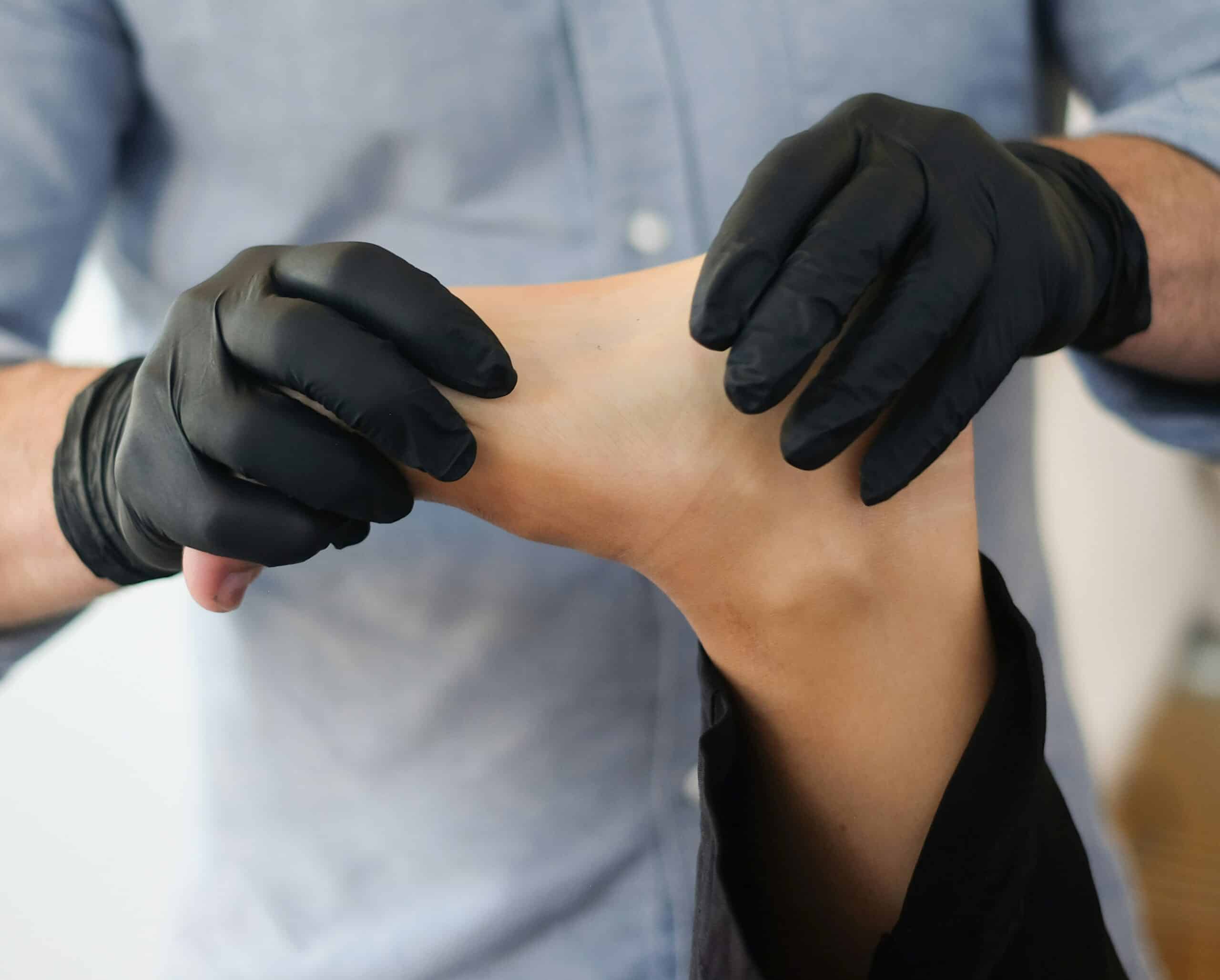
Integrating pelvic‑floor PT with excision surgery establishes a structured recovery pathway. Preoperative PT, nutrition counseling, and mental‑health preparation reduce anxiety and prime the body for surgery. After excision, graded rehabilitation—wound care, progressive movement, pelvic‑floor re‑education, nutrition guidance, and psychological support—restores function, lowers inflammation, and improves long‑term quality of life. For more detail, see our article How to Prepare Your Body for Endometriosis Surgery.
Preoperative Physical Therapy: Preparing The Pelvic Floor For Surgery
Preoperative work restores muscle coordination, teaches pain‑coping strategies, and reduces perioperative anxiety. Paired with anti‑inflammatory nutrition and mental‑health preparation, this work helps make surgery and recovery more manageable.
Postoperative Rehabilitation: Improving Healing And Mobility
Postoperative rehabilitation follows staged goals: wound care, progressive movement, pelvic‑floor re‑education, nutrition guidance, and mental‑health support. This holistic program reduces inflammation, clarifies recovery milestones, and helps patients return to meaningful activity with confidence. For more detail, see our article Endometriosis Recovery: The Role of Movement in Healing.
Benefits And Expected Outcomes Of Endometriosis‑Specific Physical Therapy

Endometriosis‑focused PT can produce meaningful pain reductions, improved pelvic strength and function, and better overall well‑being. Regular, gentle activity combined with manual therapy and psychological interventions lowers inflammation, supports hormonal balance, and reduces fatigue. For some patients, these gains also improve readiness for reproductive‑technology pathways such as IVF. For more detail, see our article How Endometriosis Physical Therapy Enhances Healing.
Pain Reduction And Improved Pelvic Function
Structured preoperative preparation and early postoperative PT reduce pain‑related guarding and improve coping. When PT is combined with dietary and psychological care, clinical experience shows improved quality of life and reduced perceived stress. Mindfulness, CBT, and graded activity help patients regain function over weeks to months.
Enhanced Quality Of Life And Emotional Well‑Being
CBT and mindfulness benefit mood, coping, and daily function for people with chronic pelvic pain. CBT reframes unhelpful thoughts and supports gradual activity resumption, while mindfulness lowers chronic stress and disrupts pain‑amplifying patterns. Together they reduce catastrophizing and strengthen emotional resilience.
For personalized care, the Endometriosis Center of Excellence offers integrated programs combining pelvic‑floor PT, nutrition, mental‑health support, and surgical planning. To explore tailored options, consider scheduling an appointment with Dr. Rachael Ann Haverland at the center.
Frequently Asked Questions
1. What Qualifications Should A Pelvic‑Floor Physical Therapist Have For Treating Endometriosis?
Choose a therapist with specialized pelvic‑health training and experience in chronic pelvic pain or endometriosis. Certifications or coursework from recognized bodies—such as the American Physical Therapy Association (APTA) or the International Pelvic Pain Society (IPPS)—are useful indicators. Experience coordinating with surgeons and mental‑health professionals adds value.
2. How Long Does It Typically Take To See Results From Pelvic‑Floor Physical Therapy?
Response varies by symptom severity and treatment plan. Some people feel improvement after a few sessions; others need several weeks to months of consistent therapy, especially when PT is combined with nutrition and mental‑health care.
3. Can Pelvic‑Floor Physical Therapy Help People Who Haven’t Had Surgery?
Yes. PT benefits many people regardless of surgical history—reducing pelvic pain, improving function, lowering anxiety, and preparing the body if surgery becomes necessary. Plans are individualized to address specific goals. See how endometriosis excision surgery is performed by our team.
4. Are There Risks Or Side Effects From Pelvic‑Floor Physical Therapy?
PT is generally safe. Some patients experience temporary soreness or increased sensitivity early in treatment. Open communication with the therapist ensures techniques are adapted to comfort levels, and a thorough assessment helps minimize risk.
5. How Can I Find A Pelvic‑Floor Physical Therapist Specializing In Endometriosis?
Ask your provider for referrals or search directories from organizations like the APTA or IPPS. Look for therapists who list pelvic‑health expertise and endometriosis experience, collaborate with multidisciplinary teams, and have positive patient feedback.
6. What Role Does Nutrition Play Alongside Pelvic‑Floor Physical Therapy?
Nutrition helps control inflammation and supports recovery. An anti‑inflammatory diet—rich in omega‑3s, antioxidants, and fiber—can reduce baseline pain and aid healing. Working with a nutritionist alongside PT creates a coordinated care plan.
7. Is Pelvic‑Floor Physical Therapy Covered By Insurance For Endometriosis?
Coverage varies. Many insurers recognize pelvic‑floor therapy as a treatment for chronic pelvic pain, but benefits, copays, and referral rules differ by plan. Check your policy; clinics may offer payment options if needed.
Conclusion
Pelvic‑floor physical therapy is a practical, evidence‑informed part of endometriosis care that reduces pain, restores function, and supports emotional well‑being. When combined with nutrition, psychological support, and coordinated surgical planning, PT helps people move toward lasting improvement and a better quality of life. Reach out to a qualified pelvic‑floor therapist or consider an appointment with the Endometriosis Center of Excellence for personalized care. For more detail, see our article How Physical Therapy Aids Endometriosis Recovery.