Menopause marks a permanent shift in ovarian hormone production and ushers in changes to bone density, cardiovascular risk, mood, sleep, and metabolism. Adopting focused healthy habits after menopause can improve long-term outcomes by targeting the drivers of bone loss, central weight gain, fragmented sleep, and chronic inflammation that may worsen pain and mood. If you have a history of endometriosis, symptoms can continue or interact with postmenopausal physiology, so combining lifestyle steps with appropriate clinical evaluation is important — and specialized, coordinated care is available at multidisciplinary centers. This article lays out practical guidance on nutrition, exercise, mental health, sleep and lifestyle changes, plus clear criteria for when to seek specialist care. You’ll find meal ideas, sample exercise plans, stress-reduction tools, sleep-hygiene checklists, and simple decision rules for referral — all grounded in current evidence and clinical reasoning. Read on for actionable approaches that support bone and heart health, lower systemic inflammation linked to pain, preserve pelvic-floor function, and help you feel better in daily life after menopause.
What Are the Most Effective Nutritional Strategies for Life After Menopause?

After menopause, aim for eating patterns and nutrients that reduce inflammation, protect bone, support heart health, and help manage weight. Mediterranean-style or other anti-inflammatory patterns lower circulating inflammatory markers and deliver fiber, omega-3 fats, and plant polyphenols that support metabolic and vascular health — effects that can also ease systemic contributors to pain. Practical steps include prioritizing whole foods, choosing fatty fish and nuts, selecting calcium- and vitamin D–rich options, and limiting ultra-processed foods and excess alcohol. These choices help preserve bone mineral and reduce atherogenic risk. The table below summarizes key nutrients, their roles after menopause, and food-focused recommendations to guide everyday choices.
Different nutrients work together; combine them within an overall, food-first pattern for best effect.
Combining calcium, vitamin D, omega-3s, and fiber within an anti-inflammatory pattern gives broad protection for bones, heart, and metabolic health after menopause. The next section explains how an anti-inflammatory diet lowers systemic inflammation and offers simple food swaps you can use right away.
How Does an Anti-Inflammatory Diet Support Postmenopausal Health?
An anti-inflammatory diet supplies antioxidants, omega-3s, and phytochemicals that modulate immune signaling and lower inflammatory cytokines. That helps protect the vascular lining, supports healthier lipid profiles, and may reduce inflammatory drivers that worsen chronic pelvic pain or residual endometriosis-related symptoms for some women. Core choices are colorful vegetables and fruits, whole grains, legumes, nuts, olive oil, and fatty fish, while minimizing refined carbs, processed meats, and trans fats. These swaps improve metabolic markers and often lessen symptom burden. Try this five-step checklist to make the approach practical: increase vegetables and legumes; switch refined grains for whole grains; choose fish or plant proteins several times weekly; use olive oil instead of butter; and limit sugary drinks and processed snacks. These actions support cardiovascular and bone health and help reduce inflammation that can affect pain and mood.
- Simple, actionable steps to introduce anti-inflammatory eating.
- Each swap targets mechanisms linked to postmenopausal health (oxidative stress, lipid metabolism, insulin resistance).
- Adopt changes gradually to improve adherence and measurable results.
Making these diet adjustments slowly raises the chance you’ll keep them long term and see reductions in inflammation and metabolic risk.
Which Essential Nutrients Promote Bone and Heart Health After Menopause?
Key nutrients to prioritize after menopause include calcium, vitamin D, magnesium, vitamin K, and long-chain omega-3s. Each supports bone remodeling, vascular function, or inflammatory balance through distinct pathways. Calcium forms bone mineral; vitamin D enables intestinal calcium absorption and influences immune balance; magnesium aids bone matrix formation and muscle function; vitamin K supports bone protein activation and vascular health; and omega-3s reduce proinflammatory signaling that contributes to atherosclerosis. The table below summarizes these nutrients, their main roles, and practical food or testing guidance.
Use this concise comparison to help set dietary priorities and speak with your clinician about supplements when appropriate.
Balancing these nutrients with a food-first approach and selective, clinician-guided supplementation helps cut fracture risk, support cardiovascular health, and may ease inflammation that relates to pain. With nutrition in place, the next section describes how physical activity complements these strategies to protect bone, heart, mood, and pelvic function.
How Can Physical Activity Enhance Well-Being After Menopause?

Regular physical activity preserves bone density, improves cardiovascular fitness, helps control weight, and supports mood through endorphin release and metabolic benefits. Weight-bearing and resistance exercises stimulate new bone formation through mechanical loading; aerobic work improves cardiorespiratory fitness and vascular health; and flexibility plus pelvic-floor training sustain mobility and lower fall risk. A balanced weekly plan that blends moderate aerobic activity, resistance training, weight-bearing impact, and pelvic-floor exercises produces complementary gains across musculoskeletal and mental-health areas. The table below compares exercise types, their main benefits, and safe frequency/intensity guidance for postmenopausal women.
Understanding these exercise modes helps you prioritize a safe, effective routine that matches your goals and any pelvic-health concerns.
Combining aerobic, resistance, impact, and pelvic-floor work protects bone and heart health while supporting mood and independence. The next subsection gives safe exercise examples for women with endometriosis or prior pelvic surgery.
What Safe Exercise Routines Benefit Women with Endometriosis Post-Menopause?
For women with a history of endometriosis, safe routines prioritize low- to moderate-impact cardio, carefully progressed resistance training, and flexibility work to preserve pelvic mobility without triggering pain. Low-impact aerobic options — brisk walking, cycling, elliptical, and water-based exercise — reduce joint and pelvic load while supporting cardiovascular health. Resistance training that emphasizes core control and gradual load progression supports bone density and muscular support. After surgery, start with supervised physical therapy if pain or scar tissue limits movement, progress volume slowly, and stop or modify any activity that reproduces severe pelvic pain. Referral to a pelvic-floor physical therapist is recommended when symptoms limit daily function. A sample week could include three 30-minute aerobic sessions, two 45-minute resistance workouts focused on large muscle groups, plus daily gentle pelvic-floor activation and stretching. These practices encourage safe, steady progress; the next section explains how exercise also helps mood and pelvic-floor strength.
- Low-impact cardio preserves joint and pelvic comfort while improving endurance.
- Controlled resistance training builds bone and function without excessive pelvic strain.
- Pelvic-floor physical therapy improves outcomes when pain or dysfunction persists.
Slow, guided progression under professional supervision optimizes benefit and minimizes risk for women with pelvic pain histories.
How Does Exercise Support Pelvic Floor Health and Mood Regulation?
Exercise improves pelvic-floor function by enhancing neuromuscular control, building muscle endurance, and reducing pain through better circulation and lower central sensitization. Pelvic-floor work paired with breath-aware techniques and functional strength training supports continence, sexual function, and core stability. Meanwhile, aerobic and resistance exercise lift mood via endorphin release, better sleep, and reductions in inflammatory mediators linked to depression and anxiety. Practical pelvic-floor training uses coordinated contraction/relaxation drills in different positions, integrates exercises into daily tasks, and pairs practice with diaphragmatic breathing to avoid harmful Valsalva patterns. Try brief sets several times a day, progress from isolated contractions to functional movements, and consult a pelvic-floor specialist if contractions are painful or uncoordinated. Strengthening the pelvic floor and improving mood through exercise naturally leads into psychological strategies for emotional well-being after menopause.
What Are Effective Mental and Emotional Well-Being Practices for Postmenopausal Women?

Many women experience shifts in mood, anxiety, and stress reactivity after menopause due to hormonal changes, sleep disruption, life transitions, and chronic pain. Addressing mental health is central to overall wellness. Evidence-based options include mindfulness-based stress reduction, cognitive behavioral therapy (CBT) for insomnia and mood disorders, structured exercise, and social-support interventions that reduce isolation. Pairing behavioral therapies with lifestyle habits — consistent sleep, regular activity, balanced nutrition, and social connection — creates a reinforcing loop that improves mood, lowers anxiety, and strengthens pain coping. The next subsection lists practical stress-reduction tools with brief instructions and suggested frequency to help you build them into daily life.
Which Stress Reduction Techniques Help Manage Menopause and Endometriosis Symptoms?
Several stress-reduction practices directly calm the autonomic stress response and reduce pain sensitivity, making them useful additions for managing menopause and endometriosis. Prioritize progressive muscle relaxation, paced diaphragmatic breathing, guided imagery, mindfulness meditation, and gentle restorative yoga — each supports parasympathetic recovery when practiced consistently. Below are five accessible practices, how to do them briefly, and recommended frequency for measurable benefit.
- Progressive muscle relaxation: 10–15 minutes daily to ease muscle tension and lower pain sensitivity.
- Paced diaphragmatic breathing: 5 minutes several times per day to slow heart rate and reduce flare-ups.
- Guided imagery: 10 minutes before bed to reduce anxiety and aid restorative sleep.
- Mindfulness meditation: 10–20 minutes daily to improve emotion regulation and cut rumination.
- Restorative or gentle yoga: 2–3 times weekly to combine breath-focused relaxation with gentle movement.
Regular practice lowers baseline stress, improves symptom tolerance, and often enhances sleep and mood within weeks. The next section explains natural approaches for anxiety and depression and when to seek higher-level care.
How Can Anxiety and Depression Be Addressed Naturally After Menopause?
Natural approaches combine lifestyle measures, structured psychotherapy, social supports, and targeted behavioral strategies to boost neurotransmitter balance and resilience. Regular aerobic and resistance exercise, consistent sleep routines, balanced nutrition, social connection, and relaxation practices work together to reduce depressive and anxious symptoms through biological (endorphins, BDNF) and behavioral pathways. When symptoms are moderate to severe, or when daily functioning remains impaired despite these measures, evidence-based psychotherapies such as CBT or acceptance and commitment therapy, or referral for medication evaluation, are appropriate next steps. Practical advice includes tracking symptoms, setting measurable behavior goals (exercise frequency, sleep consistency), and seeking professional help for suicidal thoughts, severe insomnia, or loss of basic functioning. Treating mood naturally often improves physical symptoms and sleep, which ties into the sleep and lifestyle strategies below.
How Can Sleep and Lifestyle Choices Improve Quality of Life After Menopause?
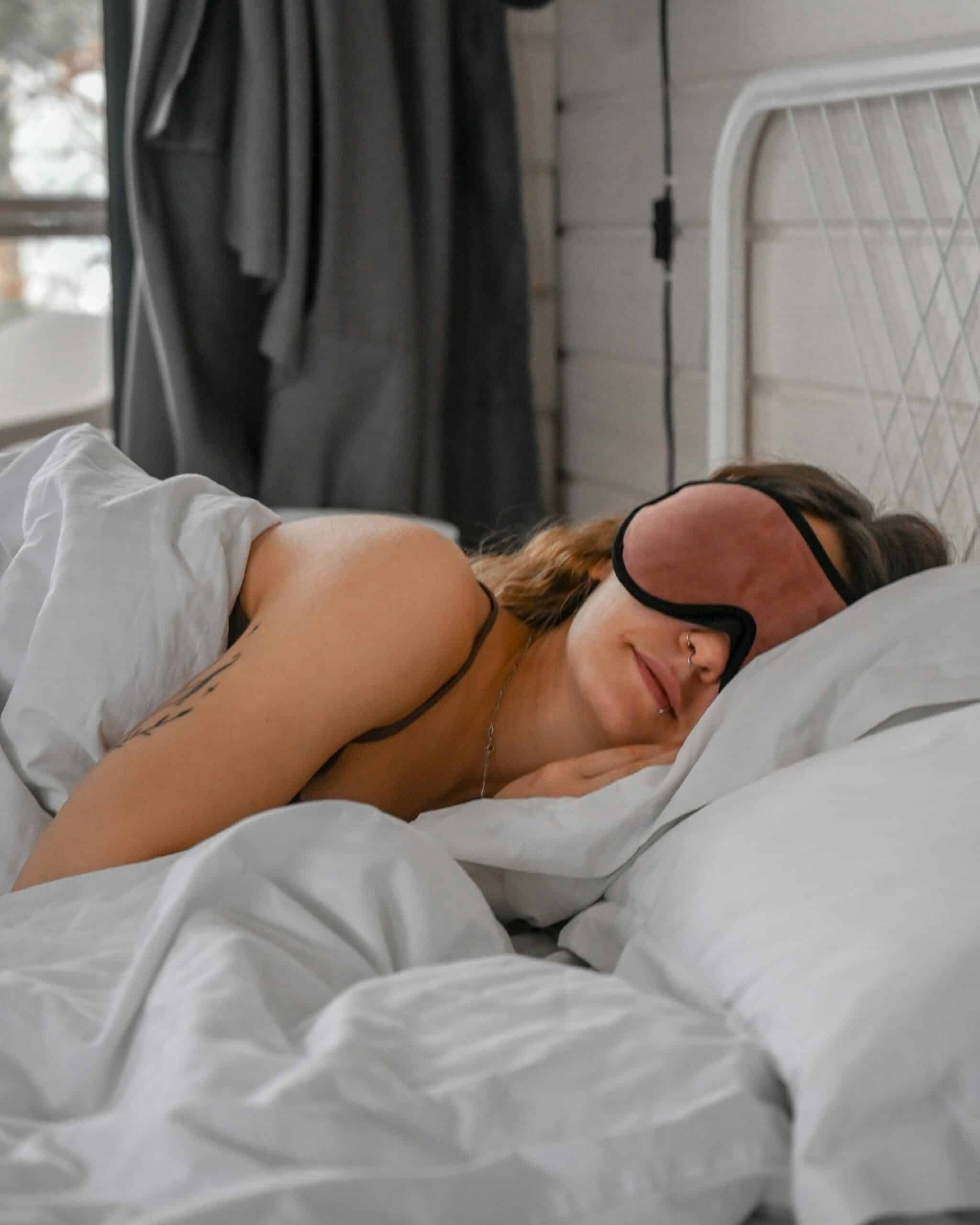
Sleep and lifestyle choices strongly influence hot flashes, mood, cognition, and long-term heart and bone health. Good sleep hygiene, CBT-I for insomnia, reducing stimulants and evening alcohol, and quitting smoking all improve sleep continuity and lessen night sweats and mood swings. Hormone replacement therapy (HRT) can reduce hot flashes and protect bone, but women with prior endometriosis need individualized risk–benefit assessment; a specialist consultation can clarify HRT options and alternatives. The subsection below offers a practical sleep checklist, timelines for behavior change, and guidance on when to consult a sleep specialist.
What Are Proven Methods to Improve Sleep Quality During Menopause?
Improving sleep after menopause combines behavioral steps that limit awakenings from hot flashes and insomnia with cognitive techniques to break rumination. A practical sleep-hygiene checklist includes keeping consistent sleep–wake times, optimizing bedroom temperature and bedding for cooling, avoiding heavy evening meals and alcohol, limiting caffeine after midday, building a calming wind-down routine, using cooling strategies for night sweats, cutting screen time before bed, and reserving the bed for sleep only. Cognitive behavioral therapy for insomnia (CBT-I) adds sleep restriction and cognitive reframing and typically shows meaningful improvement in 4–8 weeks of consistent practice. If daytime sleepiness continues or sleep-disordered breathing is suspected, refer to a sleep specialist for testing. Systematically applying this checklist improves sleep quality and downstream mood and function.
- Keep a consistent sleep–wake schedule to stabilize your circadian rhythm.
- Keep the bedroom cool and use breathable bedding to reduce nighttime awakenings from hot flashes.
- Avoid caffeine after midday and limit evening alcohol to prevent sleep fragmentation.
- Establish a calming pre-sleep routine and limit screens 30–60 minutes before bed.
- Use CBT-I techniques (stimulus control, sleep restriction) when insomnia persists despite good sleep habits.
Applying these steps reliably often improves sleep within weeks; combine behavioral strategies with clinical evaluation when needed for the best results.
How Do Alcohol, Smoking, and Hormone Replacement Therapy Affect Postmenopausal Health?
Alcohol and smoking worsen vasomotor symptoms, fragment sleep, and increase long-term cardiovascular and bone risks. HRT reduces hot flashes and can improve sleep and bone density, but its use requires individualized assessment — particularly for women with a history of endometriosis, where specialist input helps weigh benefits and potential risks. Smoking accelerates bone loss and fracture risk; alcohol can fragment sleep and interact with hormone metabolism. Quitting smoking and cutting back on alcohol improve sleep and overall risk profiles. The table below summarizes smoking cessation, alcohol reduction, and HRT: their effects and clinical considerations relevant to women with endometriosis backgrounds.
Reviewing these options side-by-side clarifies how lifestyle changes and HRT decisions fit into individualized risk management.
Quitting smoking and cutting alcohol bring broad health benefits, and HRT decisions should be made with specialist guidance when endometriosis is in the history. With lifestyle and sleep optimized, the final section explains when to seek specialist care and what coordinated treatment looks like.
When Should Women Seek Expert Care for Menopause and Endometriosis Management?

See a specialist when symptoms are persistent, worsening, or limiting daily function despite primary-care and lifestyle measures, or when new gastrointestinal, urinary, or severe pelvic pain symptoms appear after menopause. Red flags include uncontrolled pelvic or referred pain, marked bowel or bladder dysfunction, concern for persistent or recurrent endometriosis, severe mood disorders or suicidal thoughts, and fractures or rapid bone loss — all of which warrant timely specialist referral for diagnostic workup and multidisciplinary planning. A coordinated evaluation usually involves a thorough symptom review, targeted imaging or tests as indicated, and input from surgical, medical, pelvic-floor physical therapy, nutrition, and mental-health specialists to create a personalized plan that balances symptom control with long-term health. For people with complex pain or functional issues, referral to a multidisciplinary center often speeds diagnosis and access to combined treatments that address biological, functional, and psychosocial contributors to symptoms.
- Urgent signs: uncontrolled pain, new severe bowel or urinary symptoms, or sudden functional decline.
- Important but elective triggers: ongoing sleep disruption, refractory mood symptoms, or progressive bone loss despite intervention.
- Next steps: symptom triage, targeted testing, and coordinated care planning with specialists.
When symptoms meet these criteria, a clear referral pathway helps get the right evaluation and personalized management faster.
What Signs Indicate the Need for Specialized Medical Support?
Concrete reasons to seek specialist assessment include pelvic pain that persists and limits daily activities despite conservative care, new or worsening bowel/bladder symptoms suggesting pelvic organ involvement, unexplained weight loss or anemia, a recurrent pelvic mass on exam or imaging, and severe psychological distress related to chronic symptoms. Urgent referral is appropriate for acute severe pain with systemic signs or sudden new bowel/urinary dysfunction; timely but non-urgent referral is appropriate for persistent pain or progressive functional decline that affects quality of life. Document symptom patterns, prior treatments, and responses to conservative care to help specialists triage and tailor the multidisciplinary plan. Early specialist involvement can reduce diagnostic delay and coordinate surgical, medical, rehabilitative, and psychological care when needed.
Recognizing these signs early helps secure timely diagnostics and a team-based plan that addresses the root contributors to persistent symptoms.
How Does Endo Excellence Center’s Multidisciplinary Approach Support Postmenopausal Women?
Endo Excellence Center offers a coordinated, multidisciplinary model that brings together surgical expertise in excision when indicated, medical management, pelvic-floor physical therapy, nutrition counseling, and mental-health support to address postmenopausal and endometriosis-related concerns comprehensively. Led by board-certified specialists such as Dr. Rachael Haverland, our team provides personalized evaluation that considers pelvic pain, bowel and bladder health, fertility concerns when relevant, and emotional well-being — resulting in a treatment plan tailored to each person’s goals and medical context. Patients can expect a structured assessment, collaborative team review, and coordinated referrals to allied services focused on restoring function and improving quality of life. Scheduling a consultation starts this individualized process and clarifies options such as targeted medical therapy, rehabilitative programs, or surgical evaluation. For those weighing specialist care, an initial multidisciplinary visit helps align treatment choices with personal priorities and clinical realities.
This overview shows how coordinated specialty care complements lifestyle and self-management strategies to optimize long-term outcomes for postmenopausal people with complex pelvic-health histories.
Frequently Asked Questions
What lifestyle changes can help manage menopausal symptoms effectively?
Regular physical activity, a diet focused on anti-inflammatory whole foods, and daily stress-reduction practices can meaningfully ease menopausal symptoms. Moderate aerobic exercise like walking or swimming supports mood and heart health. Mindfulness, yoga, or other relaxation practices reduce stress and improve emotional resilience. Prioritizing sleep hygiene and keeping a consistent sleep schedule are also essential. Taken together, these habits improve overall health and everyday well-being during and after menopause.
How can I ensure I am getting enough calcium and vitamin D after menopause?
Focus on food sources first: calcium-rich choices include dairy, fortified plant milks, tofu, and leafy greens; vitamin D comes from fatty fish, fortified foods, and safe sun exposure. Have your vitamin D level checked when indicated and discuss supplementation with your clinician if levels are low or dietary intake is inadequate. Regular monitoring and clinician guidance help protect bone health and reduce osteoporosis risk.
What role does hydration play in postmenopausal health?
Staying hydrated supports overall function, can ease dryness and fatigue, and helps digestion and skin health. Adequate fluids may also help reduce the frequency or intensity of some hot flashes. Aim for a baseline of roughly 8 cups a day and adjust for activity level, climate, and medications. Eating water-rich fruits and vegetables also contributes to daily fluid needs.
Are there specific exercises that can help with pelvic floor health after menopause?
Yes. Pelvic-floor exercises (often called Kegels) strengthen the pelvic muscles and can improve bladder control and sexual function. Gentle yoga and targeted stretching can support flexibility and pelvic alignment. Practice pelvic-floor exercises regularly — ideally daily — and consult a pelvic-floor therapist if you have pain, difficulty isolating muscles, or persistent symptoms. A tailored plan is often the most effective.
How can I manage weight gain after menopause?
Managing weight involves steady dietary adjustments plus regular activity. Emphasize whole foods — vegetables, fruits, lean proteins, healthy fats — and limit processed foods and added sugars. Combine aerobic exercise with resistance training to preserve muscle mass and support metabolism. Monitor portion sizes and consider working with a nutritionist for individualized strategies.
What are the benefits of social support for postmenopausal women?
Social connection reduces isolation, eases anxiety, and helps with coping during transitions. Sharing experiences and practical strategies builds emotional resilience and motivation to keep healthy habits. Group activities — exercise classes, support groups, or social meetups — foster community, increase accountability, and improve overall quality of life.
Conclusion
Adopting targeted healthy habits after menopause makes a meaningful difference — improving bone density, supporting cardiovascular health, and stabilizing mood. Combining balanced nutrition, regular physical activity, and mental-health practices helps manage symptoms and enhances daily quality of life. Start with small, sustainable changes and seek tailored resources and expert guidance when needed. Taking proactive steps now sets the stage for better long-term health and well-being after menopause.