

Postmenopausal endometriosis describes endometrial‑like tissue that remains active or becomes symptomatic after menopause, causing pelvic pain, organ‑specific problems, or unexpected bleeding. This guide explains why disease can persist despite ovarian decline, outlines affordable, evidence‑based treatment pathways, and offers practical steps to find care without unnecessary cost. You’ll learn to spot common postmenopausal symptoms, follow the diagnostic path from targeted imaging to diagnostic laparoscopy, and compare surgical and non‑hormonal options that emphasize safety and long‑term value. We also cover how hormone replacement therapy (HRT) interacts with residual disease—what lowers reactivation risk and what monitoring should look like. Finally, we share pragmatic affordability strategies and a short profile of the Endo Excellence Center and Dr. Rachael Ann Haverland so you can identify specialized, cost‑sensible next steps.
What Are the Common Symptoms and Diagnosis Methods for Postmenopausal Endometriosis?

Postmenopausal endometriosis usually appears when residual disease or local estrogen production keeps lesions active even after ovarian function declines. Lesions can express aromatase and make small amounts of estrogen locally, fueling inflammation, scarring, and organ involvement. Clinically, patients may have persistent pelvic pain, painful intercourse, bladder or bowel symptoms, and in some cases postmenopausal bleeding—findings that prompt focused evaluation and targeted imaging. Recognizing these patterns helps clinicians choose the right tests and determine whether surgical diagnosis is necessary.
Pelvic pain after menopause often differs from the cyclical pain many people remember: it is more constant and may be linked to specific organ symptoms rather than monthly changes. That pattern should raise suspicion for bowel or bladder involvement and guide imaging choices that clarify the diagnostic pathway and potential need for surgery.
Which Symptoms Indicate Endometriosis After Menopause?
The most common presentation is chronic pelvic pain that is steady rather than cyclic and may worsen with activity or bowel movements. Other frequent complaints are dyspareunia, constipation or painful bowel movements, and urinary symptoms such as frequency or pelvic pain. New postmenopausal vaginal bleeding or systemic signs like unexplained weight loss or ongoing fatigue are red flags and require prompt evaluation to rule out malignancy. Early recognition and timely referral shorten diagnostic delay and improve chances for targeted, effective treatment.
These symptom patterns guide clinicians toward appropriate imaging and determine when specialist referral or surgical evaluation is warranted.
How Is Postmenopausal Endometriosis Diagnosed?
Diagnosis begins with a careful clinical history that links symptoms to likely organ involvement and prior endometriosis. Transvaginal ultrasound is the usual first‑line imaging study; pelvic MRI is a helpful second‑line test to map deep infiltrating disease and adnexal masses. Neither imaging test is perfectly sensitive, so diagnostic laparoscopy with biopsy remains the gold standard for definitive diagnosis and histologic confirmation—especially when imaging is unclear or cancer must be excluded. Multidisciplinary preoperative planning with gynecology, radiology, and, when needed, colorectal or urology colleagues improves surgical planning and lowers perioperative risk.
Which diagnostic step is right depends on your symptoms, prior history, and imaging findings; those factors then shape whether medical management or operative planning is the next step.
What Are the Affordable Surgical Options for Endometriosis Management After Menopause?
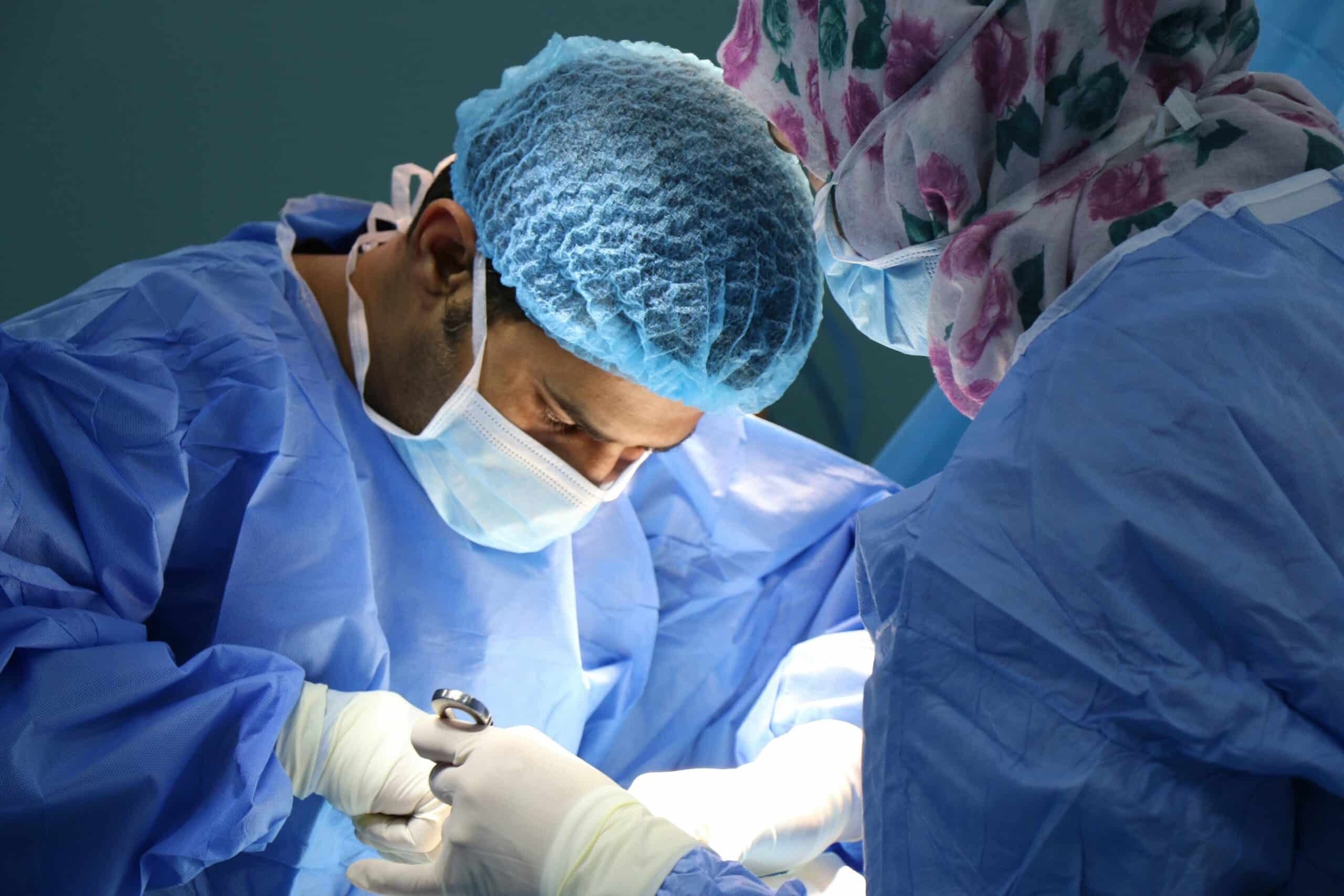
After menopause, surgical care focuses on removing active disease, addressing organ involvement, and excluding or treating malignancy when present. Options range from targeted laparoscopic excision of implants to hysterectomy with or without oophorectomy for more extensive disease or cancer risk. Complete excision of lesions generally provides more durable symptom relief and lower recurrence than superficial ablation, particularly for deep or organ‑involving disease. Costs depend on procedure complexity, facility type, and need for multidisciplinary teams; choosing experienced surgeons and well‑coordinated centers often reduces reoperation and downstream expenses. For many patients, prioritizing excision by an experienced surgeon delivers the best balance of long‑term symptom control and value.
Before committing to surgery, simple cost‑saving steps—verifying insurance coverage, asking about bundled pricing, and coordinating multidisciplinary consultations—can limit unexpected bills and improve outcomes.
Below is a concise comparison of common surgical approaches organized by indication, typical cost range, recovery time, and primary benefit or risk to support decision‑making.
Surgical option comparison table intent: summarize indications, typical costs, recovery, and trade‑offs to aid decision‑making.
*Costs vary by facility, anesthesia, and region; use this table for comparative planning.
This comparison highlights why excision is often recommended and how clinical priorities intersect with cost considerations.
Why Is Excision Surgery Considered the Gold Standard for Postmenopausal Endometriosis?
Excision is preferred because it removes implants and surrounding scar tissue, reducing local estrogen production and inflammatory drivers that maintain symptoms. Evidence shows excision improves long‑term pain control, lowers the need for repeat surgery, and provides tissue for pathology when cancer is a concern in older patients. As with any surgery, risks include bleeding and infection, but outcomes for deep infiltrating disease and organ involvement are generally better after excision than ablation. Choosing an experienced excision surgeon and a multidisciplinary operating team for complex cases helps optimize safety and minimize complications.
Understanding the evidence for excision naturally leads to practical questions about accessing high‑quality, cost‑sensible surgical care.
How Can Patients Access Cost‑Effective Endometriosis Surgery After Menopause?
Start by confirming insurance coverage for the specific surgical codes and obtaining preauthorization to avoid surprise bills. Prepare a concise medical summary and imaging to document medical necessity, ask prospective surgeons about their excision experience and complication rates, and compare facility pricing or bundled surgical packages when available. Financial assistance options include hospital charity programs, payment plans, and care at regional centers of excellence that concentrate expertise and reduce repeat procedures. Choosing an experienced team lowers the chance of reoperation—a key long‑term cost saver.
Careful preparation and informed surgeon selection create safer operations and more predictable financial outcomes for patients seeking definitive care.
Which Non‑Hormonal Treatments Are Effective and Affordable for Postmenopausal Endometriosis?

Non‑hormonal strategies focus on pain control, reducing inflammation, and improving pelvic function without estrogen exposure. These include over‑the‑counter analgesics, selective prescription agents such as aromatase inhibitors in carefully selected cases, and non‑pharmacologic therapies like pelvic floor physical therapy. These approaches are often less expensive than surgery and are appropriate as interim measures or when HRT is not an option. NSAIDs help with symptomatic relief, pelvic physical therapy addresses muscular contributors to pain, and aromatase inhibitors may suppress local estrogen production under specialist supervision. Combining low‑cost lifestyle and dietary changes with targeted treatments creates a pragmatic, affordable plan for many patients.
A short comparison below summarizes common non‑hormonal therapies, their mechanism, typical cost, evidence level, and expected time to benefit to help prioritize options.
Intro to non‑hormonal therapy table: compare common treatments so patients can choose accessible, evidence‑based options.
This table clarifies trade‑offs and helps prioritize affordable, evidence‑based therapies.
What Non‑Hormonal Therapies Help Manage Endometriosis Pain After Menopause?
Effective non‑hormonal options include OTC NSAIDs and simple analgesics for prostaglandin‑related pain, pelvic floor physical therapy for myofascial contributors (often covered by insurance), and selectively used aromatase inhibitors to suppress lesion estrogen in postmenopausal patients under specialist care. Evidence strength varies—NSAIDs provide consistent symptom relief, pelvic PT offers functional improvement, and aromatase inhibitors require monitoring for bone and metabolic effects. A multimodal plan—analgesics, structured PT, and lifestyle measures—typically works better than a single approach.
These choices naturally lead to complementary lifestyle and dietary measures that reduce reliance on higher‑cost interventions.
How Do Lifestyle and Dietary Changes Support Affordable Endometriosis Management?
Small, sustainable lifestyle changes can lower inflammation and improve pain coping at little cost. Aim for an anti‑inflammatory eating pattern with whole plant foods and omega‑3 sources, regular low‑impact exercise, good sleep habits, and stress‑reduction practices. Practical steps include prioritizing fruits, vegetables, whole grains, and fatty fish while limiting processed foods and excess alcohol. Gentle aerobic activity and pelvic‑strengthening routines improve circulation and pelvic floor function. Behavioral strategies—paced activity, sleep hygiene, and cognitive approaches to pain—support symptom control and reduce dependence on expensive treatments.
Pairing these lifestyle measures with targeted non‑hormonal therapies creates a cost‑effective, sustainable plan for many postmenopausal patients.
How Do Hormonal Therapies and HRT Impact Endometriosis Management After Menopause?
HRT can be appropriate for some women with prior endometriosis when individualized, but unopposed systemic estrogen increases the risk of reactivating residual lesions. Systemic estrogen can stimulate remaining endometrial‑like tissue or amplify local aromatase activity, which may trigger recurrent pain or lesion growth. Safer approaches typically favor combined estrogen‑progestogen regimens or adding progestogens to limit lesion stimulation. Decisions should be individualized based on symptom burden, past disease severity, and cancer risk, with careful follow‑up for new pain or bleeding.
Is Hormone Replacement Therapy Safe for Women with Postmenopausal Endometriosis?
Short answer: many women with a history of endometriosis can use HRT safely when the regimen avoids unopposed estrogen and includes close monitoring. Avoid unopposed systemic estrogen when residual disease or ovarian tissue is present, consider combined estrogen‑progestogen therapy to reduce lesion reactivation, and obtain baseline imaging or surgical assessment when new symptoms arise. Monitoring should focus on symptom changes and prompt re‑evaluation for pelvic pain, bleeding, or masses. Individual risk assessment and specialist input improve safety and align HRT with endometriosis management goals.
This risk‑stratified approach sets the stage for choosing which HRT regimens are preferable when menopausal symptom relief is necessary.
What Are Safer HRT Regimens for Managing Menopausal Symptoms with Endometriosis?
Regimens that combine estrogen with progestogen or use cyclic progestogen cover generally reduce the risk of stimulating residual lesions compared with unopposed estrogen. Non‑estrogen alternatives—such as SSRIs or SNRIs for hot flashes and local vaginal therapies for genitourinary symptoms—are reasonable when estrogen risk is high. If estrogen is required, use the lowest effective dose, arrange close follow‑up, and promptly reassess any new pelvic symptoms. Specialist involvement helps individualize regimen choice and monitoring plans.
What Strategies Can Help Make Endometriosis Care More Affordable After Menopause?

Improving affordability centers on smart insurance navigation, prioritizing cost‑effective therapies first, and using home‑based supportive care to limit out‑of‑pocket spending while preserving outcomes. Key actions include verifying coverage for surgery and imaging, requesting prior authorization, asking about bundled pricing, and exploring hospital financial aid or payment plans. Starting with low‑cost, evidence‑based options like NSAIDs, pelvic physical therapy, and lifestyle changes can reduce immediate costs while you plan definitive care if needed. Coordinated multidisciplinary care reduces redundant testing and reoperation—big drivers of long‑term expense.
- Verify Coverage: Confirm benefits for surgery, imaging, PT, and medications before scheduling.
- Request Prior Authorization: Obtain preauthorization for planned procedures to avoid denials.
- Compare Facility Costs: Ask about bundled pricing or outpatient options to reduce facility fees.
- Explore Financial Aid: Ask hospitals about charity care, grants, or payment plans.
- Prioritize Low‑Cost Therapies: Start with NSAIDs, PT, and lifestyle measures where appropriate.
Following these steps builds a roadmap that reduces surprise expenses and focuses resources on high‑value care.
Intro to the cost‑reduction strategies table: quick references for where to find financial help and typical savings from common steps.
Use this table to prioritize the actions that most often yield significant financial relief.
How Can Patients Navigate Insurance and Financial Assistance for Endometriosis Treatment?
Begin by calling your insurer for specific coverage details on surgical codes, imaging, and treatments, and keep notes of every conversation for appeals if needed. Use preauthorization to secure approval for planned procedures and submit clear clinical documentation to show medical necessity. If coverage is limited, contact hospital financial services to discuss charity care, sliding‑scale fees, or payment plans; also explore nonprofit grants and local advocacy organizations for extra support. Careful documentation and proactive negotiation often reduce delays and out‑of‑pocket costs, making definitive care more accessible.
These steps prepare patients to pursue both conservative, low‑cost care and, when indicated, affordable definitive surgical options.
What Cost‑Effective Home Remedies and Supportive Therapies Are Available?
Simple, low‑cost measures—heat application, OTC NSAIDs, paced activity, and structured gentle exercise—can provide meaningful relief for many people. Community resources such as group pain‑coping programs, online pelvic health exercise guides, and peer support groups add affordable psychosocial support. Important safety notes: do not delay medical evaluation for red‑flag signs like new postmenopausal bleeding or rapidly worsening pain. Early incorporation of these measures can lessen clinic visits and medication needs while improving daily function and quality of life.
Why Choose Endo Excellence Center and Dr. Rachael Ann Haverland for Postmenopausal Endometriosis Care?
Endo Excellence Center specializes in individualized, evidence‑based care centered on gold‑standard excision surgery within a multidisciplinary model. Our coordinated approach—evaluation, imaging, surgical expertise, and structured postoperative rehabilitation including pelvic physical therapy and pain management—aims to improve outcomes while limiting repeat procedures and unnecessary testing. Led by Dr. Rachael Ann Haverland, a board‑certified surgeon with Mayo Clinic training, the center emphasizes technical precision and team‑based follow‑up to deliver high‑value care for complex postmenopausal endometriosis. If you need specialized assessment and a pathway that balances effectiveness and affordability, a consult with our team can clarify options and next steps.
This clinic profile shows how coordinated, specialist care supports better decisions and more predictable long‑term costs for complex cases.
What Expertise Does Dr. Rachael Ann Haverland Bring to Endometriosis Management?
Dr. Rachael Ann Haverland is board‑certified and trained at the Mayo Clinic, with focused expertise in excision surgery and multidisciplinary coordination for complex endometriosis. Her training supports careful lesion mapping, operative planning, and intraoperative judgment that reduce reoperation risk and improve postoperative quality of life. She works closely with pelvic floor therapists, pain specialists, and nutrition resources to offer comprehensive, value‑focused care. Patients with persistent or complex postmenopausal endometriosis benefit from this combination of surgical skill and team‑based follow‑up.
That credentialed leadership underpins our model of pairing high‑quality surgery with coordinated rehabilitation to improve outcomes.
How Does the Multidisciplinary Care Model Enhance Affordable Treatment Outcomes?
A multidisciplinary model reduces duplicated testing and delays by aligning surgeon, radiologist, pelvic PT, and pain management input early in the care pathway. Coordinated preoperative planning ensures appropriate imaging, a targeted surgical strategy, and a streamlined rehabilitation plan—steps that shorten recovery and lower downstream costs. By prioritizing evidence‑based, staged interventions and conservative therapies when appropriate, the team optimizes resource use and clinical results. Over time, this coordinated approach makes high‑quality excision and follow‑up more cost‑effective by preventing recurrence and minimizing fragmented care.
Choosing coordinated, specialist‑led care helps patients achieve durable symptom control while managing long‑term expenses more predictably.
Frequently Asked Questions
What lifestyle changes can help manage postmenopausal endometriosis symptoms?
Simple lifestyle changes can meaningfully reduce symptoms. Aim for an anti‑inflammatory diet rich in whole fruits and vegetables, healthy fats, and omega‑3 sources while cutting back on processed foods and excess sugar. Regular low‑impact exercise—walking, swimming, or gentle yoga—supports circulation and mobility. Stress‑management practices like mindfulness or breathwork help with pain coping. These habits support symptom control and overall health with minimal cost.
Are there any specific dietary recommendations for women with postmenopausal endometriosis?
An anti‑inflammatory eating pattern can be helpful: plenty of fruits, vegetables, whole grains, legumes, and healthy fats from fish, nuts, and seeds. Omega‑3 sources such as salmon and flaxseed are particularly beneficial. Limiting red meat, highly processed foods, and excessive dairy may reduce inflammation for some people. Staying hydrated and maintaining balanced meals supports general health and symptom management.
What role does physical therapy play in managing endometriosis after menopause?
Pelvic floor physical therapy is an effective, non‑invasive option for many patients. Therapists address pelvic muscle tension, teach relaxation and strengthening techniques, and provide education on body mechanics. Many patients report reduced pain and better function; insurance often covers part or all of these services, making them a cost‑effective component of care.
How can patients ensure they receive the best care for postmenopausal endometriosis?
Seek clinicians experienced in postmenopausal endometriosis and prepare for visits with a clear symptom history, prior treatments, and imaging results. Ask specific questions about treatment options (surgical and non‑surgical), surgeon experience with excision, and the role of a multidisciplinary team. A coordinated approach that includes gynecology, pain management, and pelvic PT usually leads to better outcomes.
What are the potential risks of hormone replacement therapy (HRT) for women with a history of endometriosis?
HRT can increase the risk of reactivating residual endometriotic tissue—particularly when unopposed estrogen is used. To lower that risk, combined estrogen‑progestogen regimens or adding progestogen coverage are commonly recommended. Careful monitoring and individualized planning with a specialist reduce the risk of symptom recurrence or lesion growth.
What financial assistance options are available for managing endometriosis treatment costs?
Many hospitals offer charity care, sliding‑scale fees, or payment plans; ask the billing office about eligibility. Bundled surgical pricing can lower facility costs, and some nonprofit groups provide grants or patient assistance. Verify insurance coverage and secure prior authorization when possible to avoid unexpected bills. Combining these approaches often reduces financial barriers to care.
Conclusion
Effective management of postmenopausal endometriosis is possible with a mix of affordable surgical and non‑surgical options tailored to each person. Understanding symptoms, the diagnostic pathway, and treatment trade‑offs helps you make informed decisions that balance health and cost. Engaging with specialized, multidisciplinary care—such as the services offered at Endo Excellence Center—can improve outcomes and reduce long‑term expenses. When you’re ready, explore our resources or schedule a consultation to discuss a personalized, value‑focused plan.