

Postmenopausal endometriosis occurs when endometrial-like tissue persists or becomes symptomatic after the final menstrual period, and it can cause pelvic pain, mass effects, or organ-specific problems. This review outlines how clinicians evaluate suspected postmenopausal endometriosis, summarizes surgical and medical options including newer targeted therapies, and describes non-hormonal and supportive strategies patients commonly use to manage symptoms. You’ll learn practical differences between excision and ablation, how choices around hormone replacement therapy (HRT) may affect residual disease, and when aromatase inhibitors or progestogens are considered. We also highlight diagnostic red flags, monitoring for malignant change, and clear referral pathways for multidisciplinary care. The sections below cover typical symptoms and diagnostic steps, surgical options, hormonal management, and non-hormonal supportive care for postmenopausal pelvic pain related to endometriosis.
What Are the Common Symptoms and Diagnosis Methods for Postmenopausal Endometriosis?

Postmenopausal endometriosis most often presents with persistent pelvic pain, a pelvic mass, or new bowel or bladder symptoms and may reflect either residual lesions or recurring endometriosis pain management challenges driven by peripheral estrogen production.. Recognizing these patterns matters because presentations can differ from premenopausal disease, and the diagnostic approach usually prioritizes targeted imaging followed by tissue diagnosis when indicated. Early recognition shortens delays, helps tailor a plan that balances surgery, hormonal treatment, and non-hormonal care, and clarifies when to refer for specialist evaluation and possible laparoscopy with biopsy.
What Symptoms Indicate Endometriosis After Menopause?
Postmenopausal endometriosis often produces pain and organ-specific complaints that mirror lesion location and local inflammation. Pain tends to be constant rather than cyclical. Deep infiltrating disease commonly causes bowel or bladder urgency, constipation, or painful defecation. New or worsening pelvic pain, a growing adnexal mass, unexplained rectal bleeding, or systemic signs such as fatigue should prompt evaluation for recurrent endometriosis or alternative diagnoses, including neoplasm. Being aware of these patterns helps separate endometriosis from pelvic floor and gastrointestinal conditions.
- Persistent, non-cyclical pelvic pain that interferes with daily activities.
- Bowel complaints — constipation, tenesmus, or rectal bleeding.
- Bladder symptoms such as urgency or pain with urination when bladder lesions are present.
- Pain during intercourse (dyspareunia) or a palpable pelvic mass.
Because these symptoms overlap with other pelvic disorders, a careful history focused on prior endometriosis, past surgeries, and symptom evolution is essential to guide testing and referrals.
How Is Postmenopausal Endometriosis Diagnosed?
Diagnosis follows a stepwise approach: thorough history and physical exam, targeted imaging, and—when indicated—diagnostic laparoscopy with histologic confirmation. Pelvic ultrasound is the first-line study for adnexal masses and endometriomas; MRI offers superior soft-tissue detail for deep infiltrating disease and surgical planning. Laparoscopy with biopsy remains the gold standard for a definitive diagnosis and allows simultaneous treatment when appropriate. Differential diagnoses should include gynecologic malignancy, pelvic floor dysfunction, and bowel disease, so new or progressive postmenopausal symptoms warrant prompt specialist evaluation.
What Surgical Treatments Are Available for Endometriosis After Menopause?
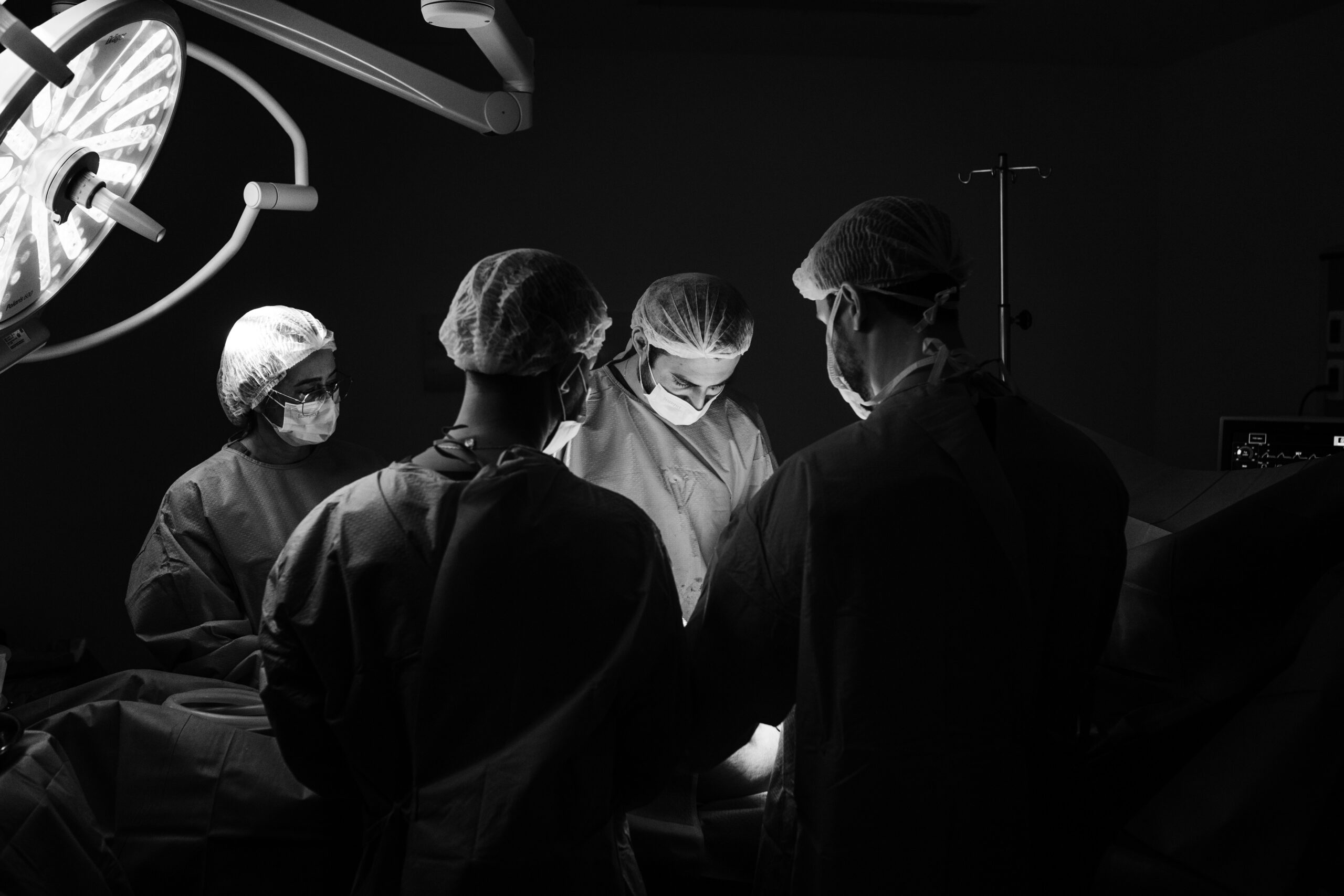
The surgical goal is to remove disease burden, relieve symptoms, and address complications such as obstruction or concern for malignant change. Options range from focused lesion excision to hysterectomy with or without oophorectomy, depending on disease extent. Whenever feasible, minimally invasive laparoscopy is preferred because it shortens recovery and permits precise excision of deep infiltrating lesions. Surgical planning accounts for lesion location (ovarian, peritoneal, deep infiltrating), prior operations, comorbidities, and cancer risk. Complete excision by experienced teams often yields the best pain outcomes and may reduce recurrence.
- Excision of focal or deep infiltrating lesions to remove disease at the source.
- Hysterectomy, sometimes with oophorectomy, for extensive uterine or ovarian involvement or when malignancy is suspected.
- Minimally invasive approaches (laparoscopic or robot-assisted) to shorten recovery and improve visualization.
After surgery patients can expect symptom improvement over time, a recovery period that varies with procedure complexity, and ongoing surveillance for recurrence. Shared decision-making helps match surgical extent to patient goals and acceptable risk.
Surgical options — at a glance:
This comparison clarifies common indications and trade-offs among surgical choices and supports referrals to experienced surgical teams for complex cases.
Evidence from high-volume centers shows that multidisciplinary teams with excision expertise often achieve better long-term outcomes. At the Endo Excellence Center, Dr. Rachael Haverland and our team prioritize personalized, multidisciplinary care and advanced excision techniques many specialists consider the standard of care. Patients referred for complex excision benefit from coordinated planning that balances disease control with preservation of function.
Why Is Excision Surgery Considered the Gold Standard for Postmenopausal Endometriosis?
Excision removes disease tissue rather than just treating the surface, reducing residual implants and the inflammatory drivers of pain. When complete excision is possible, it is associated with improved pain outcomes and lower recurrence rates—especially for deep infiltrating disease that can affect bowel, bladder, or ureters. Surgeon experience and multidisciplinary intraoperative planning are critical to achieve clear margins while minimizing organ injury. Patients should expect frank discussions about realistic symptom relief and recovery timeframes; selecting an excision-focused specialist increases the likelihood of durable benefit.
When Are Hysterectomy and Oophorectomy Recommended for Older Women?
Hysterectomy, with or without oophorectomy, is considered for extensive disease, when conservative surgery cannot control symptoms, or when an adnexal lesion raises concern for malignancy. In postmenopausal women, removing ovaries is not always required, but oophorectomy is reasonable when ovarian endometriomas are large, suspicious, or recurrent. These operations carry implications for hormone management and long-term bone and cardiovascular health, so decisions should be individualized and include coordinated planning for any necessary hormone therapy.
How Do Hormonal Therapies Manage Endometriosis Symptoms After Menopause?

Hormonal therapies change estrogenic stimulation of residual lesions. Options range from carefully selected HRT regimens to progestogens or aromatase inhibitors that reduce peripheral estrogen synthesis. Because estrogen can stimulate endometrial-like implants, clinicians must balance the benefits of HRT for menopausal symptoms against the potential for lesion reactivation. Progestogens oppose estrogen’s effect on lesions, and aromatase inhibitors limit local estrogen production—both may benefit selected postmenopausal patients, particularly when surgery is not an option. Individualized selection and close monitoring are essential to reduce risks and optimize quality of life.
- Combined HRT (estrogen plus progestogen) is often chosen when uterine tissue or residual disease exists to counter proliferative effects.
- Estrogen-only HRT may carry a higher theoretical risk of stimulating residual lesions if disease is present.
- Aromatase inhibitors reduce peripheral estrogen synthesis and can be useful when lesions are estrogen-responsive and surgery is limited.
When starting any hormonal regimen, careful clinical monitoring and imaging surveillance are recommended; decisions are best made in partnership with specialists experienced in endometriosis care for older women.
Hormonal options — key differences:
Choosing the right hormonal approach requires a team that accounts for prior disease, surgical history, and individual cancer risk. Patients with troublesome menopausal symptoms should be offered multidisciplinary evaluation and a clear monitoring plan; the Endo Excellence Center supports individualized HRT planning and specialist-led follow-up when appropriate. We cover this further in Understanding Endometriosis Symptoms in Menopause – A Guide.
What Are the Risks and Benefits of Hormone Replacement Therapy for Endometriosis?
HRT can meaningfully improve vasomotor symptoms and overall quality of life, but it may also stimulate residual endometriotic tissue depending on the regimen and the patient’s disease history. When uterine tissue or residual disease exists, combined HRT with progestogen is commonly preferred because progestogen counters estrogen-driven proliferation. Benefits include better sleep, mood, and bone health; risks include potential lesion reactivation and the need for periodic imaging or clinical surveillance. Shared decision-making that includes prior histology, risk factors, and patient preferences helps identify the safest effective regimen. We cover this further in Endometriosis After Menopause: What You Need to Know.
How Do Progestogens and Aromatase Inhibitors Help Postmenopausal Endometriosis?
Progestogens promote decidualization and atrophy of endometrial-like tissue, reducing lesion activity and pain in many patients; they can be given systemically or via local delivery depending on need. Aromatase inhibitors decrease local estrogen synthesis in peripheral tissues and may shrink or stabilize disease when peripheral estrogen production drives lesions—particularly in women without ovarian function. Both drug classes have side-effect profiles: progestogens can cause mood changes and bleeding, while aromatase inhibitors increase bone loss risk. When used, these medications require monitoring and often bone-protective strategies.
Available research suggests aromatase inhibitors can be a useful option for select postmenopausal patients, particularly when surgery is not feasible or disease has recurred.
Aromatase Inhibitors: A Promising Treatment for Postmenopausal Endometriosis
Postmenopausal endometriosis is uncommon and its diagnosis and management are complex. Surgery is generally the preferred first-line approach because of a small potential risk of malignancy. Medical therapy is considered when surgery is contraindicated or as second-line treatment. Different hormonal regimens have been tried with mixed results. Aromatase inhibitors (AIs) are among the more recently used drugs for postmenopausal endometriosis, but clinical data are limited—only a handful of case reports (five reported cases) describe their use in this population to date. Early reports suggest AIs can substantially improve symptoms and reduce lesion size, but they also cause estrogen suppression with both short- and long-term adverse effects. Given the limited data, AIs appear promising but should be used with careful patient selection, risk monitoring, and further study before routine adoption in everyday practice.
Earlier case reports indicated that potent aromatase inhibitors deserve consideration for endometriosis that has not responded to other treatments.
Aromatase Inhibitors for Refractory Endometriosis Treatment
Early experience suggested that the newer potent aromatase inhibitors could be candidate drugs for endometriosis that fails to respond to other therapies.
Aromatase inhibitors have since emerged as an important option in managing endometriosis-related chronic pelvic pain across reproductive and postmenopausal populations.
Aromatase Inhibitors for Endometriosis Pain Management
Reviews of the literature identify aromatase inhibitors as a promising therapeutic option for endometriosis-related chronic pelvic pain in both reproductive-age and postmenopausal women.
What Non-Hormonal and Supportive Therapies Help Manage Endometriosis After Menopause?

Non-hormonal strategies can reduce pain and improve function when hormonal or surgical options are limited or used alongside definitive treatments. Options include NSAIDs for inflammatory pain, neuropathic agents for central sensitization, pelvic floor physical therapy, and lifestyle measures that support overall health. Multidisciplinary supportive care addresses the interplay of ongoing nociception, pelvic floor dysfunction, and psychosocial factors that maintain chronic pelvic pain. Combining targeted medications with rehabilitative approaches typically yields the best functional outcomes and reduces reliance on invasive therapies when care is proactive and coordinated. For more detail, see our article Transformative Hormonal Therapies for Endometriosis Relief.
Which Non-Hormonal Medications Are Effective for Postmenopausal Endometriosis Pain?
Analgesic strategies usually begin with NSAIDs for inflammatory pain and escalate to neuropathic agents such as gabapentin or SNRIs/TCAs when central sensitization or neuropathic features persist. Medication choices must consider comorbidities, renal and cardiovascular status, and polypharmacy common in older adults; doses are individualized to balance benefit and tolerability. These medications are often combined with non-pharmacologic therapies to lower overall medication needs and improve daily function, and clinicians should reassess regularly to adjust therapy based on response and side effects.
How Can Complementary Therapies Improve Quality of Life After Menopause?
Complementary approaches—pelvic physiotherapy, graded exercise, mindfulness-based stress reduction, and targeted dietary changes—can lower pain perception, improve pelvic floor function, and address the psychosocial burden of chronic pelvic pain. These strategies work best as part of a comprehensive plan that includes medical and surgical options when needed and support long-term rehabilitation goals. Encouraging engagement with structured programs and evidence-based community resources improves adherence and functional recovery.
For specialized evaluation, many patients and referring clinicians prefer centers that combine surgical expertise with multidisciplinary rehabilitation and pain management. The Endo Excellence Center offers coordinated care under Dr. Rachael Haverland with an emphasis on excision surgery and comprehensive support; clinicians seeking referral pathways can contact the center for individualized consultation and care planning.
Frequently Asked Questions
What lifestyle changes can help manage postmenopausal endometriosis symptoms?
Small, consistent lifestyle changes can make a meaningful difference. Regular gentle exercise (walking, yoga), a balanced anti-inflammatory diet rich in fruits, vegetables, whole grains, and omega-3s, and stress-reduction practices such as mindfulness or breathing exercises often improve pain and quality of life. Pelvic floor physical therapy and structured rehabilitation are also valuable for restoring function. Work with your care team to build a sustainable plan that fits your needs.
How can I find a specialist for postmenopausal endometriosis treatment?
Look for gynecologists, reproductive endocrinologists, or pelvic pain specialists with specific experience in endometriosis and care of older patients. Referrals from your primary care doctor or support networks are useful. Specialized centers—like the Endo Excellence Center—offer multidisciplinary teams and advanced treatment options tailored to complex cases. Don’t hesitate to request records and operative notes when seeking a second opinion.
What role does pelvic floor physical therapy play in managing endometriosis?
Pelvic floor physical therapy addresses muscle dysfunction and pain contributors beyond the lesions themselves. Therapists use manual techniques, biofeedback, and tailored exercises to improve strength, flexibility, and pain modulation. When combined with medical or surgical treatments, pelvic floor PT often speeds recovery and enhances overall function.
Are there any risks associated with non-hormonal treatments for endometriosis?
Non-hormonal options are generally safe but not free of risk. NSAIDs can cause gastrointestinal, renal, or cardiovascular side effects—especially in older adults. Neuropathic agents such as gabapentin may cause sedation or dizziness. It’s important to review your full medical history and medications with your provider and to have regular follow-up to monitor for adverse effects.
How often should I have follow-up appointments for postmenopausal endometriosis?
Follow-up frequency depends on your treatment plan and symptoms. Many patients benefit from visits every 3–6 months, particularly after starting new treatments or following surgery. These visits let your team monitor symptoms, assess treatment effectiveness, and adjust plans as needed. More frequent follow-up may be required if imaging or symptom changes raise concern.
What should I expect during a diagnostic laparoscopy for endometriosis?
Diagnostic laparoscopy is a minimally invasive procedure performed under general anesthesia. Small abdominal incisions allow the surgeon to inspect pelvic organs with a camera and, if needed, to biopsy or excise suspicious tissue. Recovery is usually quick, though discomfort is common in the immediate postoperative period. Laparoscopy can confirm diagnosis and enable simultaneous treatment when appropriate, which often improves outcomes. To discuss your situation with a specialist, schedule an appointment at our center.
Conclusion
Recognizing and understanding postmenopausal endometriosis helps patients and clinicians make informed choices about surgery, hormones, and supportive care. Early referral to experienced, multidisciplinary teams improves the chance of a tailored plan that reduces pain and protects function. If you’re struggling with persistent pelvic symptoms after menopause, consider reaching out to a specialist—our team at the Endo Excellence Center is available to help you explore options and build a clear, individualized care plan. We cover this further in Discover the Latest Findings on Post-Menopause Endometriosis.