
Endometriosis doesn’t always stop at menopause. Changes in hormones shift symptom patterns and nutritional priorities — but targeted eating and supplement choices can lower inflammation, protect bone and metabolic health, and improve daily function. This article walks through how menopause changes pain drivers, then gives clear, evidence-informed guidance on anti-inflammatory foods, items to limit, supplements to consider, and lifestyle moves that support recovery and long-term control. You’ll find practical meal swaps, Mediterranean and plant-forward patterns, supplement comparisons, and when to involve clinical care (including perioperative nutrition). Each section is designed to be concise and actionable so you can plan meals and supplements with confidence while knowing when to seek coordinated medical support.
How Menopause Changes Endometriosis Symptoms and Nutritional Priorities

Menopause brings a fall in ovarian estradiol and shifts how estrogen is metabolized in the body. Those changes can reduce cyclic pain for some people but may leave persistent lesions or cause new, inflammation-driven pain patterns. At the same time, lower estrogen raises the risk of bone and muscle loss and alters fat distribution and insulin sensitivity — so calcium, vitamin D, adequate protein, and anti-inflammatory nutrients become more important. Thoughtful nutrition helps modulate inflammation, support musculoskeletal health, and optimize metabolic markers that affect pain and recovery, and it can be a key part of pre- and post-surgical planning when indicated.
What Hormone Changes Happen After Menopause?
With menopause, the ovaries produce much less estradiol, shifting overall estrogen exposure and changing the balance of estrogen metabolites made in peripheral tissues. For many, monthly hormonal fluctuations fade, but inflammation and immune activity can keep lesions active or create different pain patterns. Nutritional priorities shift accordingly: focus on omega-3s and antioxidants to dampen inflammation, enough high-quality protein for tissue repair and muscle preservation, and nutrients that support healthy estrogen metabolism through liver and gut pathways. These adjustments explain why dietary approaches that helped during reproductive years may need refinement after menopause.
Evidence increasingly shows that dietary patterns and some supplements can influence endometriosis symptoms.
Nutrition Therapy for Endometriosis: Mediterranean Diet, Ketogenic Diet, and Supplementation
Multiple dietary approaches have been evaluated for endometriosis. The Mediterranean diet — rich in anti-inflammatory fats, fiber, and antioxidants — is linked to reduced pain and better quality of life. Ketogenic approaches have shown potential for affecting insulin and inflammatory pathways, though clinical data are still limited. Supplements such as omega-3s, N‑acetylcysteine, resveratrol, vitamins C and E, and certain probiotics have demonstrated antioxidant or anti-inflammatory effects in laboratory and clinical studies. Researchers are also exploring how the gut microbiome interacts with immune and endocrine systems in people with endometriosis.
Why Nutrition Matters for Endometriosis After Menopause
Food affects inflammation, the gut microbiome, and the nutrients your bones and muscles need — all factors that influence pain and function after menopause. Anti-inflammatory foods can lower prostaglandin-driven pain and oxidative stress, while fiber and nutrient-dense choices support estrogen clearance and metabolic health. Vitamin D and calcium help protect bone as estrogen declines, and sufficient protein preserves muscle and functional ability. These nutritional priorities complement medical care and improve outcomes when integrated into pre- and post-surgical planning or long-term symptom management.
Top Anti-Inflammatory Foods for Endometriosis After Menopause
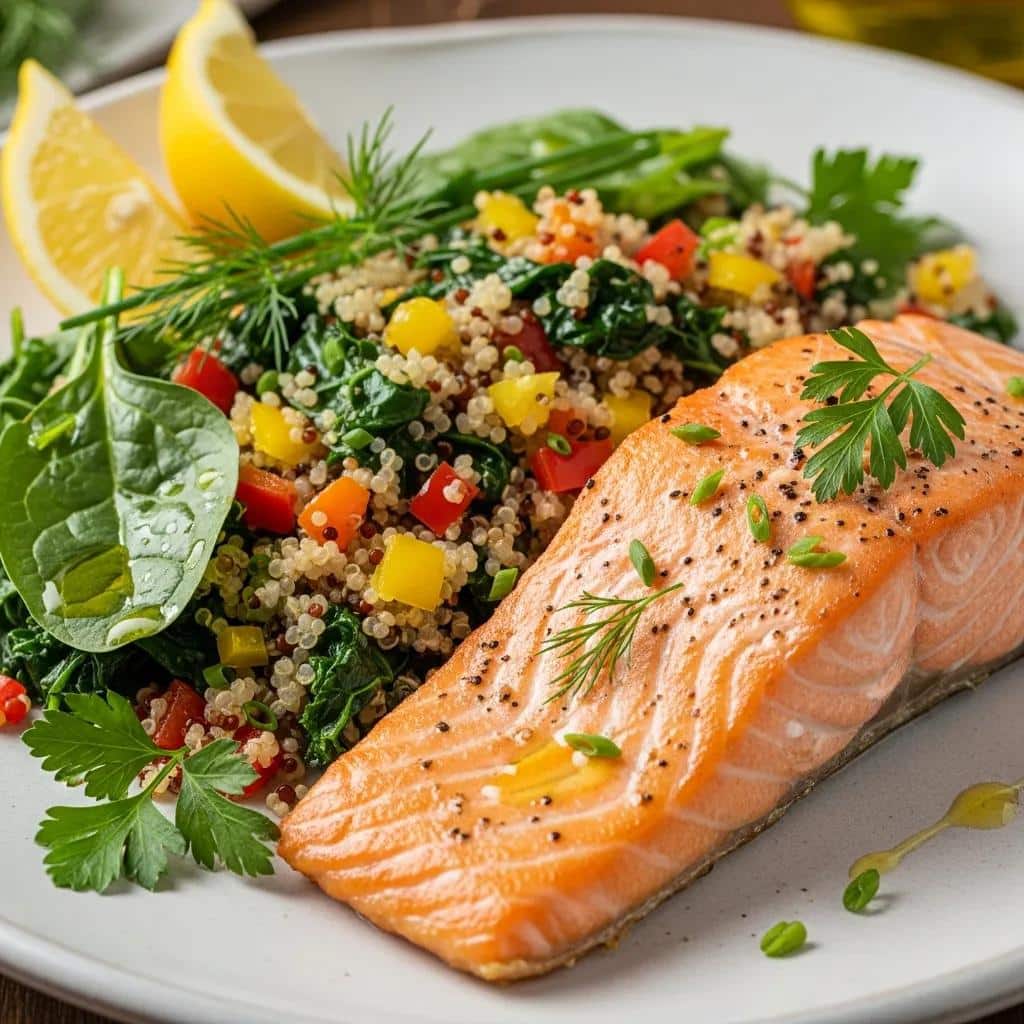
Foods that lower immune activation and oxidative stress can ease endometriosis-related pain while delivering nutrients for hormone metabolism and tissue repair. Emphasize omega‑3 fats, polyphenol-rich fruits and vegetables, fiber, and heart-healthy monounsaturated fats to reduce prostaglandin synthesis, support a diverse gut microbiome, and aid bone and cardiovascular health. Below are practical choices and simple serving ideas you can use at home.
Six anti-inflammatory foods and what they do:
- Fatty fish (salmon, sardines): High in EPA/DHA omega‑3s that blunt inflammatory mediators and may ease pain.
- Flaxseed and chia: Plant ALA plus fiber to support gut health and estrogen elimination.
- Berries and colorful vegetables: Rich in polyphenols and antioxidants to lower oxidative stress.
- Leafy greens (kale, spinach): Provide vitamin K, magnesium, and other nutrients that support bone and inflammation pathways.
- Extra‑virgin olive oil: Monounsaturated fats and polyphenols that replace pro-inflammatory saturated fats.
- Legumes and whole grains: Fiber and phytonutrients that feed beneficial gut bacteria and support metabolic health.
Prioritizing these groups helps lower inflammation, support hormone metabolism, and give you practical meal ideas that fit a Mediterranean or plant‑forward pattern.
Which Anti-Inflammatory Foods Help Hormone Balance and Pain Relief?
Omega‑3s directly reduce inflammatory signaling and prostaglandin production, while antioxidants from berries and green tea neutralize free radicals that can worsen tissue inflammation. High‑fiber foods — legumes, whole grains, and vegetables — promote estrogen elimination through the gut and reduce enterohepatic recycling. Putting these foods together — for example, a salmon and quinoa bowl with leafy greens and olive oil — addresses inflammation, estrogen metabolism, and bone‑supporting nutrients in one meal.
How Mediterranean and Plant‑Forward Diets Support Post‑Menopausal Care
Mediterranean and plant‑forward diets focus on whole, minimally processed foods that lower pro‑inflammatory inputs and increase antioxidants, fiber, and healthy fats. The Mediterranean pattern also offers regular fatty fish, olive oil, nuts, and modest dairy for calcium — all helpful after menopause. Easy changes include swapping red meat for fish or legumes, using olive oil instead of butter, and adding more colorful vegetables and whole grains to each plate. We cover this further in Breakthrough Endometriosis Treatment Research Post-Menopause.
Researchers continue to examine how lifestyle and diet influence endometriosis outcomes.
Impact of Lifestyle and Diet on Endometriosis: A Fresh Look
This review summarizes current evidence linking diet and lifestyle to endometriosis. While some associations are clear — such as links between alcohol, red meat, trans fats and worse outcomes — results for fruit, vegetables, dairy, unsaturated fats, fiber, soy and coffee are less consistent. Overall, a balanced, varied diet aligned with national guidance and limited alcohol is recommended, and more research is needed to offer concrete dietary prescriptions.
Foods to Limit for Better Symptom Control After Menopause
Some foods promote inflammation, insulin spikes, or unfavorable gut changes that can worsen pain and metabolic risk after menopause. Reducing processed meats, refined sugars, trans fats, and excess alcohol helps lower inflammatory signaling and prostaglandin production. Practical swaps make it easy to cut triggers without sacrificing flavor or nutrition. Read more in How Can Nutrition Support Endometriosis in Menopause.
Common pro‑inflammatory foods and why to limit them:
- Red and processed meats: Linked with higher inflammatory markers and prostaglandin precursors — swap for fish or legumes.
- Refined sugars and ultra‑processed foods: Cause insulin spikes and systemic inflammation — choose whole fruit and minimally processed snacks.
- Trans fats and hydrogenated oils: Promote endothelial inflammation and pain — use olive or avocado oil instead.
- Excess alcohol and high caffeine: Can disrupt sleep and increase pain sensitivity — focus on moderation and timing.
These swaps reduce inflammatory burden while keeping meals satisfying and nutritionally complete.
Which Pro‑Inflammatory Foods Drive Pain?
Dietary drivers of pain include prostaglandin production from saturated fats and arachidonic acid, insulin‑driven inflammatory cascades following refined carbohydrates, and oxidative stress from processed foods. Simple swaps — like choosing fatty fish over processed meats, whole grains over refined ones, and home‑cooked meals over ultra‑processed options — can reduce these mechanisms and help control symptoms. An elimination trial under a dietitian’s supervision can identify individual triggers while maintaining nutrient adequacy. You may also find Understanding Endometriosis Symptoms in Menopause – A Guide helpful.
How Do Gluten, Dairy, Caffeine, and Alcohol Affect Symptoms?
Evidence is mixed. Some people feel better after reducing gluten or dairy, possibly from lower gut irritation or resolving lactose intolerance; others notice no change. Caffeine and alcohol can worsen sleep and pain sensitivity in susceptible individuals, so moderation and symptom tracking are sensible. If you try elimination, work with a clinician or dietitian to protect calcium and protein intake — critical after menopause — and reintroduce foods carefully to confirm true triggers. For more detail, see our article Effective and Affordable Endometriosis Care Post-Menopause.
Supplements and Lifestyle Habits That Support Management After Menopause
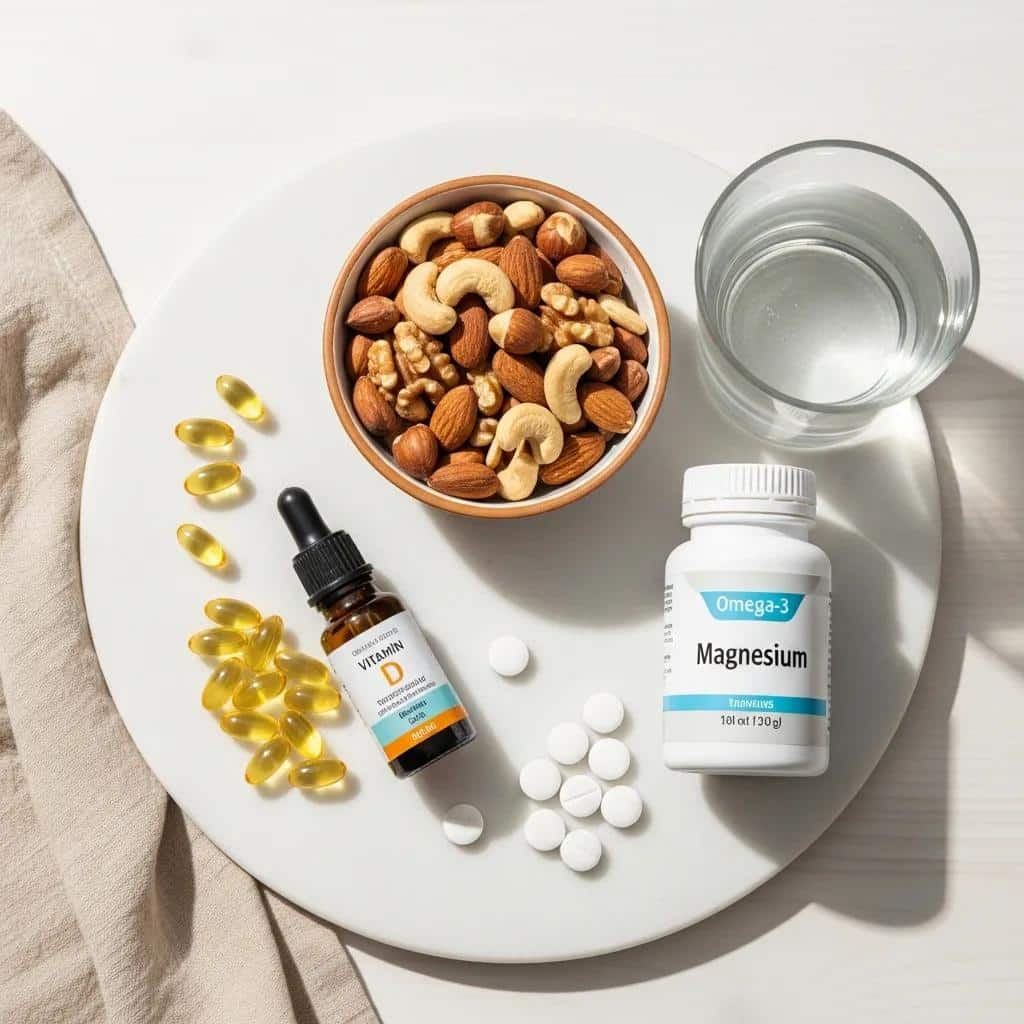
Certain supplements show anti‑inflammatory or antioxidant promise, and lifestyle practices like gut‑supporting fiber, targeted exercise, and stress reduction influence pain perception and function. Treat supplements as adjuncts to a healthy diet — choose them based on clinical context, medication interactions, and lab results (for example, vitamin D levels). Lifestyle changes amplify dietary benefits by improving sleep, reducing central sensitization, and supporting immune and metabolic health. For more detail, see our article Discover the Latest Findings on Post-Menopause Endometriosis.
Comparison of commonly used supplements and practical notes:
This overview helps weigh benefits, typical dosing, and safety so you and your clinician can decide what’s appropriate.
Which Supplements Are Most Useful After Menopause?
Omega‑3 fatty acids are a practical anti‑inflammatory option and can be increased through fatty fish or supplements. Vitamin D is essential for bone and immune health — manage it based on serum testing. Magnesium can aid sleep and muscle function, and agents like curcumin or N‑acetylcysteine (NAC) show emerging antioxidant benefits. All supplements should be discussed with a clinician, especially before surgery or if you have other medical conditions or medications.
Ongoing studies continue to refine how nutrition specifically affects endometriosis outcomes.
Does Nutrition Affect Endometriosis? A Review of Diet and Lifestyle Influences
This review examines whether diet and lifestyle influence endometriosis development or progression. Current evidence does not support a single, prescriptive diet, but fish oil (often paired with vitamin B12) has been associated with symptom benefit, while alcohol, high red meat intake, and trans fats are linked to worse outcomes. More research is needed to make specific dietary recommendations beyond general healthy‑eating guidance and limiting alcohol.
How Gut Health, Stress Management, and Exercise Impact Symptoms
The gut microbiome affects inflammation and estrogen metabolism, so more fiber, fermented foods, and targeted probiotics can help promote a favorable gut environment. Stress activates the HPA axis and amplifies pain — techniques like mindfulness, cognitive behavioral strategies, and paced breathing reduce central sensitization. Exercise that combines low‑impact aerobic work and progressive resistance preserves muscle and bone, reduces pain, and improves function. For persistent or severe symptoms, referrals to gastroenterology, pelvic pain specialists, or a dietitian allow personalized, multidisciplinary care.
At Endo Excellence Center, Dr. Rachael Haverland and our team offer coordinated pathways that integrate nutrition and perioperative planning with surgical and non‑surgical treatment options. Our approach blends surgical expertise with dietitian‑led pre‑ and post‑treatment nutrition strategies to support recovery and long‑term symptom control. If you’re considering tailored dietary planning alongside medical care, a consultation with our team can align nutrition with your clinical goals.
Frequently Asked Questions
1. How can I identify my specific food triggers for endometriosis symptoms?
Start with careful tracking: keep a food and symptom diary for several weeks and note patterns. An elimination trial — removing suspected triggers (for example, gluten, dairy, or high‑sugar foods) for a period, then reintroducing them one at a time — can help reveal true sensitivities. Do this with a dietitian when possible to protect nutrient intake and interpret results safely.
2. Are there lifestyle changes that help manage endometriosis symptoms?
Yes. Regular physical activity (low‑impact cardio plus strength training), sleep hygiene, stress reduction (mindfulness, CBT techniques, breathing exercises), and a diet focused on whole, anti‑inflammatory foods all support symptom management. Combining these changes with medical care provides the best chance for sustained improvement.
3. What role does hydration play in symptom management?
Staying well hydrated supports digestion, nutrient absorption, and toxin elimination — all helpful for reducing bloating and supporting overall health. Aim for a baseline of roughly 8–10 cups of fluid daily and adjust for activity, climate, and individual needs. Prioritize water and herbal teas, and limit sugary drinks.
4. Can stress management really change endometriosis symptoms?
Yes. Chronic stress amplifies pain perception and inflammation. Regular practice of stress‑reducing techniques — mindfulness, meditation, yoga, or structured therapy — can lower pain sensitivity and improve quality of life. These practices work best alongside dietary and medical treatments.
5. How does the gut microbiome influence endometriosis?
The gut microbiome helps regulate inflammation and metabolize hormones like estrogen. A fiber‑rich, diverse diet with fermented foods and targeted probiotics can support a healthier microbiome, which may help reduce systemic inflammation and assist in estrogen clearance.
6. Which vitamins or minerals are most helpful?
Vitamin D is important for bone and immune health; magnesium can ease cramps and improve sleep; omega‑3s have clear anti‑inflammatory effects; and antioxidants (vitamins C and E) may reduce oxidative stress. Aim to meet needs through food first and use supplements when clinically indicated and supervised.
7. How do I make sure I get enough nutrients on an anti‑inflammatory diet?
Eat a variety of whole foods across all food groups: fruits, vegetables, whole grains, legumes, lean proteins, dairy or calcium alternatives, and healthy fats. Plan meals ahead, include protein at each meal, and work with a registered dietitian to tailor an anti‑inflammatory plan that meets your nutrient needs. When you are ready to talk through your options, schedule an appointment with our team.
Conclusion
Thoughtful nutrition can be a powerful tool for managing endometriosis after menopause. Focusing on anti‑inflammatory foods, protecting bone and muscle health, and using supplements and lifestyle practices thoughtfully — in coordination with medical care — can improve symptoms and quality of life. For personalized plans and perioperative support, consult your healthcare team or a registered dietitian. Explore our resources or reach out to Endo Excellence Center to find a tailored path forward.