

Endometriosis can persist or first appear after menopause when endometrial‑like tissue remains active despite the end of ovarian cycles. This clear, practical guide explains why postmenopausal endometriosis matters — ongoing pelvic pain, bowel or bladder symptoms, and the small but important risk of malignant change — and maps straightforward steps for diagnosis and care. You’ll read how symptoms typically present, which imaging tests are most useful, when laparoscopic excision and tissue analysis are needed, and how medical and surgical approaches compare for symptom control and safety. We also cover hormone replacement therapy (HRT) choices, the role of aromatase inhibitors, non‑hormonal pain management, and why a multidisciplinary team improves quality of life. Read on for concise, evidence‑informed answers and clear guidance on when to seek specialty evaluation.
What Are the Common Symptoms of Endometriosis After Menopause?
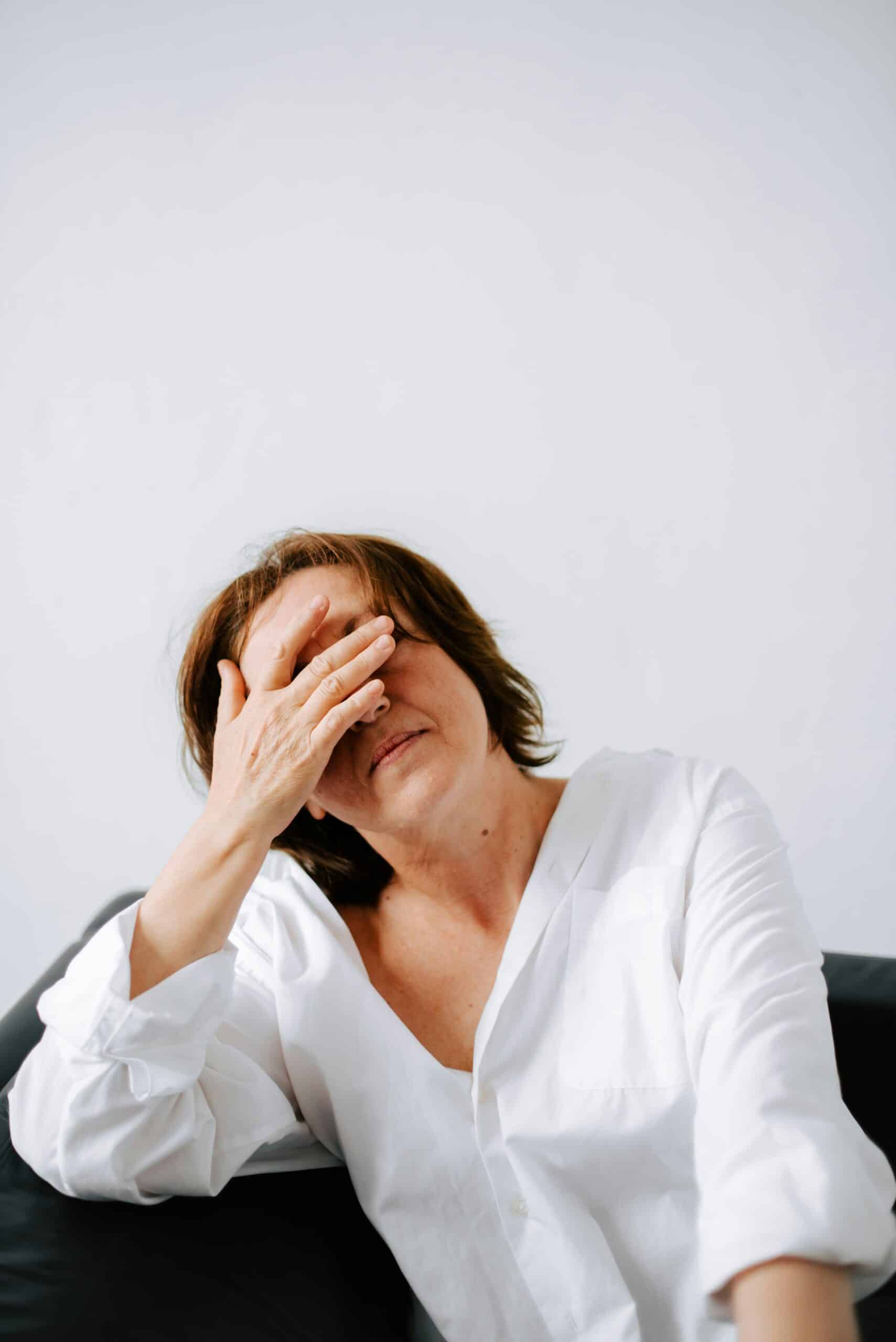
In postmenopausal women, endometriosis most often shows up as localized pelvic pain and symptoms tied to organ involvement from residual lesions or new local estrogen production. These symptoms can look different from those in younger women and may be mistaken for other menopausal or pelvic disorders, so careful evaluation matters. The list below highlights the features clinicians and patients should watch for to decide on imaging, referral, and possible laparoscopy.
Typical presentations include focal pelvic or abdominal pain corresponding to lesion location and bowel or urinary symptoms that can resemble other pelvic conditions. Spotting these patterns helps guide targeted imaging and timely specialist referral when pain is unexplained, worsening, or long‑standing.
How Does Postmenopausal Endometriosis Cause Pelvic Pain and Other Symptoms?
Lesions can remain active after menopause because they make estrogen locally and trigger chronic inflammation. Local aromatase expression within implants produces estrogens that support lesion survival and release inflammatory mediators that sensitize pelvic nerves, leading to persistent pain. Adhesions and deep infiltrating nodules can mechanically interfere with bowel or bladder function, causing constipation, urgency, or pain with intercourse. Knowing these mechanisms explains why symptoms depend on lesion location and why medical suppression or surgical excision can reduce pain and improve organ function. For more detail, see our article Understanding Endometriosis Symptoms in Menopause – A Guide.
Can Endometriosis Symptoms Return or Persist After Menopause?
Yes. Symptoms may persist or recur, especially when risk factors such as prior severe disease, residual implants after surgery, or use of unopposed estrogen exist. Some HRT regimens that provide estrogen without adequate progestogen can reactivate residual disease, while lesion‑driven estrogen synthesis may sustain activity even without systemic hormones. Watch for new or worsening pain, bleeding, or organ symptoms, and seek specialist review to determine whether imaging, HRT adjustment, medical therapy, or surgical excision is the best next step.
How Is Endometriosis Diagnosed in Postmenopausal Women?

Diagnosis uses a stepwise approach: focused history (including prior endometriosis and HRT), physical exam, targeted imaging, and, when indicated, diagnostic laparoscopy with excision and histology. Small peritoneal implants are often missed on scans, so clinical judgment directs when tissue diagnosis is necessary. The pathway, clinical assessment → targeted imaging → laparoscopy with excision and histology when indicated, balances less invasive workup with the need for definitive diagnosis in suspicious or severe cases. The sections below summarize imaging options and explain why laparoscopy remains the diagnostic and therapeutic standard.
What Imaging and Tests Are Used to Detect Endometriosis After Menopause?
Imaging localizes larger lesions and deep infiltrating disease but can miss small surface implants. The table below outlines common modalities, their most useful applications, and their limitations to help clinicians choose the best test or referral.
The table below clarifies the strengths and limits of each imaging option for postmenopausal endometriosis. Read more in MRI for Diagnosing Postmenopausal Endometriosis Effectively.
Why Is Laparoscopic Excision Surgery the Gold Standard for Diagnosis?
Laparoscopy with excision and histologic analysis is definitive because it directly visualizes lesions and provides tissue for diagnosis while allowing therapeutic removal at the same time. Excision delivers diagnostic confirmation and symptom relief by removing implants, lowering local inflammation, and restoring normal anatomy. Outcomes depend on surgeon experience and technique, so referral to clinicians skilled in complete excision improves diagnostic accuracy and lowers recurrence.
Specialized teams provide advanced diagnostics and minimally invasive excision when needed; coordinated care ensures the best balance between accurate diagnosis and safe, effective treatment.
Endo Excellence Center offers advanced diagnostic services and access to experienced laparoscopic excision teams led by Dr. Rachael Haverland, a board‑certified surgeon trained at Mayo Clinic. Our team supports precise imaging interpretation, targeted laparoscopic diagnosis, and coordinated treatment plans when excision and histology are indicated.
What Are the Medical and Surgical Treatment Options for Postmenopausal Endometriosis?
Treatment is individualized based on symptom severity, lesion characteristics, and overall health priorities. Options include tailored HRT planning, aromatase inhibitors, progestogens, non‑hormonal analgesics, and surgical approaches focused on laparoscopic excision or more extensive operations when necessary. Decisions consider goals for symptom control, concerns about malignancy, comorbidities, and effects on bone and cardiovascular health. The table below compares common medical and surgical strategies to help patients and clinicians weigh benefits and trade‑offs. For more detail, see our article Explore Treatment Options for Post-Menopausal Endometriosis.
Below is a concise comparison of common approaches and their typical effects on endometriosis.
This comparison helps tailor care: medical suppression is reasonable for mild symptoms or when surgery is high risk, while complete excision is preferred for persistent, recurrent, or suspicious lesions.
When surgery is advised, specialized excision by an experienced team often gives the best combination of symptom relief and diagnostic certainty. Endo Excellence Center emphasizes gold‑standard laparoscopic excision using minimally invasive techniques with coordinated multidisciplinary postoperative care led by Dr. Rachael Haverland. Our goal is comprehensive disease removal while addressing bowel, bladder, and pelvic‑floor needs.
How Does Hormone Replacement Therapy Affect Endometriosis After Menopause?
HRT can relieve menopausal symptoms but may affect lesion activity depending on the regimen. Unopposed estrogen has the potential to reactivate residual disease, while combined estrogen–progestogen regimens generally carry a lower reactivation risk for many patients. Aromatase inhibitors can target local estrogen production when HRT adjustments are insufficient, but they have bone‑safety implications and require monitoring. Shared decision‑making with a specialist helps balance menopausal symptom control against the risk of endometriosis recurrence.
Why Is Endometriosis Excision Surgery Recommended After Menopause?
Excision is advised for persistent pain, recurrent disease, or lesions that look concerning for malignancy because it both establishes a tissue diagnosis and commonly provides lasting symptom relief. Removing nodules and adhesions eases mechanical pain and reduces local inflammation that contributes to neuropathic pain. Surgeon expertise matters: complete excision of deep infiltrating disease by a skilled team produces better pain and quality‑of‑life outcomes than incomplete removal.
How Can Women Manage Pain and Improve Quality of Life With Postmenopausal Endometriosis?
Effective management focuses on reducing pain and restoring daily function through a mix of targeted medical therapies, non‑hormonal pain strategies, lifestyle adjustments, and coordinated multidisciplinary care. Self‑management and adjunctive therapies support medical or surgical treatment to lower symptom burden. The lists below outline non‑hormonal options and signals that indicate when to escalate care to a multidisciplinary team.
Non‑hormonal strategies can ease symptoms without activating lesions and work well alone or alongside other treatments.
- Non‑hormonal analgesics: NSAIDs for inflammatory pain and acetaminophen where appropriate.
- Neuropathic pain agents: Low‑dose neuromodulators for centralized or nerve‑related pain.
- Pelvic floor physical therapy: Manual therapy, biofeedback, and retraining for pelvic‑floor dysfunction.
- Behavioral strategies: Pacing, graded activity, mindfulness, and cognitive approaches to reduce pain impact.
These approaches aim to lower symptoms and improve function while minimizing hormonal exposure. If symptoms persist or worsen, seek specialist evaluation for additional options.
What Non-Hormonal Pain Relief and Lifestyle Strategies Are Effective?
Non‑hormonal care includes analgesics, neuropathic agents, pelvic‑floor therapy, and lifestyle measures such as graded exercise and better sleep. Pelvic‑floor therapy can reduce muscle tension that contributes to pain and painful intercourse, while neuropathic agents address nerve‑driven pain. Dietary adjustments and pacing of activities may reduce bowel and bladder flare‑ups. Red flags — progressive pain, unexplained bleeding, or a new mass — require prompt specialist review.
How Does Multidisciplinary Care Support Emotional and Physical Well-Being?
A multidisciplinary team — including a gynecologic surgeon, pain specialist, pelvic‑floor physiotherapist, bowel/bladder expert, and mental health professional — coordinates care to address the wide‑ranging impact of postmenopausal endometriosis. Integrated care shortens time to diagnosis, improves symptom management, and supports recovery with combined therapies tailored to each person’s symptom cluster. For those seeking coordinated, excision‑focused care with supportive services, Endo Excellence Center offers multidisciplinary pathways and compassionate consultation with Dr. Rachael Haverland to develop individualized treatment and rehabilitation plans. You may also find Effective MRI for Postmenopausal Endometriosis Diagnosis helpful.
Frequently Asked Questions
What are the long-term effects of untreated postmenopausal endometriosis?
Left untreated, postmenopausal endometriosis can cause chronic pelvic pain, bowel or bladder dysfunction, and complications from adhesions or organ involvement. There is also a small risk of malignant transformation in endometriotic tissue, especially after long‑standing or severe disease. Regular monitoring and timely intervention help manage symptoms and reduce long‑term risks. If you have persistent symptoms, see a specialist to review management options. Read more in Recognizing Postmenopausal Endometriosis Signs: Key Symptoms.
How can lifestyle changes impact the management of postmenopausal endometriosis?
Lifestyle measures can meaningfully complement medical or surgical care. Regular, graded exercise, a balanced diet, sleep optimization, and stress‑reduction techniques (for example, yoga or mindfulness) can reduce symptom severity and improve resilience. Maintaining a healthy weight may also lower inflammation. These strategies work best when combined with medical or surgical treatment as recommended by your care team.
What role does diet play in managing endometriosis symptoms?
Diet may influence inflammation and symptom burden. A diet rich in fruits, vegetables, whole grains, and omega‑3 fats can be helpful, while processed foods, high sugar, and trans fats may worsen symptoms for some people. Some patients try Mediterranean‑style or elimination diets with benefit. Consulting a nutritionist experienced with endometriosis can help create a personalized plan that supports overall health and symptom control.
Are there any alternative therapies that can help with endometriosis pain?
Some alternative therapies offer additional relief. Acupuncture has shown benefit for pain and quality of life in certain studies, and anti‑inflammatory herbal supplements (such as turmeric or ginger) may help some people. Always check with your healthcare provider before starting supplements or alternative treatments to ensure safety and avoid interactions with other medications.
How can emotional support impact the experience of living with endometriosis?
Emotional support is an essential part of care. Chronic pain and uncertainty can lead to anxiety, isolation, or depression. Support groups, counseling, and therapy provide tools to cope, share experiences, and build resilience. A trusted support network of family, friends, and healthcare professionals improves emotional well‑being and helps with long‑term coping.
What should women know about the risk of malignancy with postmenopausal endometriosis?
There is a small but important risk that endometriotic lesions can undergo malignant transformation, which is why new or changing symptoms should prompt timely evaluation. The risk is greater in patients with a history of extensive disease or atypical imaging findings. Regular monitoring and specialist consultation help define appropriate surveillance and management to minimize risk.
Conclusion
Recognizing and managing postmenopausal endometriosis is essential to reduce pain, protect organ function, and maintain quality of life. Timely diagnosis, individualized treatment plans, and coordinated multidisciplinary care deliver the best outcomes. If you need personalized guidance or expert surgical care, the Endo Excellence Center team is available to help — please contact us to discuss your options. To discuss your situation with a specialist, schedule an appointment at our center.