

Endometriosis is a chronic gynecologic condition in which tissue similar to the uterine lining grows outside the uterus. Contrary to a common belief, menopause does not always end the disease; symptoms can remain active and cause pain or organ dysfunction after natural menopause. Research shows that local estrogen production and other non-ovarian factors can sustain or reactivate disease. This article separates fact from myth about endometriosis after menopause, explains why lesions may persist, outlines symptoms to watch for, reviews how hormone replacement therapy (HRT) can affect disease activity, describes when excision surgery is appropriate, and summarizes non-hormonal strategies to improve quality of life. The emphasis is on postmenopausal pelvic pain and management options, with guidance on when multidisciplinary evaluation and expert surgical care are helpful.
Does Endometriosis Go Away With Menopause? The Real Answer
Endometriosis does not reliably disappear at menopause, the short, accurate answer is “not always.” Lesions can make estrogen locally through the aromatase enzyme and remain active even after ovarian estrogen falls. Residual disease from earlier years, new lesions in extragonadal sites, and exposure to external hormones can also keep disease active. Recent studies and clinical case series show a measurable number of postmenopausal patients continue to have symptoms, and clinicians increasingly recognize postmenopausal endometriosis as a real diagnosis rather than a rare curiosity. Understanding these mechanisms helps patients and clinicians avoid dismissing persistent pelvic pain as simply “menopausal change” and supports timely evaluation.
Why Endometriosis May Persist or Appear After Menopause
Endometriosis can persist because affected tissue often produces aromatase, an enzyme that converts androgens into estrogens locally and fuels lesion survival and inflammation. This local estrogen production creates a self-sustaining environment that can support lesion activity even when ovarian estrogen declines. Dormant implants left after earlier treatment can reactivate, and exogenous hormones such as systemic HRT may increase local estrogen exposure in susceptible tissue. Recognizing an aromatase-driven mechanism clarifies why targeted treatments and specialist assessment matter for persistent or new postmenopausal symptoms.
What Symptoms Suggest Endometriosis After Menopause?
Postmenopausal endometriosis most commonly causes chronic pelvic pain that may be constant or have cyclical features, painful intercourse (dyspareunia), and organ-specific symptoms like bowel dysfunction or urinary urgency when lesions involve the bowel or bladder. Less commonly, patients notice postmenopausal spotting or a palpable pelvic mass that warrants imaging. Because symptoms often overlap with irritable bowel syndrome, interstitial cystitis, or pelvic floor dysfunction, a focused history and targeted exam help distinguish causes. Any new or worsening pelvic pain after menopause should be evaluated rather than attributed to normal aging. For more detail, see our article Understanding Endometriosis Symptoms in Menopause – A Guide.
Can Hormone Replacement Therapy Affect Endometriosis After Menopause? Risks and Considerations

Hormone replacement therapy can affect endometriosis by raising systemic or local estrogen exposure, which in some patients may stimulate residual lesions and bring back symptoms. The impact depends on HRT type, dose, route, and whether a progestin is included. Shared decision-making that balances relief of menopausal symptoms with endometriosis risk is essential. Recent guidance and case reports emphasize individualized plans with careful monitoring for symptom recurrence, particularly in individuals with a history of deep infiltrating disease. Coordinating HRT decisions with an endometriosis specialist supports safer choices and an appropriate surveillance strategy for postmenopausal patients.
How HRT Can Influence Endometriosis Tissue and Symptoms
Systemic estrogen therapy can increase the substrate available for aromatase within lesions and potentially reactivate disease, leading to pain recurrence or lesion progression. Local vaginal estrogen formulations usually have lower systemic absorption but should still be evaluated for safety in people with prior extensive disease. Practical monitoring includes keeping a symptom diary, routine pelvic exams, and targeted imaging when symptoms change. These precautions underscore the importance of tailoring HRT type and regimen to each patient’s history and disease burden.
Introductory explanation for the table below: This table summarizes common HRT approaches and their relative implications for endometriosis risk, symptom impact, and monitoring priorities to support clinician–patient conversations.
Common safe-management principles include:
- Individualized dosing: Use the lowest effective dose to control menopausal symptoms.
- Prefer combined regimens when appropriate: Adding progestin can reduce unopposed endometrial stimulation in many cases.
- Coordinate with specialists: Shared decision-making with an endometriosis clinician supports tailored monitoring and follow-up.
These steps can reduce uncertainty and guide safer HRT use for people with a history of endometriosis.
Is Surgery Necessary After Menopause? When Excision Surgery Makes Sense
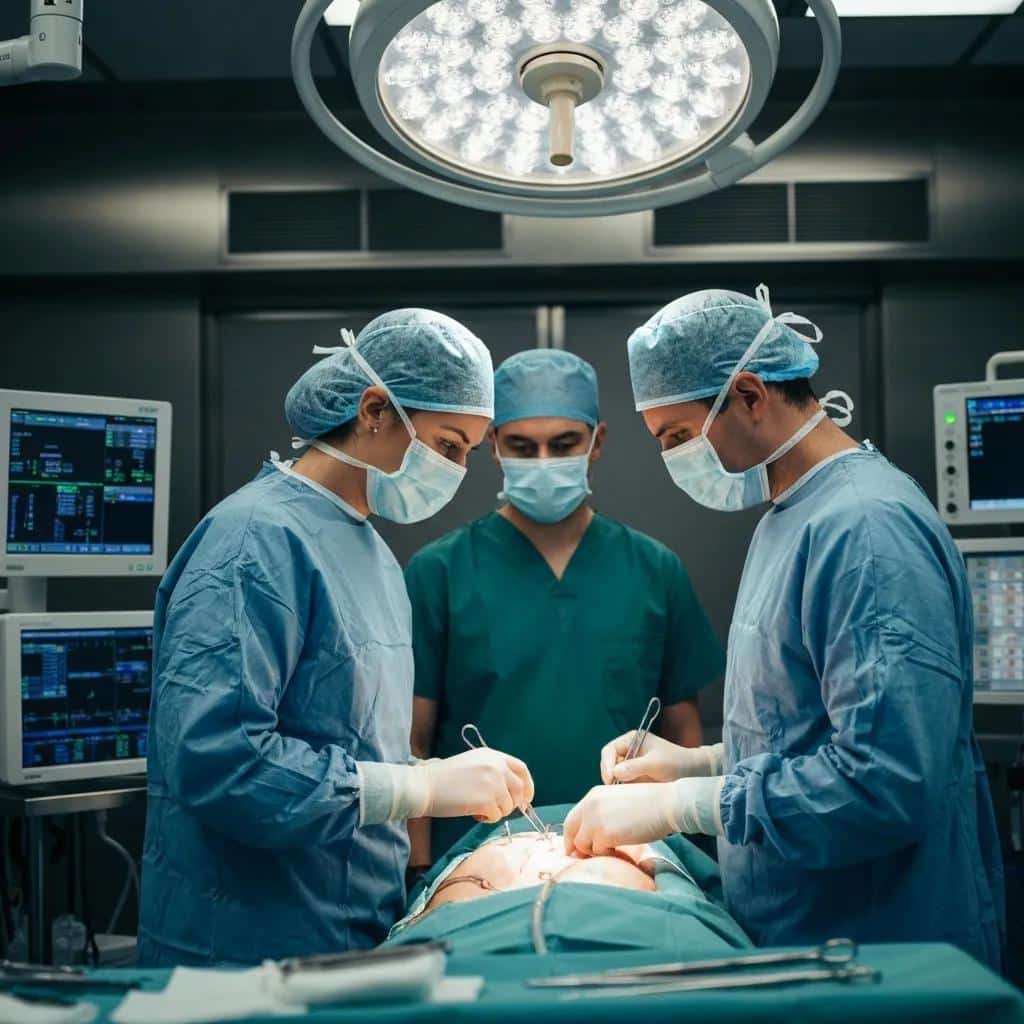
Surgery is indicated when lesions cause substantial pain, involve organs (for example bowel or bladder compromise), present as a suspicious pelvic mass, or when conservative treatments fail to control symptoms. In these circumstances, complete excision surgery offers the best chance for lasting symptom relief and tissue diagnosis. Excision removes the lesion rather than superficially destroying it, which reduces the risk of recurrence and addresses deep-infiltrating disease more effectively than ablation. Minimally invasive laparoscopic excision by an experienced specialist tends to optimize outcomes and shorten recovery compared with open surgery. Discussing surgical indications, scope, and recovery with a multidisciplinary team helps ensure safe, well-planned care for postmenopausal patients. For more detail, see our article What to Know About Endometriosis Diagnosis After Menopause.
Why Excision Surgery Is Often Preferred for Postmenopausal Endometriosis
Excision is favored because it aims to remove all visible disease, including deep infiltrating lesions and adhesions, which improves long-term pain control and reduces recurrence compared with superficial ablation. Surgical skill matters: surgeons trained in gold-standard excision techniques and minimally invasive approaches achieve better symptom outcomes while protecting nearby organs. Clinical experience and evidence suggest targeted excision is particularly beneficial when disease involves organs or when symptoms recur despite prior treatment. Patients considering surgery should discuss likely outcomes, risks, and recovery timelines with a specialist to determine whether excision is the right option. We cover this further in Common Endometriosis Symptoms After Menopause to Watch For.
This table contrasts excision surgery with non-surgical and conservative approaches, highlighting typical indications, expected outcomes, and recovery considerations to inform decision-making.
Key benefits of a multidisciplinary approach include:
- Comprehensive diagnosis: Working with colorectal and urology specialists clarifies organ-specific disease.
- Improved surgical planning: Team input reduces intraoperative surprises and supports better outcomes.
- Holistic recovery: Pain medicine and pelvic physical therapy help optimize postoperative rehabilitation.
After reviewing excision benefits and multidisciplinary coordination, readers should better understand surgical indications and how integrated care improves outcomes. For patients seeking specialized evaluation, Endo Excellence Center offers focused assessment and gold-standard excision led by Mayo Clinic–trained, board-certified specialist Dr. Rachael Ann Haverland, with multidisciplinary collaboration for complex bowel and bladder involvement.
Managing Chronic Pain and Improving Quality of Life After Menopause
Many postmenopausal patients achieve meaningful pain reduction and improved function with non-hormonal strategies, multidisciplinary rehabilitation, and targeted procedures when needed. A stepwise plan that combines medications for neuropathic pain, pelvic floor physical therapy, cognitive-behavioral techniques, and lifestyle changes often lowers symptom burden and restores daily function. Regular symptom tracking and coordinated care between gynecology, pain management, and pelvic health specialists improve outcomes. When conservative measures are insufficient, timely referral for surgical evaluation allows appropriate escalation of care.
Effective Non-Hormonal Treatments and Therapies Post-Menopause
Non-hormonal options include NSAIDs for nociceptive pain, neuropathic agents (for example select neuromodulators) for central sensitization, and interventional procedures like targeted nerve blocks or neuromodulation for refractory pain. Pelvic floor physical therapy addresses muscle dysfunction that commonly amplifies pelvic pain, while cognitive-behavioral therapy and pain-coping strategies improve daily functioning and quality of life. Complementary measures, structured exercise, improved sleep, and anti-inflammatory nutrition, support symptom control. Combining these approaches in an integrated care plan usually yields better long-term results than single therapies alone.
Practical self-management checklist:
- Keep a symptom diary: Record pain patterns, bowel/bladder symptoms, and possible triggers.
- Try pelvic physical therapy: Address muscle tension and improve pelvic function.
- Use multimodal pain strategies: Combine medications, behavioral therapy, and targeted procedures as appropriate.
These steps help patients track progress and communicate clearly with clinicians about next steps.
When to Seek Expert Care for Postmenopausal Endometriosis
See a specialist if you have new or worsening pelvic pain after menopause, ongoing bowel or bladder dysfunction, an unexplained pelvic mass, or symptoms that interfere with daily life despite standard measures. Urgent referral is warranted for rapidly worsening pain, significant bleeding, or signs of organ obstruction. Before a specialist visit, bring a symptom diary, prior imaging or operative reports if available, and a concise medication history to help the team assess your case efficiently. Endo Excellence Center provides multidisciplinary evaluation and individualized treatment planning focused on pelvic pain, bowel and bladder health, fertility considerations when relevant, and emotional well-being; consultations are available with Dr. Rachael Ann Haverland and the clinic team. You may also find Debunking Endometriosis Myths in Menopause helpful.
- Red flags for prompt referral: increasing or severe pain, new bleeding, obstructive bowel symptoms.
- Preparation for consultation: timeline of symptoms, prior records, and current therapies.
- What to expect: focused clinical evaluation, targeted imaging or testing as needed, and collaborative care planning.
These guidelines help patients recognize when specialist input is appropriate and how to participate effectively in their care.
Frequently Asked Questions
What lifestyle changes help manage endometriosis symptoms after menopause?
Meaningful lifestyle changes can improve quality of life. Regular, moderate exercise, a balanced diet emphasizing anti-inflammatory foods, and consistent sleep help reduce symptoms for many people. Stress-reduction practices such as yoga, mindfulness, or meditation can also be useful. Keeping a symptom diary to identify triggers and responses to activities helps you make informed, practical adjustments.
Are there risks with HRT for women with a history of endometriosis?
Yes. HRT can raise estrogen exposure and in some people may reactivate endometriosis lesions or provoke symptoms. Risk varies by HRT type, dose, route, and individual history. Discuss benefits and risks with your healthcare team so you can choose a tailored approach that balances menopausal symptom relief with disease control and appropriate monitoring.
How can pelvic floor physical therapy help after menopause?
Pelvic floor physical therapy targets pelvic muscle dysfunction that often contributes to pain. Techniques include manual therapy, exercises to improve coordination and strength, and education on posture and body mechanics. Many patients experience reduced pain, better function, and improved comfort during daily activities and sexual activity when pelvic floor care is part of a comprehensive plan.
What signs indicate surgical intervention may be needed in postmenopausal endometriosis?
Consider surgical evaluation when pelvic pain is persistent or worsening, when bowel or bladder function is significantly affected, or when imaging shows a suspicious pelvic mass. Surgery is also appropriate when conservative care fails and symptoms interfere with quality of life. Urgent surgical assessment is indicated for organ obstruction or rapidly progressing symptoms.
Can endometriosis cause complications after menopause?
Yes. Persistent lesions can cause chronic pain, organ dysfunction (for example bowel obstruction or urinary problems), and, in rare cases, be associated with malignancy risk in the postmenopausal population. Regular monitoring and prompt evaluation of new or changing symptoms help detect complications early and guide appropriate treatment.
Why is multidisciplinary care important for postmenopausal endometriosis?
Multidisciplinary care brings together gynecology, pain management, physical therapy, radiology, and, when needed, colorectal or urology specialists. This team approach provides a comprehensive evaluation and individualized treatment plan that addresses the many dimensions of the condition, improving outcomes and supporting recovery and long-term function.
Conclusion
Endometriosis can persist after menopause, and understanding that possibility is the first step toward effective care. With individualized treatment, from careful HRT planning to multidisciplinary conservative care and expert excision when indicated, many people regain function and reduce pain. If you’re experiencing new or worsening pelvic symptoms, seek an evaluation from a specialist. For personalized support and expert assessment, consider reaching out to specialized centers like Endo Excellence Center for guidance and treatment planning. For more detail, see our article Endometriosis and Menopause: Myths vs. Facts.