

Endometriosis occurs when tissue similar to the uterine lining grows outside the uterus, causing pelvic pain, painful periods, and sometimes difficulty conceiving. Many people wait years for a correct diagnosis because symptoms often overlap with other conditions and non‑invasive tests miss certain lesion types. Knowing what limits diagnostic accuracy helps patients and clinicians make better decisions. This article breaks down the multiple reasons diagnosis is difficult, compares common diagnostic tools, reviews promising research, and offers practical steps you can take to shorten the path to an accurate diagnosis. You’ll learn how patient behavior, clinician training, system-level barriers, and the technical limits of ultrasound, pelvic MRI, and laparoscopy come together to shape diagnostic certainty and delay. The sections that follow cover symptom and provider factors, systemic obstacles, the strengths and limits of imaging and surgery, emerging biomarkers and imaging agents, clinical consequences of misdiagnosis, and concrete advocacy steps to help you reach the right specialist sooner.
Why Is Endometriosis So Hard to Diagnose?
Endometriosis is hard to diagnose because it shows up in many ways and because non‑invasive tests can miss the most common lesion types. Some people present mainly with pelvic pain or infertility; others report bowel or bladder symptoms that look like gastrointestinal or urologic problems. Those overlaps make it harder for primary care clinicians and specialists outside gynecology to suspect endometriosis, and they can lead to symptom-focused care instead of specialist referral. When you add factors such as patients normalizing painful periods, gaps in clinician training, and imaging limitations, it becomes clear why diagnostic delays and misattribution are so common.
Below are the main drivers that reduce diagnostic accuracy and set up the discussion of patient and provider roles.
Endometriosis is difficult to detect for several practical reasons:
- Symptom overlap: Pelvic pain, bloating, and bowel changes often mimic IBS and other pelvic disorders.
- Test limitations: Transvaginal ultrasound and MRI identify many lesions but frequently miss superficial peritoneal implants.
- Normalization of pain: Patients and some clinicians may accept severe menstrual pain as “normal,” delaying evaluation.
- Provider variability: Differences in training and specialist access change thresholds for referral and diagnosis.
Together, these factors create uncertainty that commonly leads to delayed specialist evaluation and underdiagnosis. That’s why the next section looks at how patient choices and provider practices interact to shape the diagnostic journey.
What Patient Factors Slow Down Diagnosis?
Patient-related factors strongly influence diagnostic delay because how symptoms are reported, cultural beliefs about pain, and practical barriers affect when and how someone seeks care. Many people assume painful periods are normal or attribute symptoms to heavy bleeding, which reduces early visits to clinicians and stalls the diagnostic process. Financial and logistical issues—insurance limits, inability to take time off work, or caregiving responsibilities—also limit access to imaging and specialist appointments. Keeping a clear, time‑stamped record of symptoms, their severity, and how they affect daily life improves communication with clinicians and makes timely referral more likely. Patients who track patterns give clinicians better evidence for further evaluation.
These behaviors intersect with clinician responses; the next subsection examines how provider knowledge and diagnostic habits affect accuracy.
How Do Provider Knowledge Gaps and Misdiagnosis Reduce Accuracy?
Gaps in clinician knowledge and common diagnostic shortcuts (anchoring) reduce accuracy because clinicians often default to more familiar diagnoses—like irritable bowel syndrome or overactive bladder—when faced with pelvic pain. Primary care providers, emergency clinicians, and even some gynecologists may miss the specific signs that suggest endometriosis, such as cyclical pain or deep pain with intercourse. Anchoring on an initial diagnosis and not re‑evaluating after treatments fail prolongs the path to the correct diagnosis. Timely referral to a clinician experienced in recognizing and managing endometriosis increases the chance of appropriate imaging, triage to laparoscopy when indicated, and faster confirmation.
These provider issues feed directly into systemic barriers that determine whether referral and definitive testing are practical.
This summary highlights why improvements must target patients, clinicians, and systems together. The next section expands on systemic barriers that shape access to specialists and testing.
What Systemic Barriers Affect Endometriosis Diagnosis?
System-level factors shape who gets advanced imaging or surgical evaluation because health system structure, referral networks, and payer policies determine access. Specialist shortages and geographic disparities can lengthen wait times for gynecology referral or for surgeons trained in excision; prior authorization processes can delay MRI or laparoscopy. Systems without coordinated care pathways for chronic pelvic pain often funnel patients through repeated single‑discipline visits instead of a multidisciplinary evaluation, which increases delays. Recognizing these system drivers helps clinicians and patients pursue practical strategies—targeted triage, telemedicine second opinions, or multidisciplinary clinics—to shorten the time to an accurate diagnosis.
Below are common system barriers and practical mitigation approaches clinicians and patients can consider.
- Limited specialist availability: Long waitlists and few excision‑trained surgeons push out time‑to‑diagnosis.
- Insurance and authorization hurdles: Prior authorization for advanced imaging or surgery can add significant delay.
- Fragmented care pathways: Lack of coordinated multidisciplinary teams leads to repeated, siloed evaluations.
- Regional variability: Urban centers often have more resources than rural areas, creating access inequities.
These system constraints interact with provider behavior and patient access. The following subsections explain how specialist access and system design translate into longer diagnostic timelines.
How Does Limited Specialist Access Extend Diagnostic Timelines?
Limited specialist access extends diagnosis times because referral bottlenecks, workforce shortages, and distance can stretch the interval between first presentation and specialist assessment to months or years. Many patients move through several referrals—primary care to general gynecology to an endometriosis specialist—before meeting a surgeon with excision expertise, and each step adds delay. Telemedicine and remote second opinions can reduce geographic barriers by enabling early triage and preoperative planning, cutting unnecessary local testing and speeding definitive care when surgery is needed. Clearer referral criteria and faster pathways to excision‑capable clinics shorten diagnostic intervals and increase the chances of timely, effective treatment.
Greater specialist access helps, but system funding and coordination changes are also necessary, as discussed next.
How Do Healthcare Systems Contribute to Diagnostic Delays?
Healthcare systems shape delays through guideline use, resource allocation, and incentives that affect testing and surgical access. Systems that support multidisciplinary pelvic pain or endometriosis programs typically enable faster, more coordinated workups and reduce redundant testing. In contrast, systems organized around episodic care without chronic‑condition pathways tend to delay referral and definitive diagnosis. Policy and payer changes that streamline authorization for MRI and diagnostic laparoscopy, along with investments in clinician education, can reduce structural barriers and improve diagnostic accuracy across populations.
Tackling these system levers complements better provider training and patient advocacy to create a more dependable diagnostic pathway.
How Accurate Are Common Diagnostic Methods for Endometriosis?
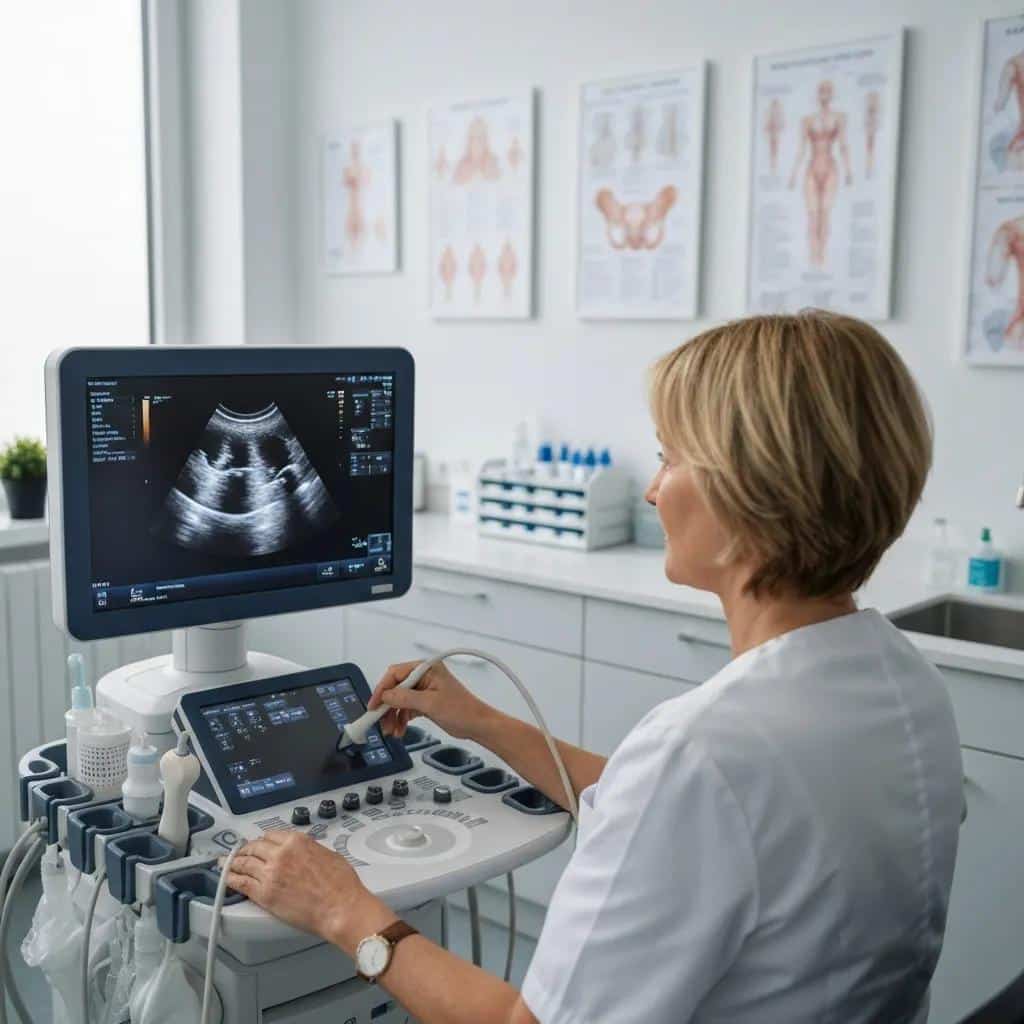
Diagnostic tools have different strengths because they detect different lesion types. Transvaginal ultrasound and pelvic MRI are useful for ovarian endometriomas and deep infiltrating disease; diagnostic laparoscopy with biopsy offers direct visualization and histologic confirmation. Sensitivity and specificity depend on lesion location and operator skill—transvaginal ultrasound is reliable for ovarian cysts but often misses superficial peritoneal implants. Laparoscopy remains the reference standard because it allows both diagnosis and tissue confirmation, though it is invasive and carries surgical risk. Knowing what each test can and can’t detect helps patients and clinicians set realistic expectations about non‑surgical evaluation and when operative assessment is appropriate.
The table below compares common diagnostic approaches by practical attributes and typical accuracy or limitations.
This comparison shows why imaging can raise or lower suspicion but often cannot fully rule out endometriosis—leading clinicians to consider laparoscopy when clinical concern remains high.
What Are the Limits of Ultrasound and MRI for Endometriosis?
Transvaginal ultrasound is excellent for finding ovarian endometriomas and can identify some deep nodules when done by experienced sonographers, but it commonly misses superficial peritoneal implants that still cause significant symptoms. Ultrasound’s accuracy varies with operator technique, patient anatomy, and lesion size; small, flat implants are especially easy to miss. Pelvic MRI offers superior soft‑tissue contrast and better mapping of deep infiltrating disease that involves bowel or bladder, yet MRI sensitivity drops for subtle peritoneal lesions and depends on optimized protocols and radiologist expertise. In clinical practice, imaging helps plan targeted surgery when lesions are visible, but a normal ultrasound or MRI does not guarantee absence of disease.
Because of these gaps, laparoscopy remains an important tool when suspicion is high despite negative imaging.
Why Is Laparoscopy the Diagnostic Gold Standard?
Laparoscopy is the gold standard because it provides direct visualization of lesions and allows immediate biopsy for histologic confirmation, raising diagnostic certainty beyond what imaging alone can offer. It also permits definitive treatment—excision of visible disease—so diagnosis and therapy can occur in the same procedure. That benefit must be weighed against surgical risks, anesthesia considerations, and recovery time; therefore, laparoscopy is usually recommended when symptoms persist or fertility is a concern after non‑surgical management. When operative diagnosis is being considered, referral to surgeons experienced in excision techniques improves the chance of complete lesion removal and better symptom outcomes.
Specialized centers with multidisciplinary teams and excision expertise can speed accurate diagnosis and streamline surgical planning; one example is an endometriosis practice led by a Mayo‑trained specialist that emphasizes excision and minimally invasive approaches for complex cases.
What New Tools Could Improve Detection of Endometriosis?
Several emerging tools may improve non‑surgical detection but remain investigational. Blood and menstrual fluid biomarker panels, novel imaging tracers, and AI‑assisted image analysis could help triage patients earlier if validated at scale. Biomarker panels look for inflammatory or tissue‑specific signals that correlate with disease; targeted radiotracers aim to make lesions visible that standard MRI misses; and artificial intelligence applied to ultrasound or MRI may detect subtle patterns humans overlook. These approaches need rigorous external validation, cost‑effectiveness analysis, and workflow integration before they can change standard care. Adoption will depend on reproducible accuracy across diverse populations and evidence that these tools shorten time‑to‑diagnosis and improve outcomes.
The brief table below compares leading investigational approaches, research stage, and likely benefits or limitations.
While these tools could reduce diagnostic delay in the future, most will still need confirmation by laparoscopy until they demonstrate consistent, clinically meaningful accuracy.
How Are Biomarkers and New Imaging Changing Diagnosis?
Biomarker research targets molecular signals—such as inflammatory mediators, extracellular vesicles, and tissue‑specific proteins—that might indicate endometriosis and its stage. Studies through 2024–2025 have identified promising candidates but results are not yet consistently reproducible. Menstrual fluid testing leverages a sample close to pelvic lesions and may improve detection of local markers, but collection and assay standardization are hurdles. Novel imaging agents, including targeted tracers under study, seek to increase contrast between endometriotic and normal tissue on functional scans, which could highlight superficial lesions. For clinical adoption, these technologies need multi‑center validation, clear positive thresholds, and proof they change management or reduce reliance on diagnostic surgery.
If validated, these methods could be used to triage patients to advanced imaging or surgical evaluation, as discussed next.
Can Non‑Surgical Tests Shorten Diagnostic Delays?
Non‑surgical tests could shorten delays if their sensitivity and specificity reach levels that reliably identify who needs specialist care. For example, a validated screening biomarker could trigger faster imaging or referral rather than prolonged conservative management. However, imperfect tests risk false reassurance (false negatives) or unnecessary invasive follow‑up (false positives), so they would be best used as triage tools rather than definitive diagnostics. Practical models might start with a non‑invasive screen (biomarker or AI‑assisted imaging), followed by targeted MRI and referral to excision‑capable surgeons for those at higher probability. Widespread use will require evidence that these pathways reduce time‑to‑diagnosis and improve patient‑centered outcomes.
These potential advances tie directly to the clinical harms of misdiagnosis and why accurate pathways matter, which the next section explores.
Non-Invasive Biomarkers for Endometriosis Diagnosis: A Need for Speed
Endometriosis affects an estimated 5–10% of reproductive‑age women and often causes chronic pelvic pain and infertility. Definitive diagnosis currently requires laparoscopy, which can delay care and carries surgical risk. Rapid, reliable non‑invasive biomarkers are urgently needed to improve triage and reduce diagnostic delays.
Discovery of non-invasive biomarkers for the diagnosis of endometriosis, D Mavrelos, 2019
How Does Misdiagnosis Affect Health and Outcomes?
Delayed or incorrect diagnosis of endometriosis has clear clinical and psychosocial consequences. Untreated disease can advance, causing persistent pain, fertility challenges, and significant mental‑health burden. Chronic untreated pelvic pain increases the chance of central sensitization, making pain harder to manage even after lesions are treated. Delays in fertility evaluation can limit options. Repeated dismissals or misattribution of symptoms contribute to anxiety, depression, and lower quality of life. Timely, accurate diagnosis is therefore essential—not only to confirm the cause of symptoms but to enable earlier, targeted treatments like excision when appropriate.
The subsections below describe symptom overlap with other disorders and the long‑term consequences of delayed diagnosis to help with differential recognition and decision‑making.
Which Symptoms Overlap with IBS and Interstitial Cystitis?
Endometriosis symptoms often overlap with irritable bowel syndrome (IBS) and interstitial cystitis (IC): chronic pelvic pain, bloating, bowel‑habit changes, urinary urgency, and pain during intercourse. Clues that point more toward endometriosis include symptoms that follow a menstrual pattern, deep dyspareunia, and pain that predictably worsens with menses or certain activities. By contrast, IBS typically features variable stool form and some relief with defecation and may not follow a clear menstrual cycle. When symptoms cross gastroenterology and urology domains, coordinated evaluation by gynecology, gastroenterology, and urology can clarify the picture and guide targeted imaging or laparoscopy. Spotting these red flags and pursuing multidisciplinary assessment reduces the risk of prolonged misdiagnosis.
Careful history and focused testing are often necessary to untangle overlapping conditions, which affects long‑term outcomes discussed next.
What Long‑Term Health Effects Follow Delayed Diagnosis?
Long‑term consequences of delayed diagnosis include ongoing pelvic pain that can become centrally mediated, a higher chance of infertility or subfertility depending on disease severity and location, and cumulative psychosocial and socioeconomic impacts such as lost work productivity and greater healthcare use. Early definitive treatment—especially excision for lesions causing symptoms or anatomical distortion—can reduce pain and improve fertility for many patients; by contrast, prolonged conservative management without an accurate diagnosis may allow progression. Untreated chronic pain also feeds anxiety and depression and lowers quality of life, underscoring why timely specialist assessment and integrated care are important. Reducing diagnostic delay therefore has both clinical and quality‑of‑life benefits that justify active steps by patients and systems.
With those consequences in mind, the next section offers practical actions patients can take to advocate for accurate, timely diagnosis.
How Can Patients Advocate for a Faster, More Accurate Diagnosis?

Patients can improve diagnostic accuracy and timing by preparing detailed symptom records, asking focused questions about diagnostic choices, and prioritizing referral to clinicians experienced in endometriosis and excision surgery. Preparing before appointments increases the chance that clinicians will order the right imaging, consider early referral, or discuss diagnostic laparoscopy when appropriate. Knowing which credentials matter—experience with excision surgery and a multidisciplinary clinic—helps you find specialists who offer definitive diagnosis and coordinated care. If local expertise is limited, telemedicine second opinions and referral networks can connect you with excision‑capable teams for evaluation and surgical planning.
Use the practical pre‑visit checklist below to make your consultation efficient and actionable.
- Symptom log: Track pain timing, severity, relation to your cycle, bowel/urinary symptoms, and how symptoms affect daily life.
- Medical history: Bring prior test results, imaging reports, surgeries, and treatments with dates and outcomes.
- Specific goals/questions: List what you want to know—diagnostic options, likelihood of laparoscopy, and fertility implications.
- Medication and contraception history: Note hormonal therapies and treatment responses, as these influence diagnostic and management choices.
Using this checklist clarifies your case and helps clinicians decide whether to order imaging, make a referral, or recommend diagnostic laparoscopy. The next subsection explains how to prepare for the visit itself.
How Should You Prepare for an Endometriosis Consultation?
Start with a concise, time‑based symptom diary that highlights cyclical pain, bowel or bladder links, and functional impact—this gives objective evidence that supplements verbal descriptions. Bring prior imaging reports, operative notes, and a medication history listing hormonal therapies and analgesic responses, so the specialist can quickly assess what’s already been tried. Prepare a short list of priorities and questions—such as the role of laparoscopy versus imaging, expected timelines, and fertility planning—to make the visit productive. Clear documentation and focused questions increase the chance of timely triage, imaging, or referral to an excision‑capable surgeon when indicated.
This preparation fits with steps for finding specialists and centers of excellence, described next, including what credentials and clinic features to look for.
How Do You Find an Endometriosis Specialist or Center of Excellence?
Look for clinicians with documented excision surgery experience, a multidisciplinary team (gynecology, pain medicine, colorectal/urology collaboration), and clear care pathways that include preoperative planning and postoperative support. Ask clinics about their surgical approach (excision versus ablation), access to colorectal or urology colleagues for bowel/bladder disease, and their follow‑up plan—these details show the clinic’s ability to manage complex cases. Specialized endometriosis practices led by fellowship‑trained clinicians often combine minimally invasive surgery, pelvic organ specialists, and coordinated fertility counseling into care pathways. Review clinic “About” and “Treatment (excision surgery)” pages or call to confirm services and scheduling availability.
These criteria help you choose a team that can reduce diagnostic delay and offer definitive treatment when indicated.
This table summarizes practical markers you can use when evaluating specialists and turns patient advocacy into concrete selection steps.
Frequently Asked Questions
Are there common misconceptions about endometriosis symptoms?
Yes. Many people think endometriosis only causes severe menstrual cramps, but symptoms vary widely—chronic pelvic pain, painful intercourse, bowel and urinary symptoms are all common. Because symptoms can mimic IBS or urinary problems, misdiagnosis and delayed treatment happen frequently. Recognizing the full symptom range helps prompt earlier evaluation.
Can lifestyle changes help manage endometriosis?
Lifestyle adjustments can reduce symptom burden for some people. Regular exercise, an anti‑inflammatory diet, good sleep, and stress management may ease pain and improve overall wellbeing. These measures aren’t a cure, but they can complement medical and surgical treatments and improve quality of life.
How important is mental health in living with endometriosis?
Mental health is central. Chronic pain and fertility concerns often lead to anxiety, depression, and isolation. Support from therapists, support groups, or counseling can provide coping strategies and emotional relief, which improves overall outcomes and resilience.
Are new treatments for endometriosis coming soon?
Research continues into hormonal treatments, targeted medications, and improved surgical techniques. Non‑invasive diagnostics and minimally invasive surgical advances are also in development. Staying informed and discussing options with your provider helps you make timely, individualized decisions.
How can patients communicate symptoms effectively to providers?
Bring a concise symptom diary that notes timing, severity, and functional impact. Be specific about cyclical patterns and how symptoms affect daily life. Ask pointed questions about diagnostic steps and next actions—this makes visits more productive and increases the chance of appropriate testing or referral.
What should patients know about fertility and endometriosis?
Endometriosis can affect fertility through adhesions, inflammation, and altered pelvic anatomy. Many people conceive naturally, but others may need fertility support. Early diagnosis and appropriate treatment can improve chances for pregnancy; discuss fertility goals with your clinician to plan timely evaluation and interventions.
Conclusion
Diagnosing endometriosis accurately and quickly is challenging but possible when patients, clinicians, and systems work together. By understanding the multiple barriers—from symptom overlap to system constraints—and using practical steps to prepare for care and seek experienced specialists, you can shorten the path to diagnosis and treatment. Empower yourself with clear documentation, targeted questions, and informed referrals, and reach out to experienced teams when symptoms persist. Taking these steps can lead to better, timelier care and improved quality of life.