
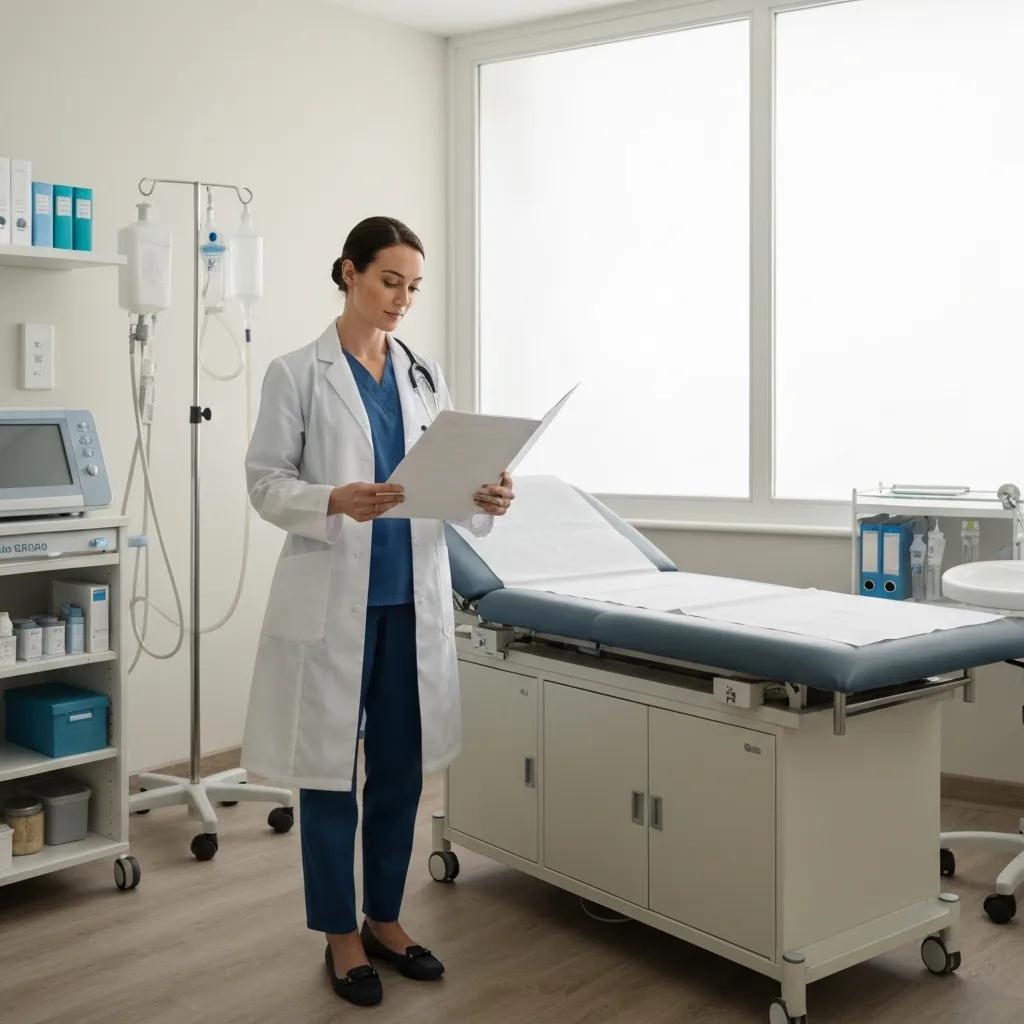
A pelvic exam is a focused gynecologic assessment clinicians use to look for physical clues of endometriosis—tender areas, nodules, limited organ mobility, or visible lesions. This article walks through each part of the exam, explains how specific findings correspond to disease patterns such as deep infiltrating endometriosis or endometrioma, and clarifies why the exam is one piece of a larger diagnostic pathway. Superficial lesions are often missed on exam, which can delay diagnosis; that’s why we describe how a thorough history, targeted imaging, and, when necessary, laparoscopy complement the physical exam. You’ll find practical guidance on preparing for an exam, describing symptoms in ways that improve diagnostic accuracy, and the common next tests clinicians consider when exam findings raise concern. The sections that follow define the pelvic exam and its components, summarize key findings and their implications, compare exam accuracy with imaging and laparoscopy, offer preparation and communication tips, outline the typical diagnostic pathway, and explain when specialist referral can improve outcomes.
What Is a Pelvic Exam and How Does It Help Diagnose Endometriosis?

A pelvic exam is a structured sequence of external and internal checks designed to assess the uterus, ovaries, uterosacral ligaments, posterior cul-de-sac, and pelvic floor for signs that may indicate endometriosis. Clinicians use visual inspection, a speculum exam, and bimanual palpation to note tenderness, masses, restricted mobility, or nodularity—findings that raise or lower the likelihood of disease. The exam helps localize symptoms and guides whether targeted imaging or surgical planning is needed. Knowing what each step is for makes it easier to understand how exam findings shape next diagnostic decisions and supports shared decision-making with your care team.
What Happens During a Pelvic Exam for Endometriosis?
After obtaining consent, the clinician will inspect the external genital area for skin changes or swelling, then use a speculum to view the cervix and check for visible lesions or bleeding. A bimanual exam follows: one hand on the abdomen and two fingers in the vagina to assess uterine size, ovarian fullness, and mobility of the pelvic organs—this palpation identifies areas of pain and can reproduce cyclical symptoms. If deep disease is suspected, a rectovaginal exam may be added to feel the uterosacral ligaments, posterior cul-de-sac, and rectovaginal septum for nodularity. Throughout, clinicians should use comfort measures and clear communication to minimize anxiety and allow more focused examination.
How Does a Pelvic Exam Detect Signs of Endometriosis?
The pelvic exam detects endometriosis indirectly by revealing physical consequences of the disease: localized tenderness suggests active inflammation or adhesions, nodules along the uterosacral ligaments point toward deep infiltrating disease, and reduced uterine mobility often reflects adhesions or scarring. Many superficial peritoneal implants are not palpable because of their size or location, so the exam raises or lowers pre-test probability rather than providing a definitive diagnosis. Correlating exam findings with a detailed history—for example, cyclical bowel pain or severe dysmenorrhea—helps clinicians decide which imaging or surgical steps to pursue next. Knowing the exam’s limits sets realistic expectations for diagnosis.
What Are the Key Pelvic Exam Findings That Suggest Endometriosis?
Exam findings that increase suspicion for endometriosis include focal pelvic tenderness, palpable nodularity along the uterosacral ligaments or posterior fornix, an adnexal mass consistent with an endometrioma, and reduced uterine mobility suggesting adhesions. Different findings point to different disease patterns: uterosacral nodularity often indicates deep infiltrating disease, adnexal masses commonly represent ovarian endometriomas, and a fixed retroverted uterus suggests more extensive adhesive disease. These signs shape clinical judgment and influence whether transvaginal ultrasound, pelvic MRI, or specialist referral is the most appropriate next step. Mapping findings to likely diagnoses helps patients understand the reasoning behind recommended tests and referrals.
The most suggestive exam findings include:
- Localized pelvic tenderness: Pain felt during targeted palpation that helps localize likely implant sites.
- Uterosacral ligament nodularity: Firm nodules felt behind the uterus that often indicate deep infiltrating disease affecting bowel or bladder.
- Adnexal mass or cystic fullness: A palpable ovarian mass that may represent an endometrioma and warrants targeted imaging.
These findings guide decisions about focused imaging or surgical consultation based on where disease is most likely and which symptoms are reproduced on exam.
Introductory table mapping common exam findings to clinical implications:
How Accurate Is the Pelvic Exam for Diagnosing Endometriosis?
The pelvic exam raises clinical suspicion for endometriosis but cannot confirm it on its own: many lesions are microscopic or lie where palpation is insensitive. The exam has moderate sensitivity for large endometriomas and deep nodules but low sensitivity for superficial peritoneal implants. Examiner experience and patient tolerance also affect accuracy. Combining a careful history, focused physical exam, and appropriate imaging increases diagnostic yield and helps determine whether diagnostic laparoscopy is needed for histologic confirmation. Understanding these strengths and limitations helps clinicians choose when noninvasive testing is sufficient and when surgical diagnosis may be necessary.
Limitations include variability between examiners, patient discomfort that limits assessment, and the inability to detect small or superficial lesions on peritoneal surfaces. Therefore, a normal pelvic exam does not rule out endometriosis—especially when the history includes classic symptoms such as cyclical pelvic pain, dyschezia, or infertility. If exam findings are unclear but clinical suspicion remains high, advanced imaging or diagnostic laparoscopy is typically recommended to obtain definitive information. Recognizing the exam’s diagnostic boundaries supports timely escalation when needed.
Comparison of diagnostic approaches—strengths and limitations:
What Are the Limitations of Pelvic Exams in Endometriosis Diagnosis?
Pelvic exams can miss disease for several reasons: superficial peritoneal implants are often nonpalpable, small endometriomas may be below detection thresholds, and pain or guarding can obscure findings. Examiner experience and the specific technique used—for example, performing a rectovaginal exam—affect sensitivity for deep lesions, and variability between practitioners reduces reproducibility. Because of these limits, clinicians combine history, focused exam, imaging, and, when necessary, diagnostic laparoscopy to reach a diagnosis. Recognizing when exam results are insufficient prevents false reassurance and supports timely referral or further testing. Read more in Detecting Endometriosis with Pelvic Exams.
How Does Patient History Enhance Pelvic Exam Accuracy?
A detailed history significantly improves the exam’s diagnostic value by directing the clinician to likely disease sites and symptom patterns that align with specific exam maneuvers. Important historical details include the timing and cyclical nature of pain, bowel or bladder symptoms tied to menses, infertility history, and responses to prior hormonal treatments; these guide whether a rectovaginal exam or directed tenderness testing is needed. For example, cyclical rectal pain raises the likelihood of posterior deep infiltrating disease and warrants careful evaluation of the uterosacral ligaments. Integrating history and exam findings produces a more focused assessment and informs appropriate imaging or operative planning.
How Should Patients Prepare for an Endometriosis Pelvic Exam?
Preparing ahead of the visit helps patients share useful information and reduces anxiety, which improves the quality of the assessment. Practical steps include documenting symptom timing and severity, bringing prior imaging or surgical records, wearing comfortable clothing, and discussing pain control preferences with the clinician before the exam. Emotional preparation—such as identifying a support person, asking about a chaperone, or requesting breaks during the exam—empowers patients and improves communication. These steps make the visit more efficient and increase the likelihood that exam findings will meaningfully inform diagnosis. We cover this further in Comprehensive Guide: Endometriosis Assessment Best Practices.
Patients can use a short checklist to prepare for the visit:
- Symptom journal: Track pain timing, menstrual links, and bowel/bladder triggers for at least one cycle.
- Medical records: Bring prior imaging reports, operative notes, and medication histories that could affect diagnosis.
- Comfort measures: Choose comfortable clothing and discuss options for analgesia or relaxation techniques with the clinic beforehand.
These preparations help clinicians correlate the physical exam with your lived experience and support targeted diagnostic decisions.
What Can Patients Expect During the Exam Process?
A pelvic exam for suspected endometriosis usually takes about 10–20 minutes and moves from consent and external inspection to speculum use and bimanual palpation, with a rectovaginal exam added if deep disease is suspected. Sensations range from mild pressure to brief discomfort when tender areas are palpated; clinicians should pause and modify technique if pain is severe. After the exam, clinicians may order a transvaginal ultrasound, pelvic MRI, or arrange diagnostic laparoscopy depending on findings and the patient’s goals. Clear expectations about exam duration and possible follow-up help reduce anxiety and assist with logistical planning, such as transportation after a procedure.
How Can Patients Communicate Symptoms Effectively During the Exam?
Clear, specific descriptions are most helpful: note timing (for example, whether pain is tied to your period), quality (sharp, dull, cramping), triggers (bowel movements, intercourse), and intensity on a 0–10 scale when possible. Mention fertility concerns, prior responses to hormonal therapy, and any bowel or urinary symptoms—these details direct the clinician to relevant anatomic areas and increase the exam’s yield. Simple phrases can guide the clinician, for example: “My pelvic pain peaks the day before my period and worsens with bowel movements.” Bringing a brief symptom log to the visit makes it easier to link history with exam findings and plan next steps. You may also find The Crucial Role of Pelvic Exams in Endometriosis Detection helpful.
What Are the Next Diagnostic Steps After a Pelvic Exam for Endometriosis?
If the pelvic exam raises concern for endometriosis, clinicians typically consider transvaginal ultrasound, pelvic MRI, or diagnostic laparoscopy depending on where disease appears most likely, symptom severity, and fertility goals. Transvaginal ultrasound is excellent at identifying ovarian endometriomas and assessing adnexal masses; pelvic MRI is more helpful for mapping deep infiltrating disease and complex pelvic anatomy before surgery. Diagnostic laparoscopy remains the gold standard because it allows direct visualization and biopsy for histologic confirmation and can offer definitive excision when appropriate. The chosen next step depends on how the exam localized disease, whether preoperative mapping is needed, and shared decision-making about management.
Introductory table that clarifies when each test is recommended after concerning exam findings:
When Is Advanced Imaging Like Ultrasound or MRI Recommended?
Advanced imaging is recommended when the pelvic exam finds an adnexal mass, uterosacral nodularity, or a fixed retroverted uterus—signs that suggest deep or multifocal disease—or when precise mapping will change surgical planning. Transvaginal ultrasound is the first-line test for suspected ovarian endometriomas, offering high sensitivity when performed by experienced operators. Pelvic MRI is preferred when deep infiltrating disease or complex pelvic anatomy is suspected because it better delineates lesion extent, pelvic floor involvement, and possible ureteral or bowel encroachment. Choosing the right modality improves preoperative planning and helps determine whether a multidisciplinary surgical team is needed. For more detail, see our article Discover How Pelvic Ultrasound Helps Diagnose Endometriosis.
Why Is Laparoscopy Considered the Gold Standard for Diagnosis?
Diagnostic laparoscopy is the gold standard because it enables direct visualization of peritoneal surfaces, targeted biopsy for histologic confirmation, and the opportunity for definitive excision of disease during the same procedure. Histology confirms diagnosis and informs staging, which guides longer-term management including hormonal or surgical options tied to fertility goals. Because laparoscopy is invasive and requires surgical expertise, it is generally reserved for cases where noninvasive tests are inconclusive, symptoms are severe, or the patient is seeking definitive treatment. Understanding laparoscopy’s role clarifies why it remains central to diagnosis and definitive care in many cases.
Why Is Consulting an Endometriosis Specialist Important After Diagnosis?

Seeing an endometriosis specialist improves diagnostic accuracy, aligns treatment with your goals, and lowers the risk of incomplete surgical management—especially for deep infiltrating disease that requires precise excision. Specialists bring advanced surgical skills and coordinate care across radiology, colorectal, urology, fertility, and pelvic floor services to address the full scope of a patient’s needs. Specialist evaluation supports individualized choices between conservative medical therapy and operative management and optimizes perioperative planning to minimize recurrence and preserve fertility when possible. For these reasons, referral to a specialist is recommended when exam or imaging suggests deep or complex disease, or when prior treatments have not provided relief.
Specialist care at focused centers like Endo Excellence Center combines personalized, multidisciplinary treatment with a focus on excision surgery as a key therapeutic option for many patients. The center addresses pelvic pain, bowel and bladder symptoms, fertility goals, and emotional well-being through minimally invasive techniques and coordinated care. Led by Dr. Rachael Haverland, a board-certified specialist trained at the Mayo Clinic, the team prioritizes accurate diagnosis and treatment plans tailored to each patient’s priorities. Consider specialist referral when exam or imaging suggests deep infiltrating disease, complex pelvic anatomy, or when fertility preservation is an important goal.
How Does Specialist Expertise Improve Diagnosis and Treatment Outcomes?
Specialist expertise improves outcomes by combining precise diagnostic interpretation with surgical experience in excision techniques that aim to remove disease thoroughly while preserving normal anatomy whenever possible. Experienced teams tailor imaging protocols, use specialist ultrasound and MRI interpretation for mapping, and plan multidisciplinary operative approaches when bowel, bladder, or ureteral involvement is suspected. This coordination lowers rates of incomplete excision and repeat surgery, and it integrates fertility and pelvic floor considerations into the initial care plan. Specialist oversight helps translate exam and imaging findings into a comprehensive treatment pathway designed to maximize symptom relief and long-term quality of life.
What Treatment Options Follow a Confirmed Diagnosis?
After a confirmed diagnosis, treatment options include conservative medical management—such as hormonal suppression and pain control—surgical excision to remove visible disease and restore pelvic anatomy, and fertility-directed strategies for those trying to conceive. The best choice depends on disease extent, symptom burden, fertility goals, and prior treatment responses; multidisciplinary teams can combine medical, surgical, and rehabilitative approaches like pelvic floor therapy. Excision surgery is often recommended for deep infiltrating disease because it removes full-thickness lesions rather than just ablating surfaces, which may reduce recurrence and improve symptoms. Shared decision-making with a specialist ensures that treatment aligns with patient preferences and clinical priorities.
- Medical management: Hormonal suppression and analgesia to control pain when fertility is not an immediate priority.
- Surgical excision: Specialist removal of disease, particularly for deep lesions that affect bowel or bladder.
- Multidisciplinary care: Coordination with fertility, colorectal, urology, and pelvic floor specialists for comprehensive recovery.
These pathways illustrate how a confirmed diagnosis informs individualized care and why specialist involvement often improves long-term outcomes by aligning treatments with the anatomic and symptomatic pattern revealed by exam and imaging.
Frequently Asked Questions
What should I expect in terms of discomfort during a pelvic exam for endometriosis?
Some people feel mild discomfort during the pelvic exam, especially during bimanual palpation or a rectovaginal exam. Discomfort varies with individual pain sensitivity and the presence of underlying conditions like endometriosis. Clinicians will check in about your comfort and can modify their technique. Tell your provider if you’re in pain—your feedback both improves comfort and helps the clinician gather more accurate diagnostic information.
How can I track my symptoms effectively before the pelvic exam?
Keep a symptom journal for at least one menstrual cycle, noting timing, intensity, and quality of pain plus any bowel or bladder symptoms. Record when symptoms occur relative to your period and list prior treatments and their effects. This information gives clinicians clearer context and helps link your history to exam findings and the next diagnostic steps.
What role does imaging play after a pelvic exam?
Imaging complements the pelvic exam by revealing lesion location and extent. Transvaginal ultrasound is often the first-line test for suspected ovarian endometriomas and adnexal masses. If deep infiltrating disease is suspected, pelvic MRI can map lesion extent and complex pelvic anatomy. Imaging helps guide management decisions and surgical planning when needed.
How can I prepare emotionally for a pelvic exam?
Emotional preparation can reduce anxiety. Consider bringing a trusted support person, ask about a chaperone if that would help, and discuss the exam steps with your clinician beforehand so you know what to expect. Simple relaxation techniques—deep breathing, progressive muscle relaxation, or guided visualization—can help during the exam. Let your clinician know if you need breaks or adjustments to the exam process.
What should I do if my pelvic exam results are inconclusive?
If the exam is inconclusive but clinical concern remains, talk with your clinician about further testing—such as transvaginal ultrasound, pelvic MRI, or diagnostic laparoscopy for direct visualization and biopsy. An inconclusive exam doesn’t rule out endometriosis, so open communication and appropriate follow-up are important to get the answers you need.
Why is it important to consult a specialist after a diagnosis of endometriosis?
Consulting an endometriosis specialist ensures care that is tailored to your symptoms, anatomy, and reproductive goals. Specialists have advanced training in diagnosis and excision surgery and coordinate multidisciplinary care when bowel, bladder, or fertility issues are involved. A specialist can help you weigh medical versus surgical options and plan treatment that best supports symptom relief and long-term quality of life.
Conclusion
A pelvic exam is a valuable initial tool in assessing for endometriosis, helping identify physical signs and guiding appropriate next steps. When combined with a thorough history, targeted imaging, and, when needed, diagnostic laparoscopy, the exam becomes part of a clear, patient-centered diagnostic pathway. Preparing ahead and communicating specific symptoms improves the exam’s usefulness. If findings or symptoms suggest deeper or complex disease, consider consulting a specialist for personalized care and coordinated treatment planning.