

Endometriosis is a chronic gynecologic condition where tissue similar to the uterine lining grows outside the uterus. Contrary to a common misconception, its symptoms can persist or even emerge for the first time after menopause. This article will guide you through how postmenopausal endometriosis presents, why pain and lesions may continue despite lower estrogen levels, and the practical diagnostic and treatment pathways available for women in this stage of life.
You’ll discover the key symptoms to recognize, the comprehensive approach clinicians use (including history, physical exam, imaging, and the vital role of laparoscopy), non-hormonal and surgical management options, and how hormone replacement therapy (HRT) might interact with existing disease. We also address common diagnostic pitfalls where endometriosis is mistakenly attributed to conditions like IBS or interstitial cystitis, and offer lifestyle and rehabilitation strategies for long-term well-being. For those seeking expert evaluation, specialized endometriosis centers like the Endo Excellence Center—led by Dr. Rachael Ann Haverland, with her distinguished training from Mayo Clinic and the University of Minnesota—provide multidisciplinary assessment and surgical expertise for even the most complex postmenopausal cases.
Understanding Common Endometriosis Symptoms After Menopause

After menopause, endometriosis most often manifests as persistent pelvic pain that isn’t tied to your menstrual cycle. This pain reflects ongoing lesion activity, inflammation, or nerve sensitization, rather than monthly hormone shifts. Many women experience deep, non-cyclical pelvic pain, painful intercourse (dyspareunia), and discomfort in their bowel or bladder, symptoms that can closely mimic other chronic pelvic conditions. Recognizing these specific features is crucial, as endometriosis is often overlooked in older patients, with symptoms frequently attributed to aging or pelvic floor dysfunction. The following lists detail both common and less frequent symptoms, offering important clinical insights for evaluation.
Key postmenopausal symptoms to be aware of:
- Chronic, non-cyclical pelvic pain that feels deep, localized, or has neuropathic qualities (like burning or shooting sensations).
- Pain during intercourse (dyspareunia), often deep and triggered by penetration.
- Bowel issues such as painful bowel movements, constipation, or bloating.
- Bladder symptoms including urgency, frequent urination, or pain with urination.
Since these symptoms can overlap with other pelvic conditions, a targeted evaluation is essential when standard gastrointestinal or urologic tests don’t provide clear answers.
What pelvic pain symptoms suggest postmenopausal endometriosis?
Deep, localized pelvic pain that is constant or triggered by movement can strongly indicate pelvic endometriosis, even after menopause. This is especially true if the pain has neuropathic characteristics, such as burning, electric shock sensations, or radiating into the lower back or legs. Pain that is pinpointed during a pelvic exam, or that intensifies with bowel movements or sexual activity, should raise suspicion for deep infiltrating disease or nerve entrapment due to scarring. Differentiating these neuropathic descriptions from generalized musculoskeletal pain helps prioritize a gynecologic evaluation and advanced imaging. This precise pain mapping approach helps narrow down potential diagnoses and guides decisions on whether surgical exploration might be beneficial.
How do bowel and bladder symptoms appear after menopause?
Bowel and bladder involvement often presents as intermittent or persistent pain linked to defecation, urinary urgency, frequency, or painful urination. These symptoms can easily be mistaken for IBS or interstitial cystitis, leading to repeated GI or urologic testing without conclusive findings. Clues that point towards endometriosis include specific pelvic tenderness on examination, pain that correlates with pelvic activity, and visceral pain localized to a particular pelvic area. A multidisciplinary assessment—involving gynecology, gastroenterology, and urology—can significantly improve diagnostic accuracy when initial tests are inconclusive. If GI and urologic evaluations don’t explain your symptoms, a referral for gynecologic imaging or specialist review is highly recommended.
What about less common signs like fatigue and painful intercourse after menopause?
Systemic symptoms such as persistent fatigue, low-grade pelvic discomfort, and sexual dysfunction frequently accompany pelvic pain. These reflect the broader impact of chronic inflammation, disrupted sleep, and central sensitization. Painful intercourse after menopause can also be exacerbated by vaginal atrophy or pelvic floor muscle tension, often requiring a combined approach of pelvic floor therapy and gynecologic expertise. Addressing these non-specific symptoms calls for a comprehensive biopsychosocial strategy, including pain psychology, pelvic rehabilitation, and targeted symptom management, all aimed at restoring sexual function and improving your overall quality of life.
Recognizing these symptoms early allows for precise interventions that can significantly reduce their impact on your daily life.
Why Endometriosis Can Persist or Return After Menopause
Endometriosis can continue to affect you or even reappear after menopause due to several complex biological mechanisms that maintain lesion activity and pain, even when your systemic estrogen levels are low. Chronic inflammation—driven by immune cells like macrophages and mast cells, along with local cytokine production—creates a self-perpetuating painful environment that sustains discomfort. Furthermore, nerve sensitization and physical nerve entrapment can lead to neuropathic pain that doesn’t depend on cyclical hormones. Lastly, some lesions may develop a degree of estrogen independence or be reactivated by external hormones, explaining why symptoms can recur in certain postmenopausal patients. Understanding these underlying mechanisms helps our clinicians develop targeted non-hormonal anti-inflammatory and neuromodulatory strategies, alongside surgical options, to provide lasting relief. We cover this further in Understanding Endometriosis Symptoms in Menopause – A Guide.
How does chronic inflammation contribute to postmenopausal endometriosis pain?
Chronic inflammation in endometriosis involves immune cells like macrophages and mast cells, along with elevated cytokines, which sensitize peripheral nerves and maintain local tissue irritation, entirely independent of your menstrual cycle. This inflammatory environment encourages the formation of fibrosis and adhesions, which can physically distort pelvic anatomy and perpetuate pain signals. Clinically, anti-inflammatory medications, dietary adjustments to reduce systemic inflammation, and targeted physical therapies can significantly lessen your symptom burden, even when hormonal therapy isn’t suitable. Therefore, addressing inflammation is key to both non-surgical symptom control and better outcomes if surgery becomes necessary later.
What role do nerve damage and estrogen-independent growth play?
Nerve damage and entrapped nerve fibers within scar tissue or deep lesions can produce neuropathic symptoms such as burning, tingling, or radiating pain. These symptoms often persist even after ovarian estrogen levels decline. Additionally, some endometriosis implants can produce estrogen locally or activate alternative growth pathways, allowing them to survive with relative estrogen independence. These mechanisms explain why symptoms may continue and why interventions focused on nerve modulation, surgical nerve-sparing excision, or the removal of fibrosis may be necessary to achieve lasting pain relief.
Diagnosing Endometriosis in Postmenopausal Women
Diagnosing postmenopausal endometriosis involves a careful, stepwise approach: starting with a detailed history and pelvic exam, followed by selective imaging (such as transvaginal ultrasound and pelvic MRI), and ultimately, diagnostic laparoscopy with excisional surgery when appropriate. Clinical evaluation and symptom checklists, specifically designed for postmenopausal presentations, guide the choice of imaging. Ultrasound and MRI then provide complementary insights, mapping endometriomas and deep infiltrating disease. Laparoscopic excision remains the gold standard for diagnosis because it allows for direct visualization, precise lesion mapping, and definitive histologic confirmation—transforming what might otherwise be a diagnostic challenge into a clear path toward therapeutic relief.
To help you understand the process, here’s a comparative table of diagnostic modalities that guide our clinicians in choosing the most appropriate investigations:
This comparison highlights why imaging, while valuable, often complements rather than replaces surgical diagnosis in many postmenopausal cases. Laparoscopy offers both diagnostic certainty and the opportunity for definitive treatment.
When imaging results are inconclusive, but symptoms are severe or worsening, a specialist referral is highly recommended. The Endo Excellence Center, under the expert leadership of Dr. Rachael Ann Haverland (trained at Mayo Clinic and the University of Minnesota), emphasizes a multidisciplinary evaluation. We offer unparalleled expertise in surgical mapping and excision for complex cases, which can be particularly beneficial when non-invasive tests leave you with unanswered questions.
Effective Treatment Options for Endometriosis After Menopause

Treatment for endometriosis after menopause focuses on non-hormonal medical therapies, precise surgical excision when necessary, and supportive rehabilitation approaches to restore your function and enhance your quality of life.
Non-hormonal options aim for symptomatic control using analgesics, neuropathic pain medications, anti-inflammatory strategies, and pelvic floor therapy. When structural lesions or a significant symptom burden are present, laparoscopic excision performed by an experienced surgeon can provide lasting relief by removing the disease and releasing adhesions. Complementary therapies—including pelvic rehabilitation, pain psychology, acupuncture, and lifestyle adjustments—support your recovery and can reduce your reliance on medications. The table below outlines common postmenopausal treatment options, summarizing their mechanisms, expected benefits, and important considerations.
This treatment framework emphasizes personalized care: conservative measures for mild-to-moderate symptoms, and surgical excision for localized disease or when non-surgical strategies haven’t provided sufficient relief.
What non-hormonal medical treatments are available for postmenopausal endometriosis?
Non-hormonal pharmacologic options include NSAIDs for inflammatory pain, neuropathic agents like SNRIs or gabapentin for nerve-related symptoms, and topical or local therapies for specific pelvic pain points. These medications are designed to reduce pain signals and central sensitization while carefully avoiding estrogen exposure that could potentially stimulate residual lesions. Pelvic floor physical therapy, pain psychology interventions, and referrals to multidisciplinary pain programs complement these medications by addressing musculoskeletal and central factors contributing to persistent pain. We carefully monitor for side effects and tailor doses to your symptom response, ensuring optimal safety and effectiveness.
How does endometriosis excision surgery benefit older women?
Excision surgery can effectively remove active lesions, free entrapped nerves, and release adhesions that perpetuate pain, offering the potential for significant and lasting symptom improvement. For postmenopausal patients, meticulous preoperative mapping and the surgeon’s experience are paramount, as older patients often have co-existing conditions and varying tissue characteristics. Typical outcomes include a reduction in pain, improved bowel and bladder function when affected, and an enhanced quality of life. However, candidacy must be carefully individualized based on your symptom severity, imaging findings, and overall health. Specialized centers with multidisciplinary perioperative care can minimize complications and support your recovery, making surgical pathways safer and more effective.
When considering surgery, the expertise of your operating surgeon and the availability of comprehensive multidisciplinary support—including collaboration with colorectal or urologic specialists when needed—are crucial for optimal outcomes. The Endo Excellence Center specializes in endometriosis excision surgery and multidisciplinary planning, led by Dr. Rachael Ann Haverland, providing surgical expertise perfectly suited for complex postmenopausal presentations.
What complementary therapies support symptom management after menopause?
Complementary approaches—such as pelvic floor physical therapy, cognitive behavioral therapy (CBT) for pain coping, acupuncture, and personalized nutrition—address the functional and psychosocial aspects of chronic pelvic pain. Pelvic floor therapy helps reduce muscle tension and improves sexual function, while CBT can lessen pain catastrophizing and enhance your coping strategies. Acupuncture and structured exercise programs may offer additional symptom control for some women. Integrating these modalities with medical or surgical care creates a holistic pathway that improves long-term outcomes and can reduce your reliance on medications.
The Impact of Hormone Replacement Therapy on Endometriosis After Menopause
Hormone Replacement Therapy (HRT) can sometimes exacerbate or reactivate endometriosis symptoms because exogenous estrogen has the potential to stimulate residual lesions. However, the risk varies significantly based on the type of HRT, dosage, and your individual disease history. Decisions about HRT for women with a history of endometriosis require a thorough risk-benefit assessment, informed consent, and a clear monitoring plan. Generally, clinicians consider the lowest effective estrogen doses, the use of combined regimens when appropriate, and close follow-up for any symptom recurrence. The table below provides a concise overview of HRT types and their typical implications for endometriosis risk and monitoring, serving as a helpful guide for clinicians.
This table clarifies how different HRT regimens may affect endometriosis activity and outlines commonly recommended precautions.
Can HRT worsen or trigger endometriosis symptoms postmenopause?
Yes, HRT can worsen or reactivate endometriosis in some women because external estrogen can stimulate residual implants or pockets of disease, particularly in those with a history of deep infiltrating lesions or known residual disease after surgery. The exact risk depends on the dose, administration route, and the presence of residual lesions; even low systemic exposure has occasionally been linked to symptom flare-ups. Careful patient selection and collaborative planning with an endometriosis specialist can significantly reduce this risk, allowing you to find relief for menopausal symptoms while minimizing disease stimulation.
What precautions should postmenopausal women with endometriosis take regarding HRT?
Important precautions include using the lowest effective estrogen dose, considering combined estrogen-progestin regimens when suitable, and establishing a clear monitoring plan for any new pelvic pain or symptoms. A baseline pelvic imaging or review of your previous surgical findings can help inform the risk assessment. Patients should be advised to promptly report any new pelvic pain, bowel, or bladder symptoms. When there’s uncertainty, coordinating with an endometriosis specialist helps tailor HRT choices and surveillance to your unique needs.
Challenges in Diagnosing Endometriosis After Menopause
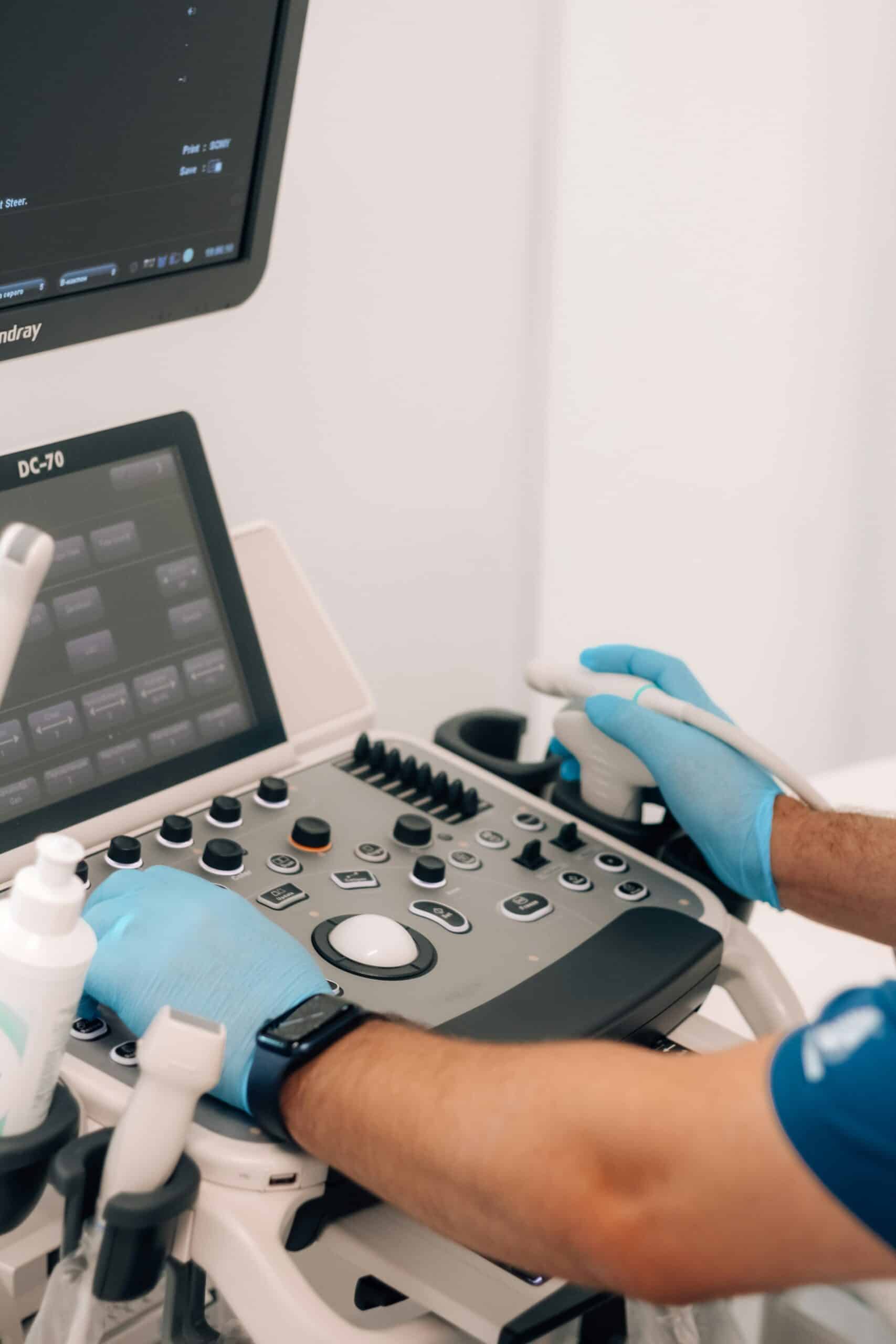
Diagnosing endometriosis after menopause presents unique challenges because clinicians often have a lower suspicion for the condition. Symptoms frequently overlap with those of IBS, IC, or pelvic floor disorders, and superficial lesions can easily be missed by standard imaging. These diagnostic pitfalls often lead to delays, which can increase the complexity of potential surgery, prolong suffering, and complicate management plans. Strategies to minimize misdiagnosis include maintaining a high awareness of postmenopausal presentations, utilizing symptom checklists, applying targeted imaging protocols, and referring to multidisciplinary teams when initial evaluations are inconclusive. The list below compares common mimic conditions and highlights key differentiators for clinicians. For more detail, see our article Debunking Common Myths About Menopause and Endometriosis.
The following items summarize common mimic conditions and practical differentiators to help clinicians effectively triage patients.
- Irritable Bowel Syndrome (IBS): Characterized by predominant bowel symptoms with relief after defecation; consider endometriosis when pelvic tenderness or painful intercourse is also present.
- Interstitial Cystitis (IC): Focuses on bladder-centric pain and urgency; suspect endometriosis when bladder symptoms occur alongside focal pelvic pain or gastrointestinal issues.
- Pelvic floor dysfunction: Involves pain with specific muscular triggers and responds well to pelvic rehabilitation; consider gynecologic causes if pain persists despite pelvic physical therapy.
Why is endometriosis often misdiagnosed as IBS, IC, or other pelvic conditions?
The significant overlap in symptoms—such as bowel pain, bladder urgency, and general pelvic discomfort—often leads to endometriosis being mistakenly attributed to IBS or IC. This is especially true when clinicians focus solely on organ-specific testing rather than adopting a comprehensive pelvic pain framework. Standard GI and urology tests may come back normal in endometriosis cases, further delaying a gynecologic evaluation. Red flags that should prompt consideration of endometriosis include specific pelvic tenderness, painful intercourse, and pain that correlates with physical activity or certain pelvic movements. A high index of suspicion and an integrated evaluation across specialties are crucial to reducing misdiagnosis.
How do diagnostic delays impact treatment outcomes in older women?
Diagnostic delays are unfortunately linked to prolonged chronic pain, more extensive adhesions and fibrosis, and potentially more complex surgery when endometriosis is finally identified. Older patients may therefore face more intricate operative procedures and longer recovery periods, and chronic pain can significantly diminish their function and overall quality of life. Earlier intervention by a specialist—guided by a thorough history, advanced imaging, and timely laparoscopy when indicated—greatly improves the likelihood of effective symptom control and a less invasive surgical course.
Empowering Postmenopausal Women to Manage Endometriosis

Long-term management of postmenopausal endometriosis involves a combination of symptom control, functional rehabilitation, and informed decisions about specialist referral when conservative measures are insufficient. Lifestyle strategies—including graded exercise, consistent sleep hygiene, anti-inflammatory nutrition, and stress reduction—are vital for pain modulation and overall well-being. Pelvic floor therapy and pain psychology can significantly improve sexual function and coping mechanisms, while selected complementary therapies may enhance other treatments. Clear guidelines for referral help patients understand when to seek specialized care for advanced diagnostic or surgical options.
Here’s a practical lifestyle checklist to support your day-to-day management and reduce symptom burden:
- Engage in graded aerobic and core-strengthening exercises to help reduce central sensitization.
- Practice pelvic floor relaxation techniques under the expert guidance of a pelvic physical therapist.
- Adopt anti-inflammatory dietary patterns, prioritize consistent, quality sleep, and manage stress through techniques like CBT or mindfulness.
- Utilize structured pain-coping strategies and consider joining peer support groups or multidisciplinary pain clinics when needed.
What lifestyle changes can enhance quality of life with postmenopausal endometriosis?
Exercise programs that focus on low-impact aerobic activity, progressive strengthening, and flexibility can reduce central sensitization and improve your function over time. Nutritional adjustments aimed at lowering systemic inflammation (such as increasing omega-3s and reducing ultra-processed foods), consistent sleep routines, and structured stress-reduction techniques like CBT or mindfulness also play a crucial role in modulating pain perception. Pelvic floor therapy addresses muscular contributions to painful intercourse and pelvic tension, supporting both sexual health and daily function. These lifestyle elements work together to reduce symptom intensity and build resilience.
When should patients seek specialized care at an Endometriosis Center of Excellence?
Patients should consider a specialist referral if they experience persistent, severe pelvic pain despite conservative therapy, if imaging suggests deep infiltrating disease or adenomyosis, or if bowel or bladder symptoms indicate organ involvement. Referral is also appropriate when diagnostic uncertainty remains after gastrointestinal and urologic evaluations, or when previous surgeries have failed to provide relief. Specialized centers offer comprehensive mapping, multidisciplinary planning, and expert surgical excision when indicated. If you are seeking this advanced level of care, we encourage you to request an evaluation at a specialty clinic like the Endo Excellence Center in Plano, TX, led by Dr. Rachael Ann Haverland, for a focused assessment and discussion of your excision surgery options.
Are there patient stories or testimonials about successful diagnosis and treatment?
Anonymized patient stories frequently highlight how an accurate diagnosis, followed by expert excision surgery and coordinated rehabilitation, leads to significant pain reduction and restored function. Typical narratives describe long diagnostic journeys involving multiple specialist visits, ultimately leading to targeted imaging and laparoscopy that provided both a definitive diagnosis and profound relief. These accounts consistently emphasize that multidisciplinary care—combining surgical expertise, pelvic physical therapy, and psychological support—are key contributors to sustained improvement. Sharing such examples helps patients understand realistic expectations for recovery and the immense value of integrated care pathways.
Frequently Asked Questions
What lifestyle changes can help manage endometriosis symptoms after menopause?
Embracing a healthy lifestyle can profoundly improve the quality of life for women navigating postmenopausal endometriosis. Regular, low-impact aerobic exercise, such as walking or swimming, is excellent for reducing pain and enhancing overall physical function. Additionally, adopting an anti-inflammatory diet—rich in omega-3 fatty acids, whole grains, and fresh produce—can significantly help manage symptoms. Crucially, stress management techniques, including mindfulness, cognitive behavioral therapy (CBT), and ensuring adequate sleep, are vital for reducing pain perception and fostering emotional well-being.
How can pelvic floor therapy assist women with endometriosis after menopause?
Pelvic floor therapy is an invaluable treatment option for women experiencing endometriosis symptoms after menopause. This specialized therapy focuses on retraining pelvic muscles, alleviating hypertonicity, and improving overall pelvic function. It can effectively reduce painful intercourse (dyspareunia) and enhance sexual health. By addressing muscular tension and dysfunction, pelvic floor therapy also helps manage associated bowel and bladder symptoms, leading to a significantly improved quality of life. Working with a trained pelvic physical therapist provides you with tailored exercises and techniques to support your recovery and achieve lasting symptom relief.
What are the potential risks of hormone replacement therapy (HRT) for women with a history of endometriosis?
Hormone replacement therapy (HRT) can indeed present risks for women with a history of endometriosis, as exogenous estrogen has the potential to stimulate residual lesions, which could worsen symptoms. The specific risk varies depending on the type of HRT, its dosage, and your individual medical history. Women considering HRT should engage in a thorough, open discussion with their healthcare provider to carefully weigh the benefits against these potential risks. Close monitoring for any symptom recurrence and adjusting treatment plans accordingly are crucial to ensure safe and effective management of menopausal symptoms while minimizing endometriosis-related complications.
What should women do if they suspect they have endometriosis after menopause?
If you suspect you have endometriosis after menopause, it is absolutely essential to seek prompt medical evaluation. A healthcare provider can conduct a comprehensive assessment, including a detailed medical history, a thorough pelvic examination, and appropriate imaging studies. If initial evaluations are inconclusive, a referral to a specialist or a dedicated endometriosis center may be warranted for further investigation and potential laparoscopic diagnosis. Early intervention can lead to more effective management and a significantly improved quality of life, so addressing your concerns with a healthcare professional is a vital first step. You may also find Endometriosis Diagnosis After Menopause: What to Expect helpful.
How can multidisciplinary care improve outcomes for women with postmenopausal endometriosis?
Multidisciplinary care is paramount for women with postmenopausal endometriosis, as it brings together a diverse team of specialists to address the complex nature of the condition. This collaborative approach can include gynecologists, pain management experts, physical therapists, and mental health professionals, all working in concert to create a truly comprehensive treatment plan. By integrating various perspectives and specialized expertise, patients receive tailored interventions that address both the physical and psychological aspects of their condition, leading to improved symptom management, enhanced quality of life, and ultimately, better overall outcomes.
What are the common misconceptions about endometriosis after menopause?
One prevalent misconception is that endometriosis cannot occur after menopause due to declining estrogen levels. However, many women experience persistent or even new symptoms post-menopause, as endometriosis can remain active or reactivate due to various factors, including chronic inflammation and nerve damage. Additionally, symptoms may be mistakenly attributed to aging or other conditions, leading to delays in diagnosis. Understanding that endometriosis can continue to affect women after menopause is crucial for timely recognition and appropriate, effective management of the condition. We cover this further in Understanding Endometriosis Diagnosis After Menopause.
Your Path to Relief: Endometriosis Care After Menopause
Understanding endometriosis after menopause is a crucial step toward effective diagnosis and management, especially since symptoms can often be misattributed to other conditions. By recognizing the unique ways it presents and embracing a multidisciplinary approach, you can access tailored treatment options that will significantly improve your quality of life. If you or someone you know is experiencing persistent pelvic pain, we encourage you to consider seeking evaluation at a specialized center like the Endo Excellence Center for comprehensive, compassionate care. Explore our resources to learn more about effectively managing endometriosis and reclaiming your comfort. We cover this further in Endometriosis After Menopause: What You Need to Know.