
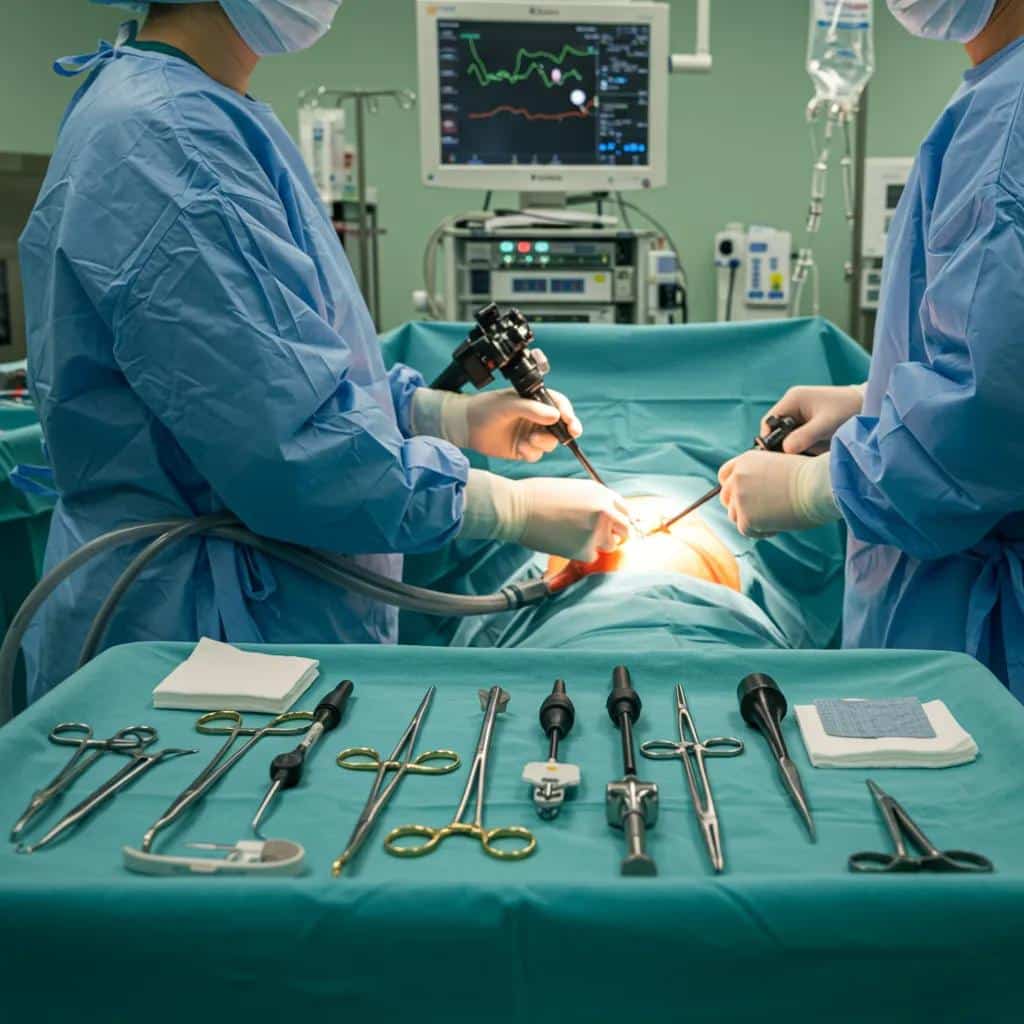
Endometriosis is a chronic condition where tissue similar to the uterine lining grows outside the uterus, often causing pelvic pain, fertility challenges, and inflammation that affects nearby organs. Laparoscopic surgery offers both a diagnostic and therapeutic advantage by allowing surgeons to directly visualize, biopsy, and remove endometriosis lesions through small, minimally invasive incisions.
This guide explains how laparoscopy serves as the gold standard for diagnosing endometriosis and why excision surgery remains the most effective treatment for lasting pain relief and fertility preservation. You’ll learn what to expect before, during, and after surgery, how excision differs from ablation, and why multidisciplinary collaboration is essential for complex cases involving the bowel, bladder, or reproductive organs.
By outlining key steps in surgical preparation, recovery, and long-term management, this resource helps patients and clinicians navigate the decision-making process with confidence, combining medical accuracy, practical insights, and evidence-based recommendations for optimal outcomes.
What Is Laparoscopic Surgery and Why Is It the Gold Standard for Endometriosis Diagnosis
Laparoscopic surgery is a minimally invasive procedure that uses small incisions and a camera-equipped instrument (laparoscope) to examine the pelvic cavity. The abdomen is gently inflated to create working space, allowing surgeons to visualize, biopsy, and remove lesions with precision. This combination of direct visualization and tissue sampling provides a definitive diagnosis that imaging alone cannot achieve. Laparoscopy also enables accurate staging and mapping of endometriosis while offering faster recovery compared to open surgery.
How Does Laparoscopy Provide a Definitive Endometriosis Diagnosis?
During diagnostic laparoscopy, surgeons identify characteristic lesions—such as superficial implants, adhesions, and deep nodules—by inspecting the pelvic organs in detail. When necessary, small tissue samples are collected for histopathological confirmation. Pathologists then analyze these samples for glandular and stromal tissue consistent with endometriosis. Combining visual assessment with biopsy ensures the most accurate diagnosis and informs the surgical plan for complete excision if needed.
What Are the Key Benefits of Laparoscopy for Diagnosis?
Laparoscopy offers several clinical advantages:
- Diagnostic accuracy: Direct visualization and biopsy confirm endometriosis with high certainty.
- Therapeutic opportunity: Surgeons can remove visible lesions and adhesions during the same procedure.
- Comprehensive mapping: Disease staging and multidisciplinary planning become more precise, improving coordination for complex cases involving the bowel or bladder.
These benefits allow for earlier, targeted treatment and support fertility preservation when appropriate.
How Does Biopsy Confirm Endometriosis During Laparoscopy?
A biopsy taken during laparoscopy confirms endometriosis by revealing endometrial-like glands and stroma under microscopic examination. Samples are obtained using fine instruments or excisional techniques for detailed analysis. Because small or fibrotic lesions may be missed, surgeons correlate visual findings with pathology reports to ensure diagnostic accuracy. This combined approach establishes a clear diagnosis and guides the next steps in personalized treatment planning.
How Is Laparoscopic Excision Surgery Performed for Endometriosis Treatment?
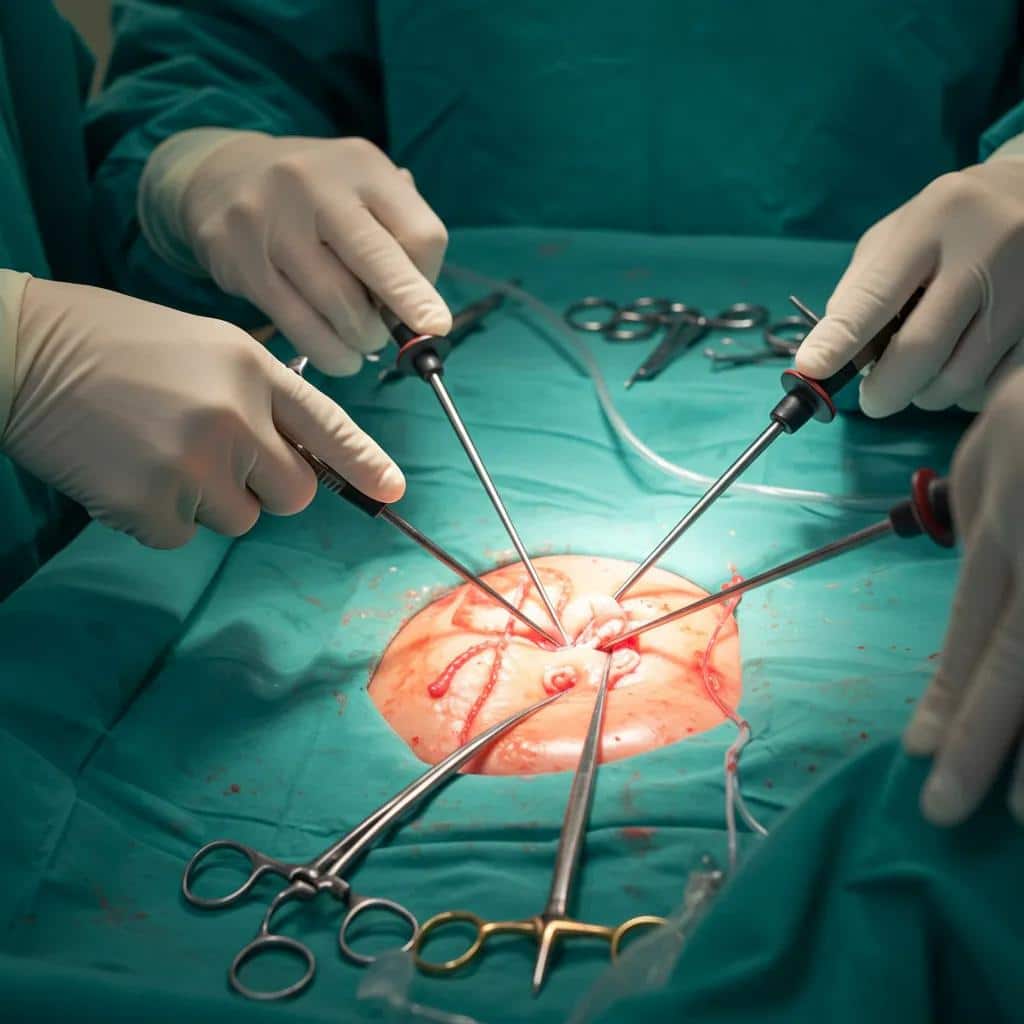
Laparoscopic excision surgery involves carefully removing endometriosis lesions at their root to restore normal pelvic anatomy and reduce inflammation. Unlike surface destruction methods, excision eliminates both visible and underlying disease tissue, which leads to longer-lasting pain relief and improved fertility outcomes. It is the preferred approach for superficial and deep infiltrating endometriosis, endometriomas, and cases where fertility preservation is a priority. Successful excision requires precise preoperative planning, accurate specimen handling, and coordination with colorectal or urologic specialists when the bowel or bladder is involved. You may also find Is Laparoscopic Surgery Worth the Investment for Endometriosis helpful.
What Makes Excision Surgery More Effective Than Ablation
Excision removes the entire lesion, including its margins, lowering the risk of recurrence and ensuring more complete disease control. Ablation, by contrast, destroys only the surface layer, leaving deeper disease untreated and increasing the likelihood of symptom return. Excision also allows for tissue analysis and detailed staging, which ablation does not. These differences make excision the preferred choice for complex or fertility-related cases.
How Does Excision Surgery Improve Long-Term Pain Relief and Fertility
Excision directly removes the sources of inflammation and nerve irritation, offering lasting relief from pelvic pain. By restoring normal ovarian and tubal anatomy and removing endometriomas, it can also enhance fertility potential. Individual results depend on factors such as age, disease severity, and prior treatments, but most patients experience improved pain control and better reproductive outcomes after complete lesion removal.
What Are the Surgical Steps Involved in Endometriosis Excision
Endometriosis excision follows a structured process designed to ensure precision and safety:
- Preoperative planning: Review imaging to map disease and coordinate with specialists if needed.
- Surgical access: Insert trocars and gently inflate the abdomen for optimal visibility.
- Lesion removal: Excise all visible disease while preserving healthy tissue and organ function.
- Pathology submission: Label and send specimens for analysis to confirm diagnosis and guide follow-up care.
This systematic approach helps ensure thorough removal, accurate diagnosis, and smoother recovery for patients undergoing minimally invasive excision.
What Should Patients Expect During the Laparoscopic Endometriosis Surgery Journey
Patients undergoing laparoscopic endometriosis surgery can expect a structured, team-based process from diagnosis through recovery. The journey begins with a thorough evaluation and shared decision-making, followed by a minimally invasive surgical procedure and coordinated postoperative care. This approach aims to reduce uncertainty, ensure safety, and optimize long-term results. We cover this further in Is Laparoscopic Surgery Right for Your Endometriosis.
Preoperative preparation focuses on health optimization and logistics. During surgery, the team prioritizes complete and safe excision with careful tissue handling. Postoperatively, patients receive personalized pain management, recovery guidance, and referrals to pelvic floor physical therapy or bowel/bladder specialists if needed. Clear communication about recovery timelines helps patients return to normal activities with confidence.
How to Prepare for Laparoscopic Endometriosis Surgery
Preparation includes completing preoperative tests, reviewing medications with your provider, and arranging transportation and home support. Imaging such as ultrasound or MRI may be performed to map disease before surgery. Patients should follow instructions regarding fasting, bowel prep, and anesthesia expectations. Discussing fertility goals and mental preparation can help align surgical planning and consent.
Pre-surgery checklist: Read more in Assess Your Endometriosis: When to Consider Advanced Surgery.
- Bring all previous imaging and operative reports.
- Follow medication instructions, including temporary cessation of blood thinners.
- Arrange reliable transportation and post-surgery assistance.
- Complete any prescribed bowel prep or lab tests.
Careful preparation minimizes surgical risks and supports a smoother recovery.
What Is the Typical Recovery Timeline After Surgery
Recovery usually occurs in four stages: immediate (first 48 hours), early (1–2 weeks), intermediate (2–6 weeks), and long-term (up to 3 months). Patients may experience mild shoulder-tip pain or pelvic discomfort initially, managed with pain medication and rest. Most return to light activities within a week and desk work within two weeks, gradually resuming normal activity over 4–6 weeks. Full healing and follow-up typically occur within 6–12 weeks.
How to Manage Pain and Complications After Laparoscopic Surgery
Pain management typically involves a multimodal approach combining NSAIDs, acetaminophen, and short-term opioids when needed. Non-pharmacological measures such as heat, gentle movement, and pelvic support further ease recovery. Patients should monitor for warning signs like fever, heavy bleeding, or worsening pain and seek prompt medical care if these occur.
Persistent pain after surgery may require multidisciplinary support, including pelvic physical therapy, pain specialists, or counseling. Early coordination of these services enhances recovery and helps manage chronic pain effectively. You may also find Laparoscopic Surgery vs. Hormone Therapy for Endometriosis helpful.
Post-surgery pain management plan:
- Use NSAIDs and acetaminophen on a schedule.
- Reserve opioids for short-term use only.
- Begin gentle movement as tolerated.
- Seek pelvic physical therapy for ongoing discomfort.
- Incorporate behavioral or psychological support if pain persists.
How Does a Multidisciplinary Approach Enhance Endometriosis Diagnosis and Treatment?
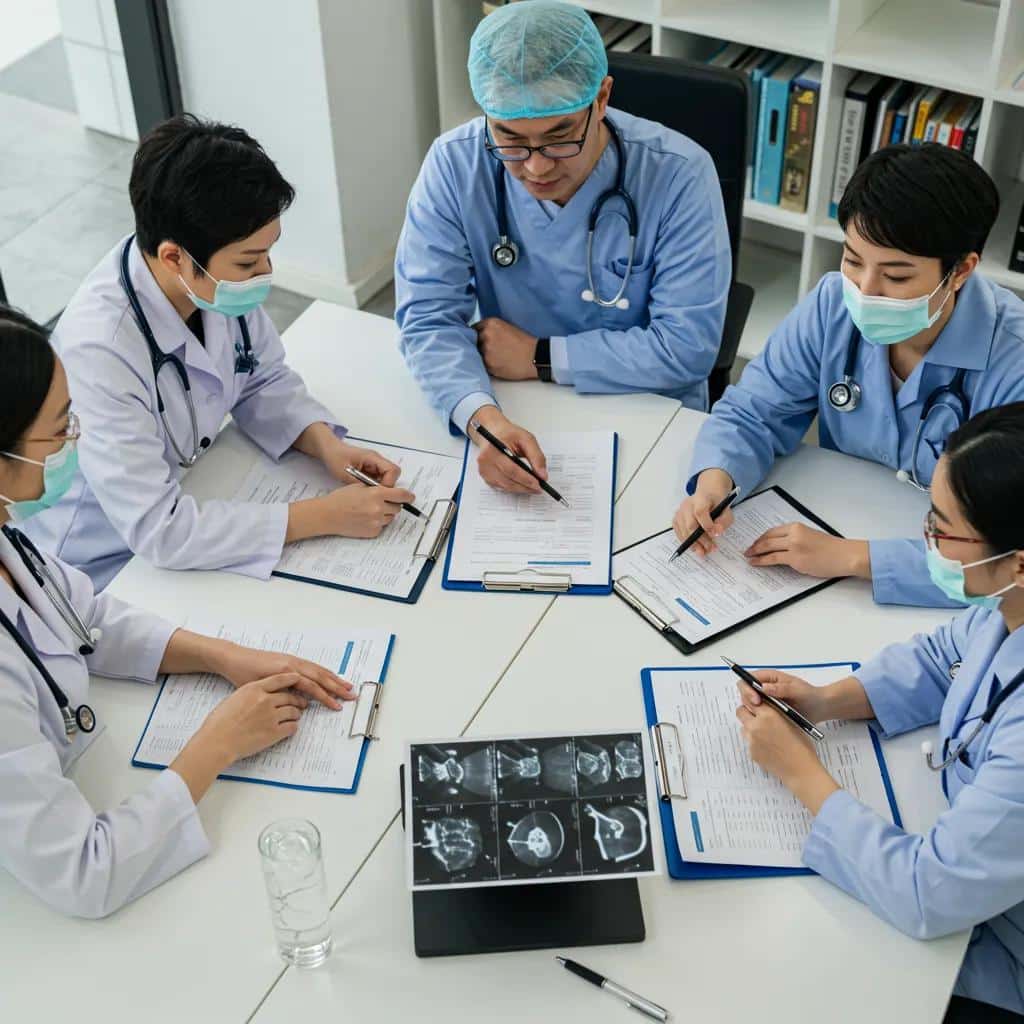
A multidisciplinary approach brings together gynecologists, colorectal and urologic surgeons, fertility specialists, pelvic floor physical therapists, and mental health professionals to manage endometriosis comprehensively. This collaborative model addresses both the physical and emotional aspects of the disease, ensuring precise diagnosis and coordinated treatment. Joint surgical planning and staged interventions align care with each patient’s goals—whether pain relief, fertility preservation, or organ function restoration—while minimizing complications and improving long-term outcomes.
What Roles Do Pelvic Pain, Bowel, and Bladder Health Play in Treatment
Endometriosis often affects the pelvic floor, bowel, and bladder, making multidisciplinary input vital for treatment planning. Thorough evaluation using targeted history and imaging helps determine whether colorectal or urologic surgeons should be involved. When deep lesions invade the bowel or bladder, combined procedures performed by specialized teams reduce surgical risk and improve function. Coordinated care also ensures postoperative rehabilitation targets residual pelvic floor dysfunction and supports recovery.
How Is Emotional Well-Being Addressed in Endometriosis Care
Chronic pain and fertility challenges can take a significant emotional toll. Integrating mental health care—through counseling, cognitive behavioral therapy, or support groups—helps patients build coping strategies and maintain treatment adherence. Regular mental health screening before and after surgery allows timely referral to appropriate professionals. Addressing emotional well-being alongside physical treatment leads to stronger, longer-lasting improvements in quality of life.
What Are the Benefits of Combining Surgery with Other Therapies
Combining excision surgery with pelvic physical therapy, hormonal management, fertility support, and psychological care produces the most durable results. Surgery removes the anatomical disease, while adjunctive therapies manage inflammation, restore muscular balance, and reduce recurrence risk. Fertility planning can also be seamlessly integrated after recovery. This coordinated approach supports both immediate symptom relief and long-term functional recovery.
Key benefits of integrated therapy include:
- Enhanced functional outcomes when pelvic rehabilitation follows excision.
- Lower recurrence rates through well-sequenced medical and surgical care.
- Improved fertility outcomes through coordinated reproductive and surgical planning.
Frequently Asked Questions
What is the role of imaging in the diagnosis of endometriosis?
Imaging plays an important role in preoperative planning for endometriosis. Techniques like transvaginal ultrasound and MRI can identify deep infiltrating lesions and endometriomas, helping guide surgical strategies. However, imaging alone cannot confirm endometriosis—it serves as a valuable complement to laparoscopic diagnosis.
What are the potential complications of laparoscopic surgery for endometriosis?
Laparoscopic surgery is generally safe, but potential risks include bleeding, infection, and injury to nearby organs such as the bladder or bowel. Adhesions can also develop after surgery, occasionally leading to chronic pain or future complications. Discussing these risks with your surgical team helps ensure preventive measures are in place and appropriate follow-up care is planned.
How does recovery differ between excision and ablation?
Recovery after excision may take slightly longer since it involves complete lesion removal, while ablation is a quicker procedure that treats surface tissue. Though ablation may allow a faster return to normal activities, excision typically offers longer-lasting pain relief and lower recurrence rates.
What factors influence the success of laparoscopic excision surgery?
Outcomes depend on factors such as the extent and type of disease, the surgeon’s experience, and patient-specific elements like age, overall health, and fertility goals. Comprehensive preoperative planning, including imaging and multidisciplinary consultations, helps improve both symptom relief and fertility outcomes.
How can patients manage expectations about pain relief after surgery?
While most patients experience meaningful pain reduction after laparoscopic surgery, results can vary. The extent of endometriosis and completeness of excision influence outcomes. Open discussions with your care team about recovery goals, possible recurrence, and supportive therapies like pelvic floor physical therapy help set realistic expectations.
Why is follow-up care important after laparoscopic surgery?
Follow-up visits are essential for reviewing pathology results, checking for complications, and monitoring pain levels during recovery. Ongoing evaluations help refine treatment plans and address any new symptoms promptly, ensuring patients receive comprehensive and continuous care.
How does a multidisciplinary approach benefit endometriosis treatment?
Collaborative care that includes gynecology, colorectal surgery, urology, and mental health services provides a more complete treatment plan. This approach addresses both physical and emotional aspects of endometriosis, improving surgical outcomes, symptom management, and overall well-being.
Conclusion
Understanding laparoscopic surgery for endometriosis empowers patients to make informed decisions about diagnosis and treatment. This minimally invasive approach offers lasting pain relief, improved fertility outcomes, and a faster recovery process—making it the gold standard for managing endometriosis. We cover this further in How Laparoscopic Surgery Transforms Endometriosis Treatment.
At Endo Excellence Center, patients receive specialized, multidisciplinary care tailored to their needs—from diagnosis through recovery. Schedule your consultation today to take the first step toward long-term relief and restored quality of life.