
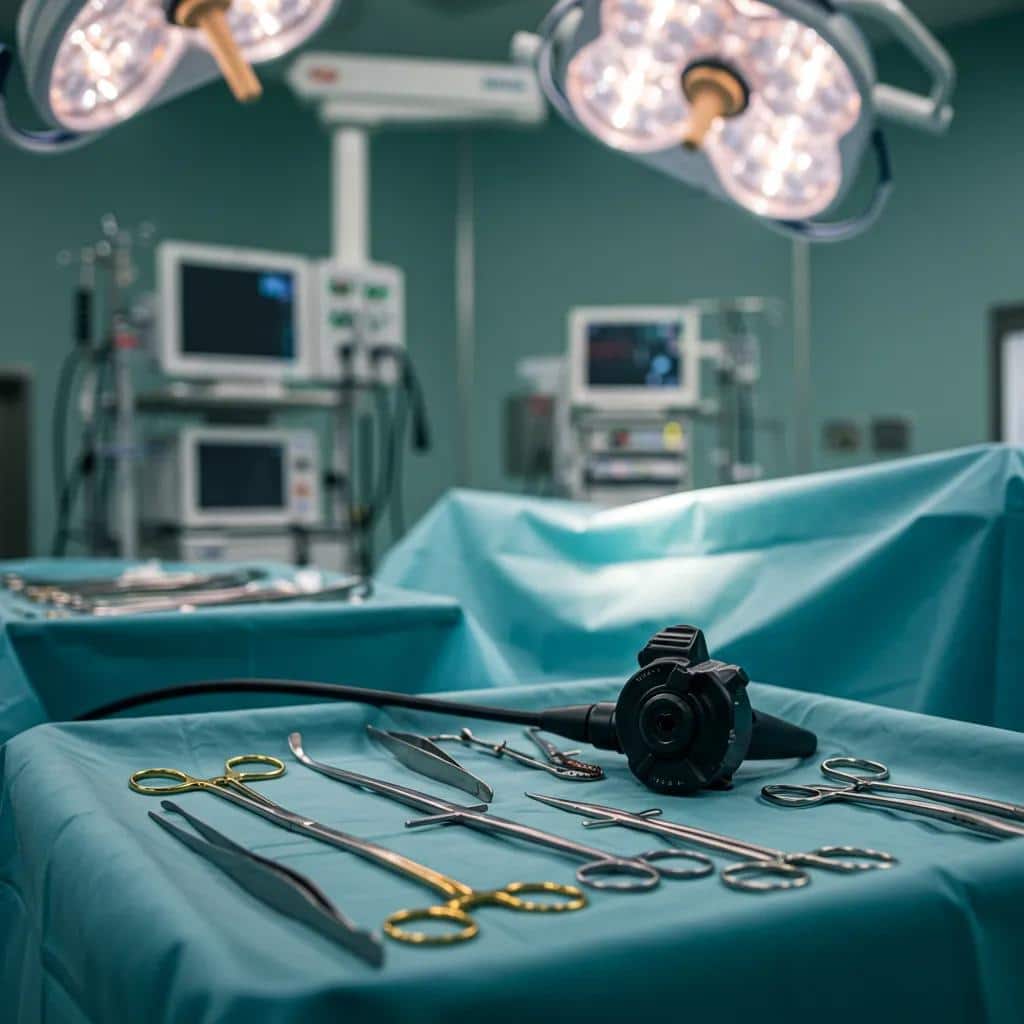
Laparoscopy is a minimally invasive technique that allows precise diagnosis and treatment of endometriosis with smaller incisions, faster recovery, and less postoperative pain than traditional surgery. However, understanding the potential risks and recovery process is essential for making informed decisions about your care.
This guide explains the possible complications associated with different types of laparoscopic procedures, such as diagnostic laparoscopy, excision surgery, ablation, and robotic-assisted approaches, and how these risks vary based on disease severity and surgical complexity. It also outlines what to expect during recovery, including common side effects, normal healing milestones, and symptoms that may require medical attention.
For those considering endometriosis excision surgery, concerns about organ injury, adhesions, infection, or fertility impact are natural. Here, you’ll find clear, evidence-based insights into realistic risk ranges, practical recovery timelines, and proven strategies to minimize complications, helping you feel informed and confident at every stage of your treatment journey.
What Are the Common Complications of Laparoscopy for Endometriosis?
Common complications following endometriosis laparoscopy encompass both immediate intraoperative events and early postoperative issues. Understanding how these arise helps patients better appreciate prevention and management strategies. Intraoperative complications can stem from trocar insertion, insufflation with CO₂, lesion dissection, and anesthesia-related factors, potentially leading to organ injury (bowel, bladder, ureter), bleeding, or cardiopulmonary events during the procedure.
Postoperative complications more frequently involve infection, ileus (a temporary slowing of bowel function), deep vein thrombosis (DVT), or persistent pain stemming from adhesions or residual disease. Recognizing these promptly is crucial for timely intervention and a positive prognosis. Differentiating between immediate and delayed risks supports informed shared decision-making regarding the surgical approach and the surgeon’s expertise, which in turn influences how excision-specific risks compare to those of ablation and diagnostic laparoscopy.
Which complications occur during endometriosis laparoscopy surgery?
Intraoperative complications during endometriosis laparoscopy often involve injury to organs, significant bleeding, and anesthesia-related events. These can occur due to the close proximity of vital structures and distorted anatomy caused by prior disease or adhesions. Injuries to the bowel, bladder, or ureter can happen when dense endometriotic implants invade or adhere to organ surfaces. Vascular injury or major bleeding might arise during deep dissection or trocar placement.
Surgeons employ visual inspection, careful trocar insertion techniques, and ureteral identification methods to mitigate these risks. In cases of significant injury, immediate intraoperative repair or conversion to an open surgical procedure may be necessary. Understanding these mechanisms helps patients appreciate why prior surgeries, advanced disease stages, and surgeon experience can modify intraoperative risk and inform preoperative planning.
What are the typical postoperative side effects after endometriosis surgery?
Expected postoperative side effects typically include discomfort at the incision sites, referred shoulder pain from CO₂ insufflation, temporary nausea related to anesthesia, and mild urinary frequency or constipation. These symptoms usually subside within days to a few weeks with conservative management. Effective short-term pain control using multimodal analgesia, early mobilization, antiemetics, and stool softeners aids recovery while helping to distinguish normal symptoms from complications requiring further evaluation.
Persistent severe pain, fever, worsening abdominal distension, inability to tolerate oral intake, or new urinary retention should prompt a clinical reassessment, as these could indicate infection, ileus, or an unrecognized organ injury. Distinguishing routine side effects from critical red flags guides timely escalation of care and naturally leads to discussions about the frequency of complications in endometriosis laparoscopy.
What Are the Risks of Endometriosis Excision Surgery?

Excision surgery involves the precise removal of visible endometriotic tissue through sharp dissection of lesions. While this approach can lead to improved disease clearance, it also increases technical complexity and introduces specific risks related to deeper tissue dissection. The mechanism of full-thickness removal of implants, as opposed to superficial ablation, heightens exposure of surrounding organs and nerves.
This can result in longer operative times, increased blood loss, and a greater likelihood of organ or nerve injury, particularly when disease is situated near the bowel, bladder, or ureters. These trade-offs can influence recurrence rates, functional outcomes, and fertility implications, making them important considerations when choosing between excision, ablation, or conservative diagnostic approaches. Comparing these specific approaches clarifies why excision is often the preferred method in certain clinical scenarios, despite its higher technical demands.
How does excision surgery differ in risk from other endometriosis surgeries?
Excision surgery distinguishes itself from ablation and diagnostic laparoscopy by removing tissue down to healthy planes, rather than merely coagulating lesions superficially. This fundamental difference explains both its potential for superior symptomatic relief and its inherently higher procedural risk. Ablation may carry a lower immediate risk of organ injury because it targets surface implants, but it can leave behind residual disease that may contribute to recurrence.
Diagnostic laparoscopy, while the least invasive, offers no therapeutic removal. Surgeons must carefully balance the completeness of disease removal against the associated risks, employing meticulous dissection techniques, judicious energy modality selection, and multidisciplinary teams when vital structures are involved. This careful weighing of benefits and harms guides the choice of procedure, whether the primary goals are fertility enhancement or pain management.
This comparison underscores that opting for excision often aims to reduce recurrence and improve fertility prospects, but it necessitates diligent mitigation strategies. This leads us to consider the long-term complications that can potentially follow excision surgery. You may also find Assess Your Endometriosis: When to Consider Advanced Surgery helpful.
What are the potential long-term complications after excision surgery?
Long-term complications that can arise after excision surgery include the formation of adhesions, chronic pelvic pain, altered bowel or bladder function, and the possibility of disease recurrence even after thorough removal. These outcomes are influenced by the extent of the disease and the surgical technique employed. Adhesions can develop as the peritoneum heals following dissection and may lead to chronic pain or infertility. Prevention strategies involve gentle tissue handling and, in some instances, the use of adhesion barriers.
Functional consequences, such as changes in bowel habits or urinary symptoms, might reflect nerve irritation during dissection or ongoing disease activity. Multidisciplinary rehabilitation or targeted therapies can be beneficial in managing these issues. Awareness of these potential long-term effects helps patients weigh the trade-offs for their quality of life and plan for appropriate follow-up care to monitor and manage late-occurring consequences.
Can excision surgery cause damage to surrounding organs?
Yes, it can. Because excision frequently involves sharp dissection in close proximity to the bowel, bladder, ureters, and blood vessels, the most significant risk is direct organ injury. Such injuries may be identified and repaired during the operation or may manifest later if not detected at the time of surgery. Typical mechanisms include accidental penetration during dissection, thermal injury from energy devices, or traction injuries to nerves, which can result in neuropathic pain or dysfunction. Intraoperative recognition allows for immediate repair and generally leads to better outcomes. Delayed presentations, such as urinary leaks, peritonitis, or fistulas, require prompt diagnostic imaging and often necessitate further intervention. Understanding these mechanisms highlights the critical importance of selecting an experienced surgical team and implementing appropriate intraoperative precautions to minimize the likelihood of undetected injury.
How Can Endometriosis Surgery Side Effects Affect Recovery?
The side effects and complications experienced after endometriosis surgery can influence the recovery trajectory by prolonging pain, delaying the return to normal activities, and occasionally requiring additional procedures. Understanding typical recovery timelines helps patients plan effectively for rehabilitation. Recovery considerations include immediate postoperative care, the expected timeframe for common side effects to improve, and identifying deviations from normal healing that might indicate a complication and extend recovery. Rehabilitation strategies, such as graded activity progression, pelvic floor therapy, and multimodal analgesia, can enhance functional outcomes and reduce the risk of developing chronic pain. Recognizing early complications that impact recovery enables timely intervention and prevents avoidable delays in returning to usual activities and pursuing fertility plans.
What are common recovery complications after laparoscopy for endometriosis?
Common recovery complications that can prolong healing include postoperative infection, ileus (a temporary slowing of bowel function), wound complications, deep vein thrombosis (DVT), and persistent or worsening pelvic pain, which may suggest residual disease or adhesions. Management is tailored to the specific complication: infections typically respond to antibiotics and drainage if an abscess is present; ileus usually resolves with bowel rest and supportive care; and persistent pain may require diagnostic imaging, referral to a pain specialist, or further surgical evaluation. Early recognition and intervention, such as prompt antibiotic administration for infection or anticoagulation for suspected DVT, can shorten recovery time and reduce long-term sequelae. These common recovery issues directly inform the expected timelines for returning to activity when recovery proceeds without complications.
How long does recovery take after endometriosis laparoscopy?
Recovery timelines can vary significantly based on the extent of the procedure. Diagnostic laparoscopy often allows a return to light activities within a few days and resuming work within 1–2 weeks. For limited excision procedures, a return to most activities may require 2–4 weeks, while extensive excision or bowel surgery could necessitate 6–12 weeks or longer for complete recovery.
Early milestones typically include walking on the day of surgery, gradually increasing activity over the first two weeks, resuming work depending on job demands within 2–6 weeks, and returning to sexual activity once healing and comfort permit, commonly around 4–6 weeks. Factors that may lengthen recovery include additional organ repair, postoperative complications, pre-existing health conditions (comorbidities), and inadequate pain control. Structured rehabilitation programs and scheduled follow-up appointments are crucial for monitoring recovery progress and identifying any deviations early.
What symptoms indicate complications during recovery?
Symptoms that signal potential complications during recovery include a fever exceeding 38°C (100.4°F), increasing abdominal pain that is not alleviated by prescribed pain medication, heavy vaginal bleeding, persistent vomiting or inability to tolerate liquids, severe shortness of breath or leg swelling, and new-onset urinary retention or difficulty voiding. These red-flag symptoms can indicate infection, hemorrhage, pulmonary embolism, DVT, or organ injury and warrant immediate medical evaluation. When such symptoms arise, patients should seek prompt clinical assessment or emergency care, depending on the severity. Providing details about the surgery, medications, and the timeline of symptom onset will expedite triage and ensure appropriate management. Establishing clear thresholds for action helps reduce delays in care and improve outcomes following surgery.
What Are the Long-Term Complications of Endometriosis Surgery?
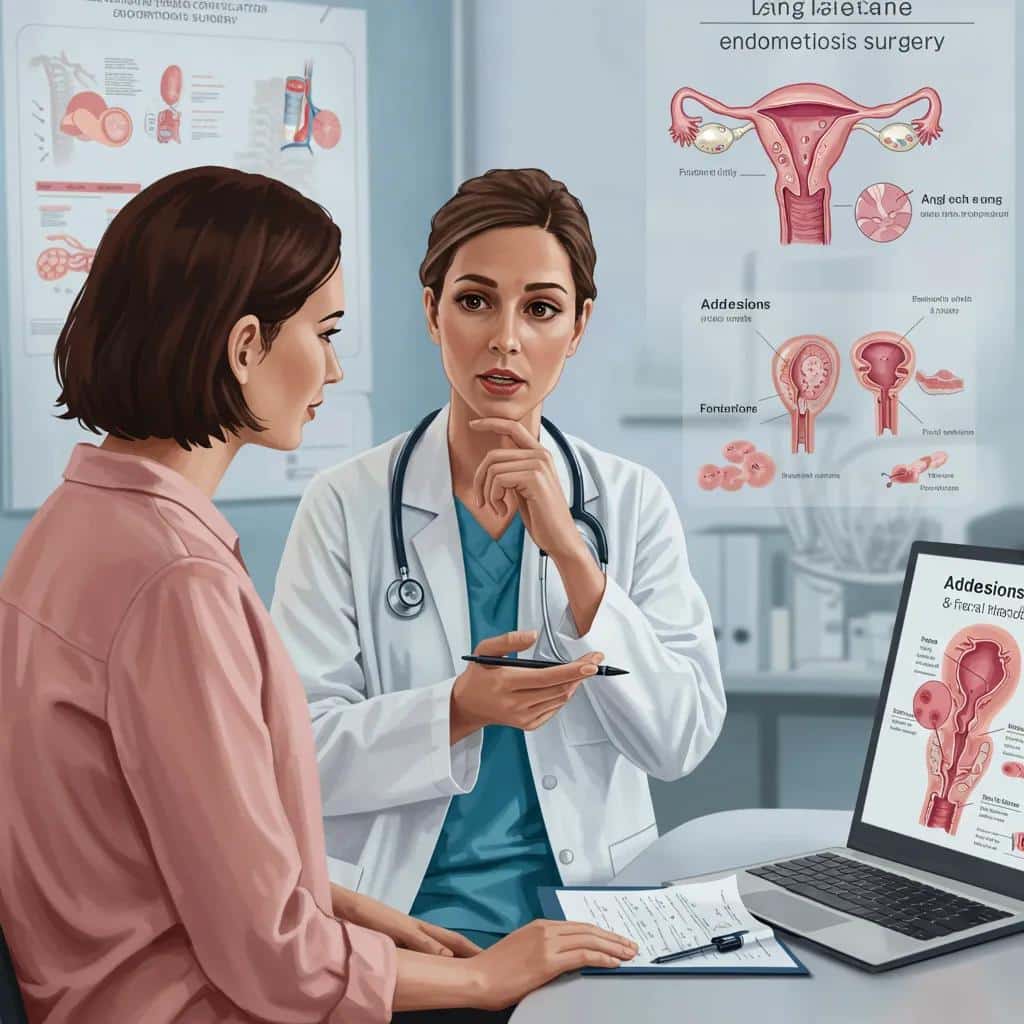
Long-term complications following endometriosis surgery can include adhesions, disease recurrence, impacts on fertility and pelvic organ function, and chronic pelvic pain. These outcomes are influenced by the stage of the disease, the completeness of the surgical removal, and the postoperative management strategies employed. Adhesions can form during the healing process and may lead to chronic pain or infertility. Recurrence of endometriosis is possible even after technically adequate surgery, influenced by residual microscopic disease and individual biological factors.
While surgical removal of endometriosis can improve fertility for many patients, particularly when disease burden or endometriomas impair ovulatory function or tubal patency, certain procedures (such as ovarian cystectomy) may reduce ovarian reserve if healthy ovarian tissue is removed. Pelvic function outcomes related to the bowel and bladder depend on whether these organs were involved and the extent of dissection or repair. Nerve-sparing techniques and multidisciplinary teams aim to preserve function. Fertility counseling prior to surgery, consideration of fertility-sparing strategies, and referral to reproductive specialists when appropriate ensure that surgical planning aligns with long-term reproductive goals and the preservation of pelvic function.
Can endometriosis surgery cause adhesions or scar tissue?
Adhesions, which are bands of scar tissue that can cause peritoneal surfaces to stick together, can form during the healing process after dissection or cautery. They are often associated with prior surgeries, infection, and extensive tissue handling. The clinical impact of adhesions ranges from being asymptomatic to causing chronic pain or infertility. Prevention strategies include gentle tissue handling, minimizing tissue desiccation, judicious use of adhesion prevention agents, and employing minimally invasive techniques when appropriate. Management options for symptomatic adhesions include laparoscopic adhesiolysis, coupled with careful counseling regarding the risk of recurrence. Recognizing the potential for adhesion formation preoperatively helps patients weigh the surgical benefits against potential long-term effects and informs postoperative strategies aimed at reducing adhesion development.
What is the risk of endometriosis recurrence after laparoscopy?
Recurrence rates following laparoscopy for endometriosis can vary depending on the type of procedure and the stage of the disease. Many studies report symptomatic recurrence rates in the range of 20%–40% over several years. More complete excision procedures tend to be associated with lower recurrence rates compared to superficial ablation. Factors that may increase the risk of recurrence include younger age, deep infiltrating disease, incomplete excision, and the absence of postoperative medical suppression when indicated. Adjuvant hormonal therapy can effectively lower symptomatic recurrence in many patients. Long-term follow-up and individualized management plans, balancing fertility goals with symptom control, are essential for managing recurrence risk and guiding decisions about repeat surgery or medical management.
How does surgery impact fertility and pelvic function long term?
Surgical removal of endometriosis can enhance fertility for a significant number of patients, particularly when the disease burden or the presence of endometriomas interferes with ovulatory function or tubal patency. However, certain surgical procedures, such as ovarian cystectomy, may reduce ovarian reserve if healthy ovarian tissue is inadvertently removed. Long-term outcomes for pelvic function, specifically concerning the bowel and bladder, depend on whether these organs were affected by the endometriosis and the extent of dissection or repair performed. Nerve-sparing surgical techniques and the involvement of multidisciplinary teams are crucial for preserving function. Comprehensive fertility counseling before surgery, careful consideration of fertility-sparing strategies, and timely referral to reproductive specialists when appropriate are vital to ensure that surgical planning aligns with patients’ long-term reproductive aspirations and the preservation of pelvic function.
How Can Patients Minimize Risks Before and After Laparoscopy for Endometriosis?
Patients can actively minimize the risks associated with laparoscopy for endometriosis through diligent preoperative optimization, careful selection of their surgeon and treatment center, and strict adherence to detailed postoperative care plans. These proactive steps are instrumental in reducing the likelihood of complications and accelerating the recovery process. Preoperative measures include undergoing a comprehensive medical evaluation, appropriate diagnostic imaging, reviewing current medications, ceasing smoking, and seeking fertility counseling when relevant. Intraoperative considerations focus on surgeon expertise and the availability of multidisciplinary support for complex cases. Postoperative measures encompass meticulous wound care, effective pain management, early mobilization, DVT prevention strategies, and scheduled follow-up appointments to detect complications early. Implementing these steps as a coordinated checklist empowers patients and helps align expectations for safer and more successful outcomes. Read more in How Laparoscopy Assists in Diagnosing Endometriosis.
- Thorough medical evaluation: Provide your surgical team with your complete surgical and medical history, prior imaging results, and a current list of all medications.
- Medication adjustments: Follow your doctor’s instructions precisely regarding the cessation or adjustment of anticoagulants and NSAIDs, and review any hormonal treatments before surgery.
- Lifestyle optimization: Commit to quitting smoking, maintaining a healthy weight, and addressing any anemia or other underlying health conditions prior to your procedure.
- Surgical planning: Confirm the planned surgical approach, the potential need for a multidisciplinary team, and ensure a clear understanding of the risks involved and any fertility considerations.
- Postoperative plan: Arrange for transportation home, schedule adequate rest periods, understand your pain control regimen, plan for early ambulation, and confirm your scheduled follow-up appointments.
This structured checklist assists patients in preparing practically and emotionally for surgery. For specialized preoperative evaluation and personalized surgical planning, many patients choose to consult a dedicated endometriosis resource, such as this website, for additional guidance and to explore appointment options. Read more in What You Need to Know About Menopause Endometriosis Surgery.
What preoperative steps reduce laparoscopy complications?
Preoperative steps that effectively lower surgical risk include obtaining targeted imaging to precisely map the extent of the disease, optimizing the management of chronic health conditions, discontinuing smoking, assessing and correcting any anemia, and engaging in an informed consent discussion that thoroughly covers specific risks based on the disease’s anatomical location and the patient’s fertility goals. Discussing previous surgeries and any existing bowel or urinary symptoms helps the surgeon anticipate potential adhesions or organ involvement and plan for necessary multidisciplinary support. Clear preoperative communication regarding medications, especially anticoagulants and hormonal therapies, is crucial for reducing bleeding and anesthesia-related risks. Fertility planning discussions clarify whether fertility-sparing strategies should be prioritized. These comprehensive preparations lay the groundwork for a safer intraoperative course and a more rapid postoperative recovery.
How should patients manage postoperative care to avoid side effects?
Effective postoperative care aimed at minimizing side effects includes adhering to a multimodal pain management plan, engaging in early and frequent ambulation to reduce the risk of DVT, diligent wound care to prevent infection, gradually progressing diet to prevent ileus, and using stool softeners to avoid straining. These interventions collectively help mitigate common complications. Pain control, utilizing scheduled non-opioid analgesics supplemented by short-term opioids as needed, along with non-pharmacologic measures like heat application and gentle activity, supports faster functional recovery. Scheduling early follow-up visits ensures that wounds and symptoms are properly evaluated, and any deviation from expected healing is promptly identified. Providing clear instructions on when to resume sexual activity and return to work reduces uncertainty and promotes a safer recovery.
When should patients contact their doctor about possible complications?
Patients should contact their surgeon or seek urgent medical attention for red-flag symptoms such as a high fever, uncontrolled or worsening abdominal pain, heavy or unexpected bleeding, persistent vomiting, difficulty breathing, swelling or pain in a leg, or inability to urinate. These signs can indicate serious issues like infection, hemorrhage, pulmonary embolism, DVT, or organ injury. For less severe concerns, such as increasing but tolerable pain or mild wound redness, contacting the clinic for same-day advice is appropriate. Having documentation of symptoms, vital signs, and the timeline of events readily available will help expedite triage and ensure timely management. Establishing clear thresholds for emergency versus routine contact improves outcomes by prioritizing critical presentations while allowing for timely clinic-based evaluation of non-emergent issues.
What Are the Alternatives to Laparoscopy for Endometriosis Treatment?

Non-surgical treatment options for endometriosis include hormonal therapy, pain management, and conservative lifestyle-based approaches. These methods aim to control symptoms and slow disease progression without surgery. Common medical therapies include combined oral contraceptives, progestins, GnRH modulators, and the levonorgestrel intrauterine device (LNG-IUD). Each option carries distinct benefits and side effects that should be evaluated based on individual goals,such as pain control, fertility preservation, or hormonal tolerance.
While non-surgical treatments avoid the operative risks of laparoscopy, such as bleeding or organ injury, they can cause hormonal side effects or offer limited relief for structural disease. Potential issues include changes in mood or menstrual patterns, bone density loss with prolonged GnRH use, and incomplete symptom resolution. Shared decision-making between patients and their care team is key to determining whether medical therapy, surgery, or a combined approach is most appropriate. Specialized centers often provide integrated, multimodal care that combines these therapies into personalized treatment plans.
This table highlights the trade-offs between non-surgical and surgical approaches, helping patients compare relative risks and outcomes.
How Do Non-Surgical Treatments Compare in Risk to Laparoscopy?
Non-surgical therapies typically carry lower immediate risks because they avoid anesthesia and surgical complications. However, they cannot correct anatomical distortion or provide a tissue diagnosis. Hormonal therapies may cause temporary menopause-like symptoms, mood changes, or long-term effects on bone density, requiring regular monitoring.
Laparoscopy, while involving procedural risks, offers the unique advantage of directly diagnosing and removing endometriotic tissue. It can relieve pain, restore pelvic anatomy, and improve fertility outcomes that medical therapy alone may not achieve. A balanced discussion of these trade-offs allows patients to make well-informed, individualized treatment decisions. For more detail, see our article How Accurate Is Laparoscopy for Diagnosing Endometriosis.
When Is Laparoscopy Recommended Over Other Treatments?
Laparoscopy is generally recommended when medical therapy fails to provide adequate symptom relief, when a definitive diagnosis is required, or when structural correction, such as removing endometriomas or releasing adhesions, is necessary to improve fertility or protect organ function.
Specific indications include:
- Persistent or disabling pelvic pain despite optimized medical management
- Suspected ovarian endometriomas affecting ovarian reserve
- Symptoms suggesting bowel or urinary tract involvement
- Infertility with evidence of structural abnormalities
The decision to proceed with surgery should also reflect patient preferences, reproductive goals, and access to an experienced surgical team. Collaborative discussions ensure that treatment aligns with both medical needs and long-term health objectives.
What Are the Signs of Serious Laparoscopy Complications in Endometriosis Patients?
Recognizing serious complications after laparoscopy for endometriosis requires vigilance for signs of infection, bleeding, neurological changes, and other acute systemic issues. Prompt action is critical for improving outcomes. Serious warning signs include high fever, severe and unrelenting abdominal pain, fainting or lightheadedness, heavy vaginal bleeding, sudden shortness of breath, or new neurological deficits such as numbness or weakness. For more detail, see our article Laparoscopy: Pathway to Improved Endometriosis Outcomes.
Knowing when to seek urgent evaluation versus scheduling a routine follow-up appointment is essential for prioritizing care and preventing delays in diagnosing organ injury, sepsis, pulmonary embolism, or significant neurological damage. The specific presentations of infection, bleeding, and nerve damage are outlined below, along with immediate action steps to guide patients.
How to recognize infection or bleeding after surgery?
Signs of infection typically include fever, increasing redness or warmth at the incision sites, purulent drainage, pelvic or abdominal pain, and an elevated heart rate. A pelvic abscess may present with persistent fever and a general feeling of malaise. Indicators of significant bleeding include heavy vaginal bleeding, increasing abdominal distension, lightheadedness, rapid heart rate (tachycardia), or a drop in blood pressure, which can suggest active intra-abdominal bleeding or the formation of a hematoma.
Initial at-home measures should include resting, avoiding NSAIDs if bleeding is suspected until medically assessed, and seeking urgent medical evaluation. Having recent surgical details and a list of current medications readily available will improve the efficiency of triage and expedite appropriate management. These signs of infection and bleeding naturally lead to consideration of neurological symptoms that might indicate nerve damage.
What neurological symptoms may indicate nerve damage?
Neurological symptoms following pelvic surgery that warrant concern include new-onset numbness or tingling sensations in the legs or groin area, muscle weakness, persistent neuropathic pelvic pain, and bowel or bladder dysfunction such as urinary retention or incontinence. These symptoms may indicate traction or thermal injury to nerves during surgery.
The timing of symptom onset is important: acute, severe deficits often suggest significant intraoperative injury, while delayed neuropathic pain can be indicative of inflammation or scarring affecting the nerves. Early referral to neurology, pain management specialists, or pelvic rehabilitation therapists can significantly improve outcomes.
Assessment typically involves a thorough clinical examination, diagnostic imaging if indicated, and electrodiagnostic testing. Rehabilitation therapies and pain-focused interventions are key components of recovery and prognosis.
When is emergency care necessary after endometriosis laparoscopy?
Emergency care is essential for absolute indicators such as high fever accompanied by chills and low blood pressure (hypotension), uncontrolled heavy bleeding, sudden severe abdominal pain with syncope (fainting), respiratory distress, or clear signs of sepsis or organ perforation.
These critical situations demand immediate evaluation in an emergency department or by emergency medical services. When emergency care is required, it is vital to provide clinicians with precise details about the recent surgery, all medications taken, and the timeline of symptom development to facilitate rapid diagnosis and management.
Emergency teams will coordinate with your surgical team for necessary imaging, resuscitation efforts, and potential reoperation. For urgent but non-emergent concerns—such as a moderate fever or progressively worsening pain—promptly contacting your surgical clinic allows for expedited outpatient or same-day assessment.
If you require urgent appointment scheduling or guidance for acute postoperative symptoms, consider reaching out to a dedicated endometriosis resource, such as the one provided on this website, for information on accessing specialist evaluation and rapid-care pathways.
Frequently Asked Questions
What should I expect during the recovery process after laparoscopy for endometriosis?
Recovery depends on the complexity of your procedure. Mild discomfort, fatigue, or shoulder pain from gas used during surgery are common and typically improve within a few days. Most patients can resume light activities within a week, though more extensive procedures may require 2–6 weeks for full recovery. Following your surgeon’s postoperative instructions and attending all follow-up appointments are essential to ensure proper healing and address any concerns early.
How can I prepare for a laparoscopy procedure for endometriosis?
Preparation involves several key steps to reduce risks and promote a smoother recovery. Provide your surgical team with a complete medical history, including all current medications, and follow their guidance on adjusting or pausing certain drugs before surgery. Lifestyle adjustments—such as quitting smoking, improving nutrition, and managing chronic conditions—can enhance surgical outcomes. Understanding the procedure, its potential risks, and expected recovery timeline through open discussion with your provider helps you feel informed and prepared.
What are the signs of complications I should watch for after surgery?
Be alert for symptoms that may indicate complications, including a high fever, worsening abdominal pain unrelieved by medication, heavy vaginal bleeding, persistent vomiting, or difficulty breathing. These signs can suggest infection, internal bleeding, or organ injury and require immediate medical attention. Prompt evaluation and treatment can prevent serious outcomes and support a safer recovery.
How does the choice of surgical approach affect recovery and outcomes?
The type of laparoscopy—excision, ablation, or diagnostic—can significantly influence recovery time and long-term results. Excision surgery, though more complex, often provides better symptom relief and lower recurrence rates. Ablation may involve fewer short-term risks but has a higher chance of residual disease. Discussing these distinctions with your surgical team ensures your treatment aligns with your health goals and comfort level.
What role does follow-up care play in recovery after laparoscopy?
Follow-up care is essential for tracking your healing progress and managing any emerging issues. These appointments allow your care team to evaluate incision sites, review symptom changes, and adjust pain management or medications as needed. Ongoing communication helps identify complications early and enhances both short-term recovery and long-term results.
Are there any lifestyle changes I should consider after surgery?
Supporting recovery through healthy habits can make a significant difference. Focus on balanced, nutrient-rich meals, adequate hydration, and gentle physical activity as advised. Avoid smoking and prioritize rest and stress reduction. Pelvic floor therapy may be recommended to improve comfort and restore function. Discussing tailored lifestyle strategies with your healthcare provider ensures your plan aligns with your individual recovery needs.
Conclusion
Understanding the recovery process and potential complications of laparoscopy for endometriosis empowers you to make confident, informed decisions about your care. With clear expectations, proactive follow-up, and the guidance of experienced specialists, you can navigate your recovery safely and effectively. For personalized support and comprehensive care, we invite you to explore the specialized resources available through our endometriosis center.