
Endometriosis symptoms like pelvic pain, bloating, and fatigue are often intensified by inflammation in the body. An anti-inflammatory diet offers a practical, natural way to help manage these symptoms alongside medical treatment. By focusing on nutrient-dense, whole foods and avoiding common dietary triggers, individuals can support hormone balance, immune function, and gut health. This approach doesn’t replace expert care—it strengthens it. At the Endometriosis Excellence Center, patients receive comprehensive treatment plans that may include nutrition guidance tailored to their needs. Together, diet and specialized care create a more effective path toward long-term relief.
Key Takeaways
- An anti-inflammatory diet reduces inflammation and supports hormone balance.
- Foods like leafy greens, berries, and fatty fish promote symptom relief.
- Avoiding processed foods, sugars, and trans fats minimizes flare-ups.
- Supplements can enhance diet, especially when professionally guided.
- Personalized care at the Endometriosis Excellence Center may include nutrition support.
What Is an Anti-Inflammatory Diet and How Does It Help Endometriosis?
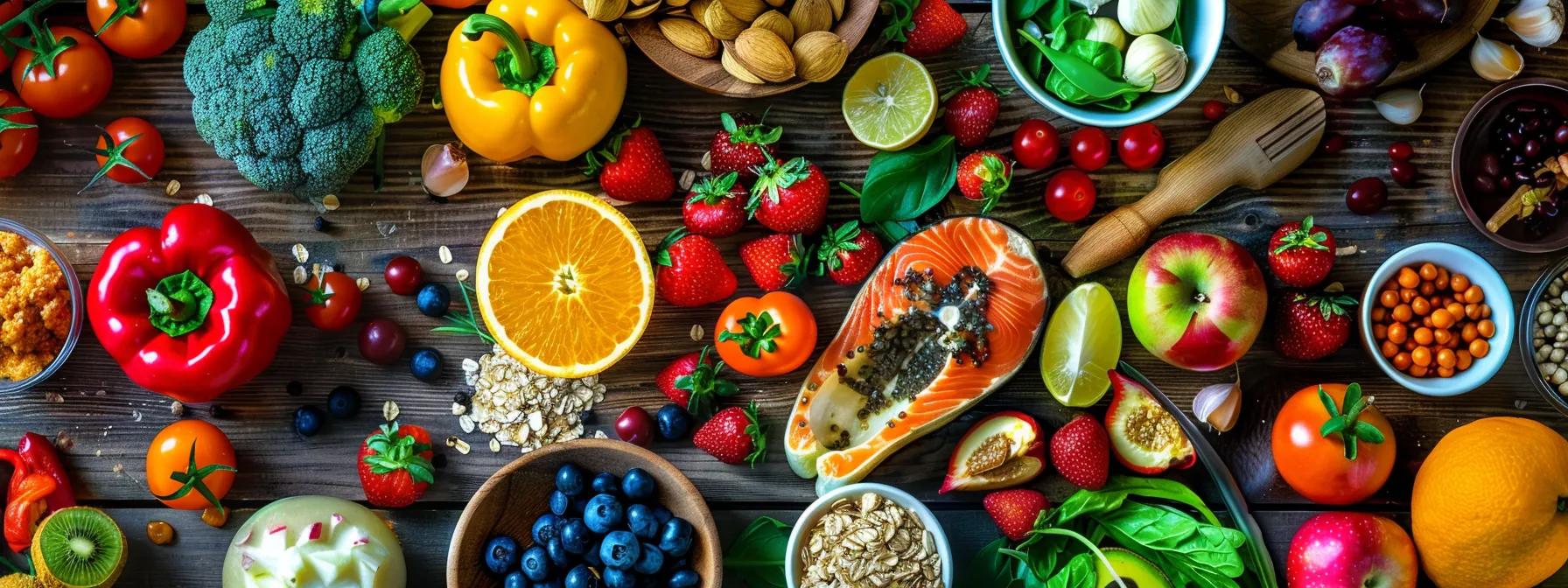
An anti-inflammatory diet can be a valuable tool for managing chronic pelvic pain and hormonal imbalances associated with endometriosis. By focusing on whole, nutrient-dense foods, this approach helps support immune function, stabilize blood sugar, and reduce systemic inflammation. Many individuals experience relief from symptoms such as bloating, fatigue, and discomfort when following this plan. Its effects are especially beneficial when combined with expert care and a multidisciplinary approach. Incorporating this dietary strategy may enhance long-term symptom control.
Which Foods Are Considered Anti-Inflammatory for Endometriosis?
A supportive anti-inflammatory diet includes foods that help calm the immune system and lower inflammation. Omega-3-rich foods such as salmon and walnuts are beneficial for reducing inflammatory responses. Colorful vegetables and fruits like kale, berries, and Swiss chard are packed with antioxidants. Cruciferous vegetables such as broccoli and cauliflower promote hormone balance and cellular repair. These foods work together to lower oxidative stress and reduce the signals that fuel inflammation. When eaten consistently, they support the body’s ability to heal. Their benefits complement surgical and lifestyle treatments. These nutrient-dense options serve as dietary foundations for improved well-being.
How Does Inflammation Affect Endometriosis Symptoms?
Chronic inflammation plays a central role in worsening endometriosis symptoms, particularly pelvic pain and tissue sensitivity. It promotes elevated levels of compounds that aggravate nerve endings and worsen discomfort. This ongoing response can lead to increased scarring, hormonal disruption, and the spread of lesions. The inflammatory environment also places stress on the immune system, making it harder for the body to manage abnormal tissue growth. Addressing inflammation through diet can help break this cycle. Reducing these internal stressors creates a more stable hormonal and immune balance. Over time, this may reduce flare-ups and enhance symptom control.
What Scientific Evidence Supports Anti-Inflammatory Diets for Endometriosis Relief?
Anti-inflammatory diets focus on reducing foods that stimulate immune overactivity and increasing nutrients that regulate internal balance. Natural compounds in ingredients like turmeric and leafy greens help modulate pathways that lead to inflammation. These foods are also rich in antioxidants that protect tissue and support cellular repair. By promoting better hormonal regulation, this dietary approach may ease menstrual symptoms and abdominal discomfort. Though individual results vary, many people report reduced bloating and fatigue when following such diets. These benefits align with broader treatment strategies. Pairing diet with expert care enhances long-term symptom management.
Which Foods Should You Eat and Avoid on an Endometriosis Anti-Inflammatory Diet?
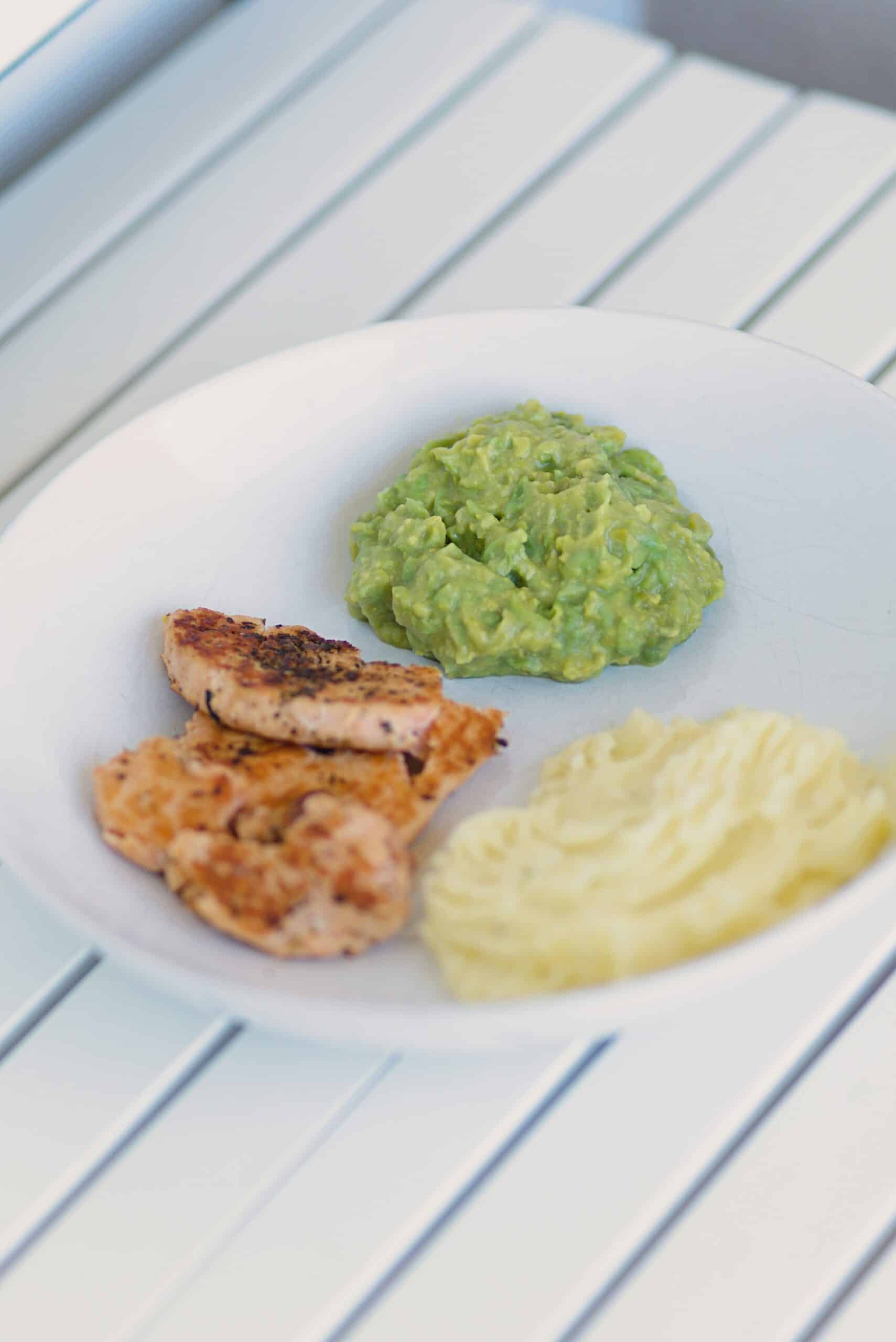
A sound anti-inflammatory diet emphasizes unprocessed, fiber-rich foods while minimizing ingredients that can boost inflammation. Focus on nutrient-dense choices that support hormone regulation, and avoid items known to increase oxidative stress and inflammatory responses.
What Are the Best Anti-Inflammatory Foods for Endometriosis?
The top choices include:
- Fatty Fish – Omega-3 Powerhouse: Salmon, mackerel, and sardines naturally support inflammation regulation and hormone balance.
- Leafy Greens – Antioxidant Rich: Spinach, kale, and Swiss chard provide vitamins and minerals that help reduce oxidative stress.
- Berries – Natural Anti-Inflammatories: Blueberries, strawberries, and raspberries offer flavonoids that lower inflammatory markers.
- Turmeric – Potent Spices: Its curcumin content helps diminish inflammatory processes.
- Nuts and Seeds – Healthy Fats: Almonds, walnuts, flaxseeds, and chia seeds supply essential fatty acids for systemic balance.
Which Foods and Ingredients Can Worsen Endometriosis Symptoms?
Foods that may exacerbate symptoms include:
- Refined Sugars and Processed Carbs: They increase blood sugar and promote inflammation.
- Saturated and Trans Fats: Common in fried foods and processed snacks, these can boost inflammatory cytokines.
- Red and Processed Meats: High in unhealthy fats and additives that may trigger inflammatory responses.
- Gluten and Dairy: For some, these can lead to gastrointestinal discomfort and additional inflammation.
- Alcohol and Caffeine: Overconsumption may disturb hormonal balance and raise stress responses.
How Can You Create an Effective Anti-Inflammatory Meal Plan for Endometriosis?
Creating an effective meal plan starts with focusing on whole, unprocessed foods that reduce inflammation and support hormonal balance. Each meal should combine healthy fats, fiber-rich vegetables, and lean proteins to maintain stable energy. Meal planning also helps minimize reactive ingredients that may worsen symptoms. Incorporating anti-inflammatory herbs and spices adds both flavor and therapeutic benefits. Cooking methods like steaming or baking preserve nutrients. Consistency in eating patterns supports metabolism and overall wellness. A thoughtful diet, paired with expert medical care, creates a strong foundation for managing endometriosis symptoms naturally and effectively.
What Are Sample Meal Ideas and Recipes for Endometriosis Relief?
Anti-inflammatory meals can be delicious and easy to prepare using fresh, whole ingredients. For breakfast, a smoothie bowl with almond milk, spinach, berries, and flaxseeds provides antioxidants and fiber. A quinoa salad with kale, avocado, and cherry tomatoes offers a nutritious lunch option when topped with a lean protein. For dinner, baked salmon paired with sweet potato and steamed broccoli delivers essential fats and anti-inflammatory support. Use olive oil and herbs like turmeric and ginger for added benefits. These meals promote balance, support digestion, and reduce flare-ups. Consistent variety helps maintain nutritional diversity.
How to Incorporate Omega-3 Fatty Acids, Turmeric, and Ginger Into Your Diet?
You can add anti-inflammatory ingredients to meals in simple, sustainable ways. Omega-3-rich foods like salmon, walnuts, and chia seeds can be part of weekly recipes. Turmeric pairs well with soups, rice dishes, and warm drinks when combined with a pinch of black pepper. Ginger enhances flavor in both sweet and savory meals and can be added to tea or stir-fries. Including these ingredients regularly can help reduce inflammation and ease discomfort. They work best when combined with a consistent, nutrient-dense diet. These small additions add up over time. Together, they help support endometriosis relief.
What Supplements Support an Anti-Inflammatory Diet for Endometriosis?
Supplements may help support nutritional needs when whole foods alone aren’t sufficient. Fish oil capsules are a concentrated source of omega-3s that help reduce inflammation. A turmeric supplement, especially one enhanced with black pepper, may offer additional support. Multivitamins with vitamin D, selenium, and zinc help maintain hormonal and immune function. It’s important to consult with a healthcare provider to ensure supplements align with individual care plans. These tools can enhance dietary changes without replacing them. When used thoughtfully, supplements can help strengthen the body’s defenses. Their role is to support—not substitute—whole food choices.
How Does an Anti-Inflammatory Diet Support Overall Endometriosis Symptom Management?

An anti-inflammatory diet works to reduce symptoms by calming the immune system, improving digestion, and promoting hormonal stability. These benefits are especially valuable when paired with targeted medical treatments for endometriosis. Nutrient-dense foods help reduce flare-ups, boost energy, and relieve common discomforts like bloating and fatigue. The diet’s emphasis on whole, unprocessed ingredients helps restore balance in the body. Supporting gut health with fiber-rich meals improves nutrient absorption and overall function. Over time, this approach can lessen the severity of symptoms. It offers a foundation for sustained wellness and better treatment outcomes.
Can Diet Reduce Pelvic Pain, Bloating, and Fatigue in Endometriosis?
Yes, diet can play a key role in reducing everyday symptoms by calming the body’s inflammatory responses. Nutrients from whole foods support healing and reduce tissue irritation, which helps minimize pelvic pain. Antioxidant-rich fruits and vegetables reduce internal stress that contributes to bloating. Complex carbs and healthy fats stabilize energy, lowering fatigue throughout the day. Gut-friendly fiber improves digestion, further easing abdominal pressure. These effects can be enhanced when the diet is followed consistently. When paired with expert care, dietary adjustments make a significant impact. They offer long-term, sustainable symptom relief. For more detail, see our article Endometriosis Care Through Healthy Lifestyle Practices.
How Does Diet Influence Hormones, Gut Health, and Immune Function in Endometriosis?
Food plays an important role in regulating hormone levels and supporting the immune system. Healthy fats help maintain hormonal balance, while fiber promotes estrogen clearance through the digestive system. A diverse, plant-based diet nourishes beneficial gut bacteria that influence immune responses. This balance is essential for reducing chronic inflammation and improving the body’s resilience. Nutrients like zinc, selenium, and vitamin D further support immune health. When these systems function well, symptoms tend to decrease in severity. A consistent diet reinforces the effects of other treatments. Together, they create a more stable internal environment. For more detail, see our article Understanding Food Intolerance and Its Role in Endometriosis.
What Role Does Diet Play Alongside Other Treatments and Lifestyle Changes?
While diet alone cannot replace medical intervention, it strengthens the body’s ability to respond to treatment and maintain symptom control. Anti-inflammatory foods work in harmony with surgical care, physical therapy, and pain management techniques. They reduce the internal triggers that contribute to discomfort and hormonal imbalance. Nutrition also supports recovery and immune resilience, especially after surgery. When combined with lifestyle changes like movement and rest, the benefits multiply. This approach creates a more complete healing strategy. Every element plays a role in improving long-term quality of life for those managing endometriosis.
What Lifestyle Factors Complement an Anti-Inflammatory Diet for Endometriosis Relief?

Combining dietary changes with supportive lifestyle habits can lead to greater symptom relief and improved well-being. Stress management, quality sleep, and physical activity all play important roles in reducing inflammation and hormonal disruption. These practices help regulate the body’s natural healing responses and ease physical tension. Creating a calming routine supports emotional resilience and improves energy. Gentle movement and restorative habits also aid circulation and reduce stiffness. Together, these factors enhance the benefits of an anti-inflammatory diet. This integrated approach is key to comprehensive symptom management for individuals with endometriosis.
How Do Stress Management and Sleep Improve Endometriosis Symptoms?
Stress raises cortisol levels, which can worsen inflammation and intensify symptoms. Managing stress through mindfulness, journaling, or breathing exercises helps restore hormonal balance. Consistent sleep schedules allow the body to repair and reset, supporting immune and nervous system health. Lack of sleep can amplify fatigue and heighten pain sensitivity.
Establishing calming nighttime routines, such as gentle stretching or reducing screen time, improves rest quality. These changes enhance the body’s natural ability to regulate discomfort. A relaxed, well-rested state supports dietary efforts. Together, rest and stress reduction help create a more stable internal environment.
What Exercise and Physical Therapy Are Recommended With Diet Changes?
Gentle, regular exercise promotes circulation, reduces inflammation, and supports muscle health. Activities such as yoga, walking, or light aerobic movement ease pelvic tension and improve flexibility. Pelvic floor physical therapy targets deep muscle groups, helping relieve pain and restore function. These practices can reduce stiffness, support posture, and decrease cramping.
Exercise also enhances mood and energy levels, supporting overall quality of life. When paired with a nutrient-rich diet, movement can accelerate symptom relief. Physical activity should always be adapted to individual needs. Together, these practices promote sustainable improvements in comfort and strength.
How Can Mind-Body Techniques Enhance Diet Benefits for Endometriosis?
Mind-body techniques help lower stress responses that can interfere with healing and hormonal regulation. Practices like meditation, visualization, and deep breathing calm the nervous system and reduce internal pressure. These methods support digestive health and immune resilience by creating a more balanced environment.
Pairing these approaches with a healthy diet boosts the effectiveness of both. Reduced tension allows the body to better absorb nutrients and manage inflammation. Integrating these tools into daily life enhances symptom stability. The emotional support they provide strengthens the overall treatment plan. Together, they foster physical and mental balance.
Frequently Asked Questions
What exactly is an anti-inflammatory diet for endometriosis?
It’s a way of eating that focuses on whole, unprocessed foods like leafy greens, berries, omega-3-rich fish, and anti-inflammatory spices. These help reduce inflammation, balance hormones, and support gut health—key areas impacted by endometriosis.
Can dietary changes really reduce my endometriosis pain?
Yes, reducing inflammation through diet can ease symptoms like pelvic pain, bloating, and fatigue. While not a cure, it complements medical treatments and creates a more stable internal environment for healing.
Do I need supplements along with my diet?
Supplements like omega-3s, turmeric extract, and vitamin D can help, especially when nutrient needs aren’t fully met through food. At the Endometriosis Excellence Center, recommendations are tailored to your care plan.
How long will it take to see improvements in symptoms?
Many people notice changes within a few weeks of consistent eating, though results vary. When combined with expert care, dietary changes can enhance symptom relief and long-term wellness. To discuss your situation with a specialist, schedule an appointment at our center.
Where can I get professional help with my diet?
Dr. Rachael Haverland’s team at the Endometriosis Excellence Center offers personalized dietary guidance as part of a full treatment plan, helping you manage symptoms through both medical and nutritional support.
Conclusion
Managing endometriosis takes more than symptom masking—it requires a complete, personalized strategy. Integrating an anti-inflammatory diet into your daily routine helps address core triggers like inflammation and hormonal imbalance. When paired with expert surgical and multidisciplinary care, such as that provided by Dr. Rachael Haverland and her team, nutrition becomes a powerful part of healing. Each bite can support a more balanced body, improved energy, and reduced discomfort. For those navigating endometriosis, food is more than fuel—it’s part of the solution. Start with simple changes and build a lifestyle that works with your treatment plan. You may also find Smart Lifestyle Choices for Improved Endometriosis Outcomes helpful.